T = 0.90mm
W = 0.238 Kg/m

A versatile solution with optimal strength and corrosion resistance for various industrial and construction needs. Designed to meet quality standards for excellent structural strength and superior finishing results.
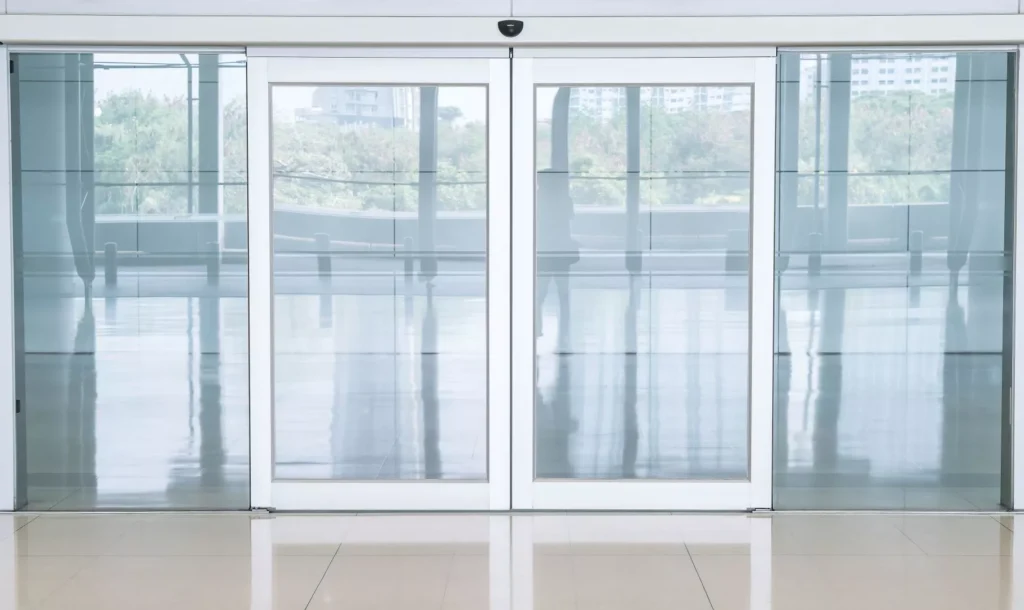
Our top-tier Shop Front 4” x 1¾ system, built with robust 0.90mm thickness for superior durability.
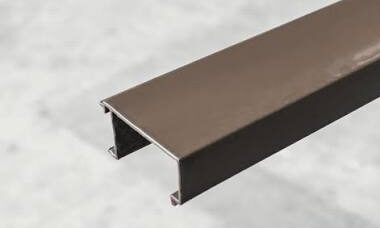
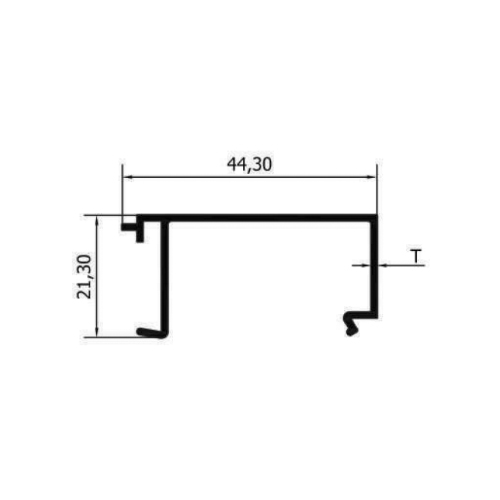
T = 0.90mm
W = 0.238 Kg/m
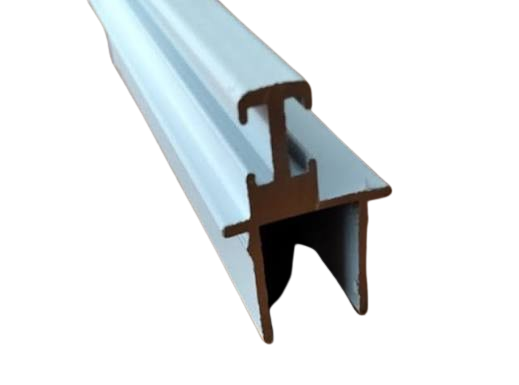
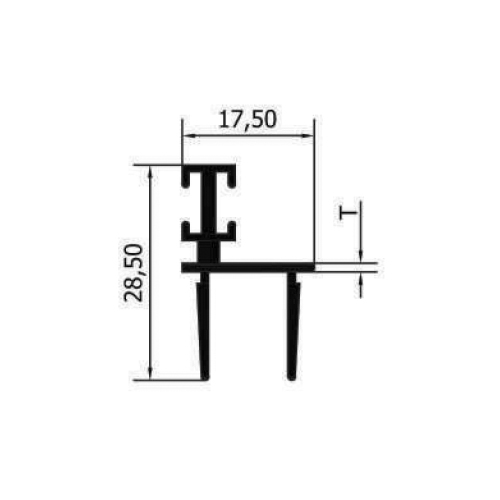
T = 0.90mm
W = 0.262 Kg/m
Our top-tier Shop Front 4” x 1¾ system, built with robust 1.00mm thickness for superior durability.
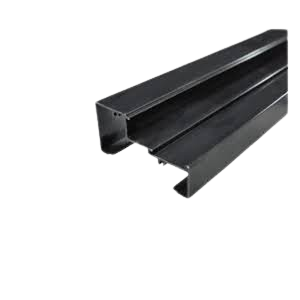
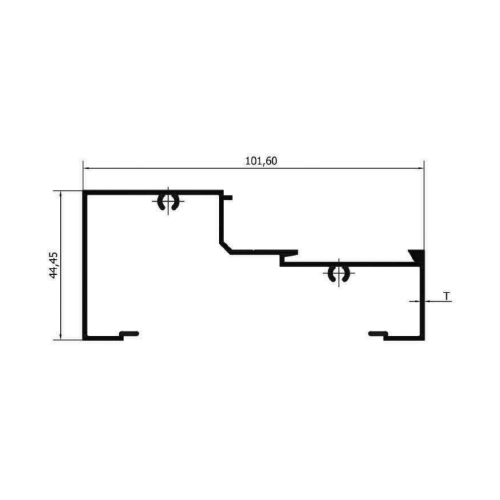
T =1.00mm
W = 0.712 Kg/m
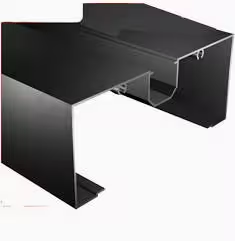
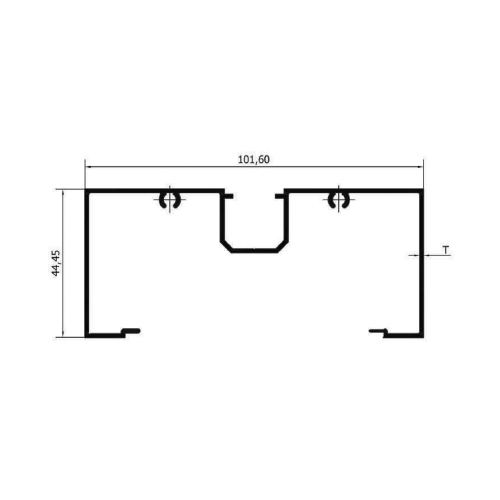
T = 1.00mm
W = 0.763 Kg/m
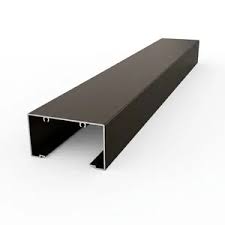
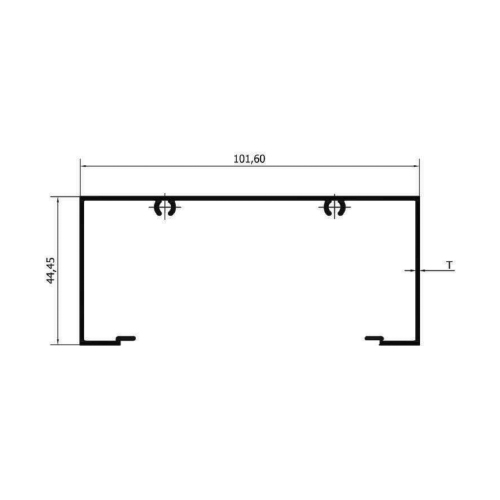
T = 1.00mm
W = 0.660 Kg/m
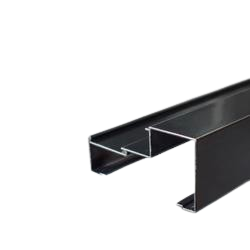
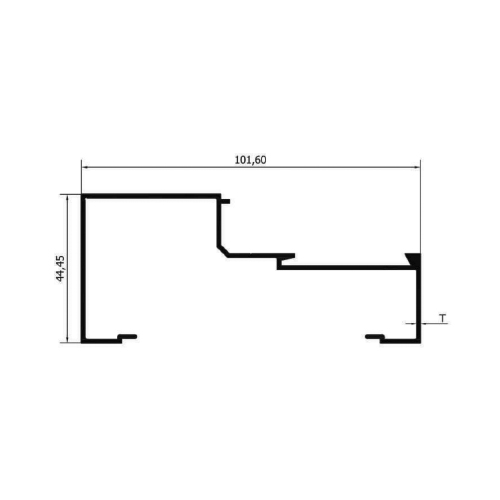
T = 1.00mm
W = 0.654 Kg/m
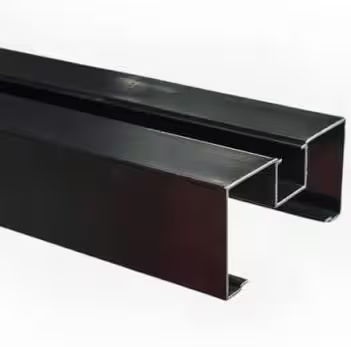
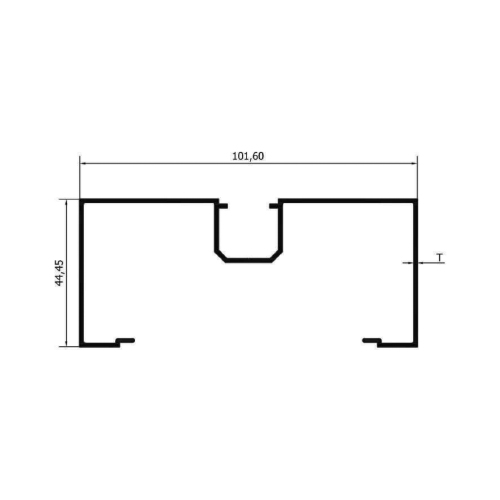
T = 1.00mm
W = 0.705 Kg/m
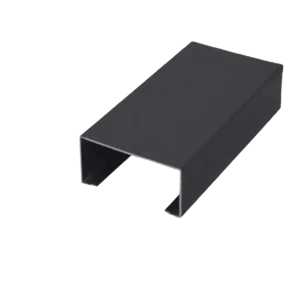
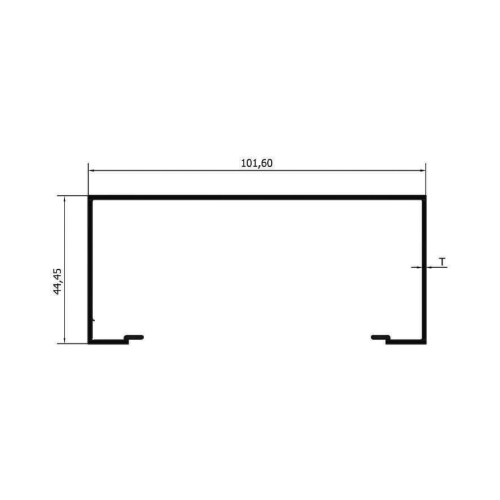
T = 1.00mm
W = 0.602 Kg/m
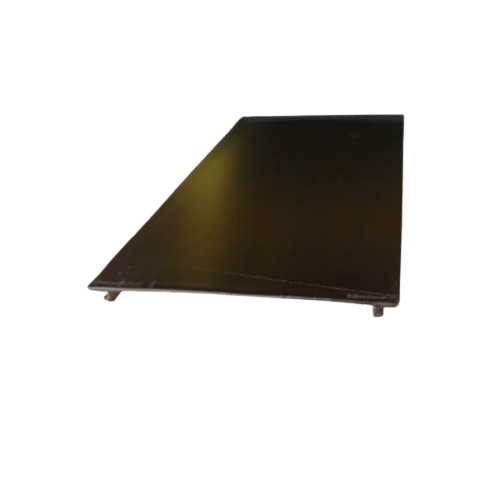
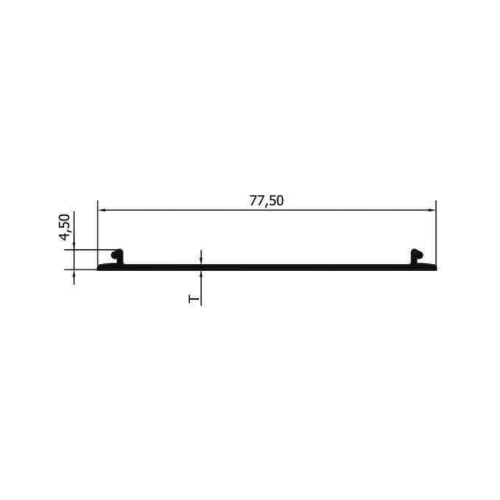
T = 1.00mm
W = 0.241 Kg/m
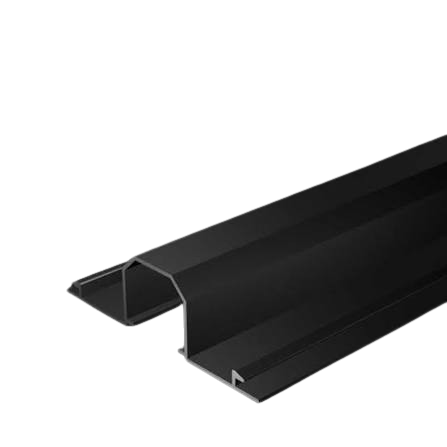
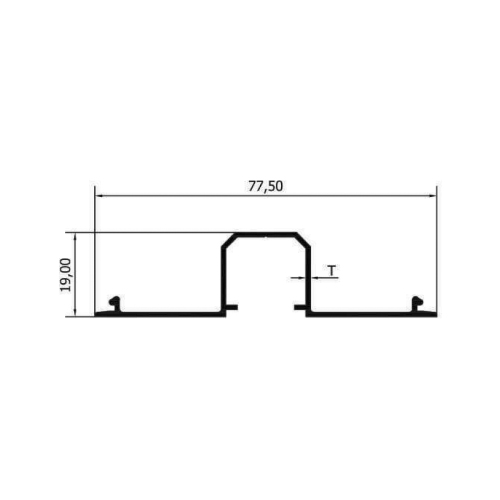
T = 1.00mm
W = 0.344 Kg/m
Our top-tier Shop Front 3” x 1¾ system, built with robust 0.90mm thickness for superior durability.
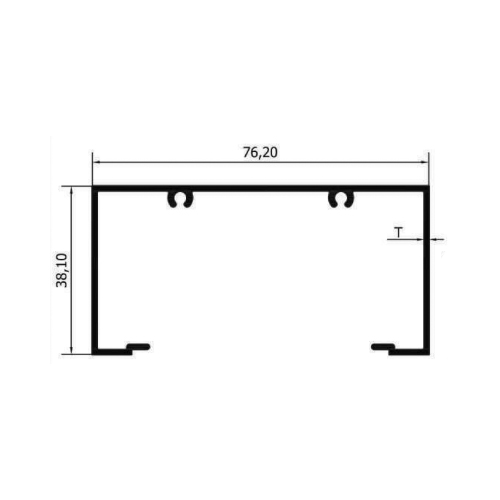
T = 0.90mm
W = 0.478 Kg/m
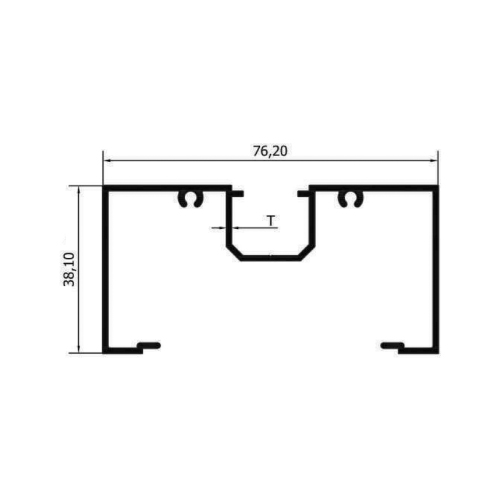
T = 0.90mm
W = 0.560 Kg/m
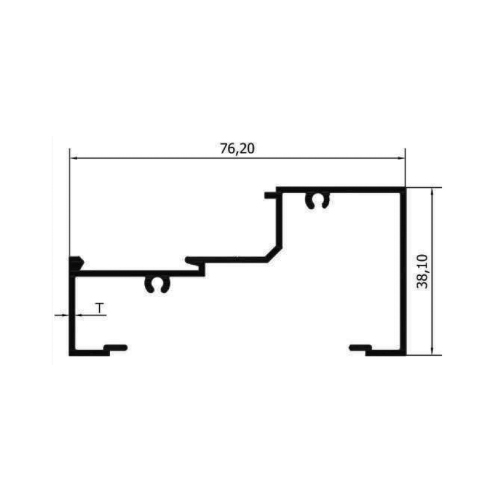
T =0.90mm
W = 0.512 Kg/m
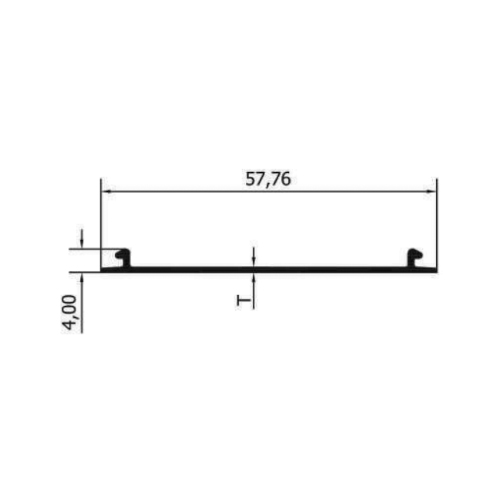
T = 0.90mm
W = 0.166 Kg/m
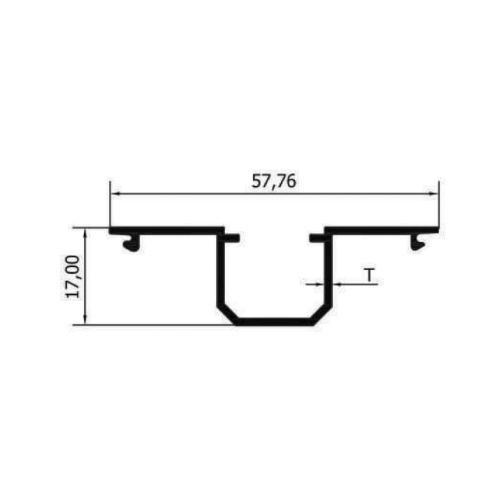
T = 0.90mm
W = 0.248 Kg/m
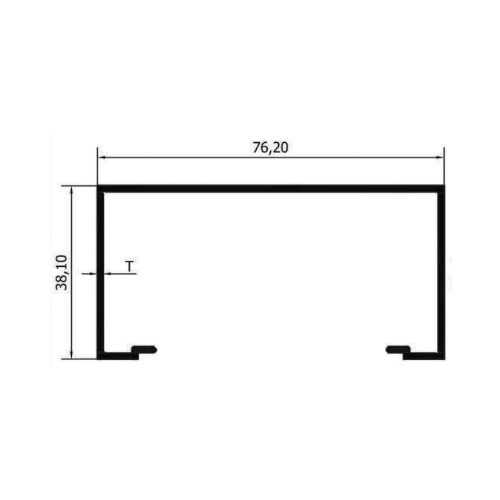
T = 0.90mm
W = 0.431 Kg/m
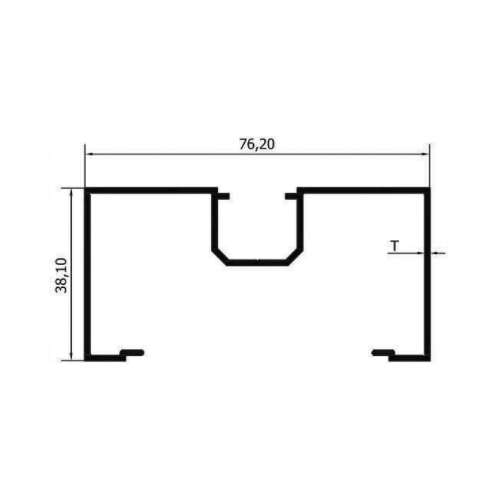
T = 0.90mm
W = 0.514 Kg/m
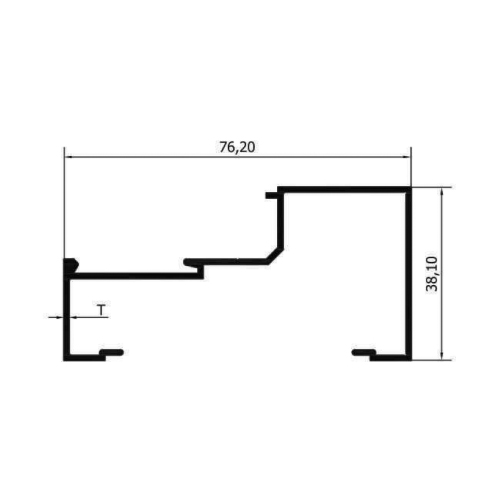
T = 0.90mm
W = 0.466 Kg/m
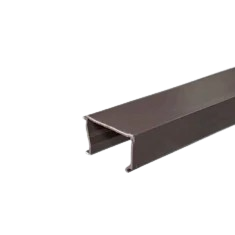
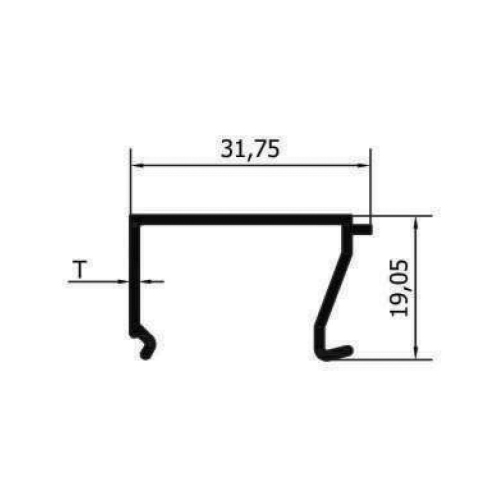
T = 0.90mm
W = 0.181 Kg/m
Our top-tier Shop Front 3” x 1¾ system, built with robust 1.00mm thickness for superior durability.
T = 1.00mm
W = 0.529 Kg/m
T = 1.00mm
W = 0.621 Kg/m
T = 1.00mm
W = 0.565 Kg/m
T = 1.00mm
W = 0.181 Kg/m
T = 1.00mm
W = 0.274 Kg/m
T = 1.00mm
W = 0.478 Kg/m
T = 1.00mm
W = 0.570 Kg/m
T = 1.00mm
W = 0.514 Kg/m
T = 1.00mm
W = 0.200 Kg/m
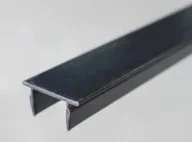
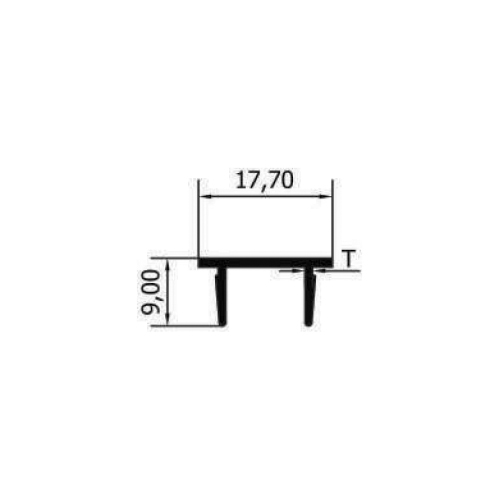
T = 1.00mm
W = 0.103 Kg/m
Our top-tier Shop Front 70mm x 35mm system, built with robust 1.00mm thickness for superior durability.
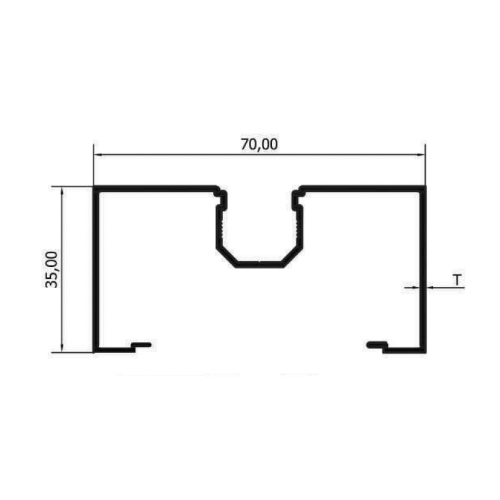
T = 1.00mm
W = 0.521 Kg/m
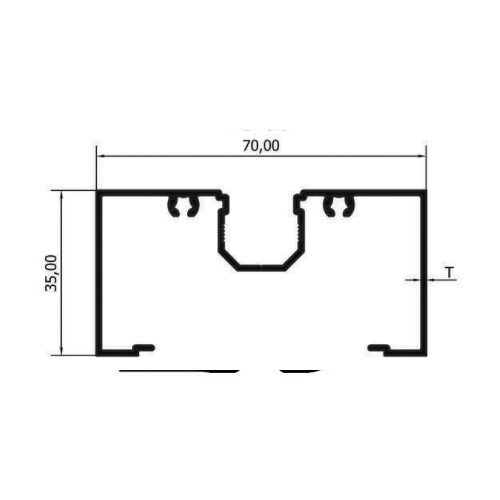
T = 1.00mm
W = 0.592 Kg/m
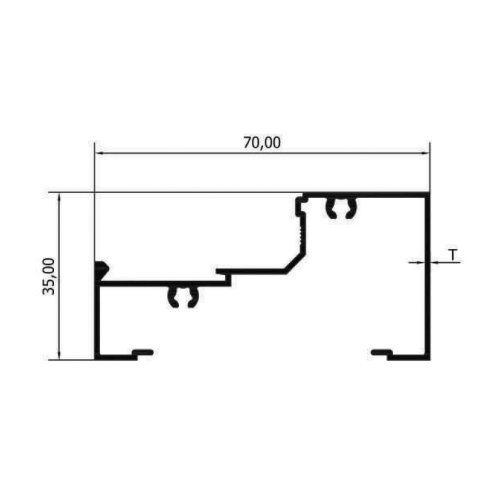
T = 1.00mm
W = 0.537 Kg/m
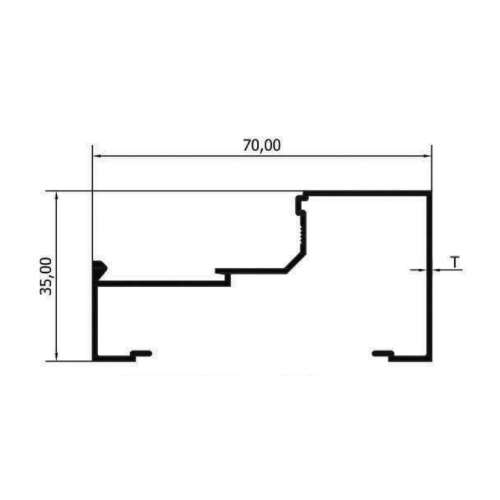
T = 1.00mm
W = 0.467 Kg/m
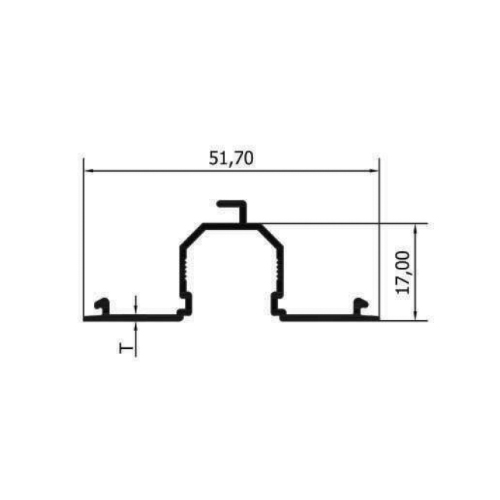
T = 1.00mm
W = 0.264 Kg/m
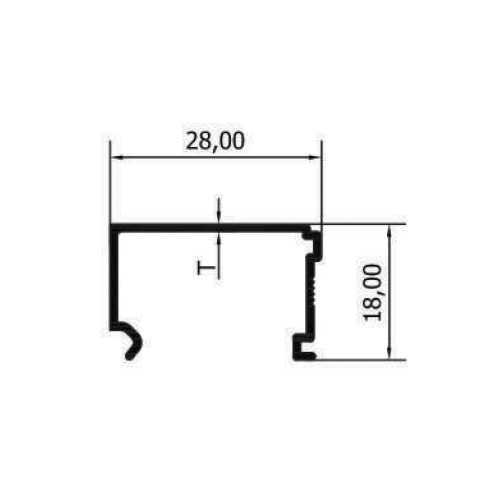
T = 1.00mm
W = 0.183 Kg/m
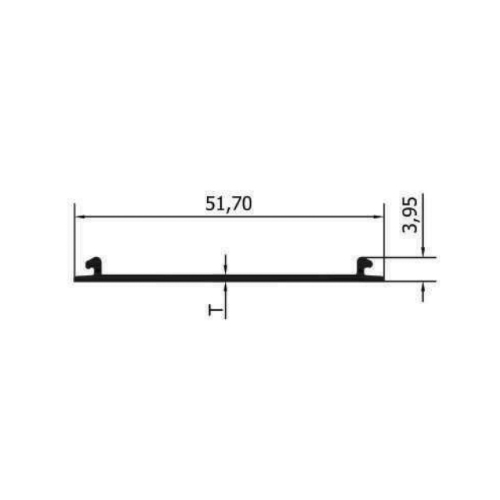
T = 1.00mm
W = 0.161 Kg/m
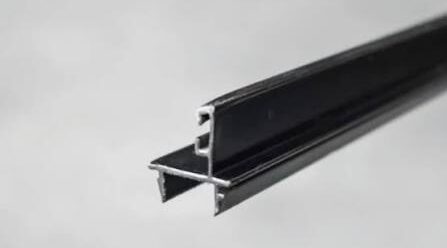
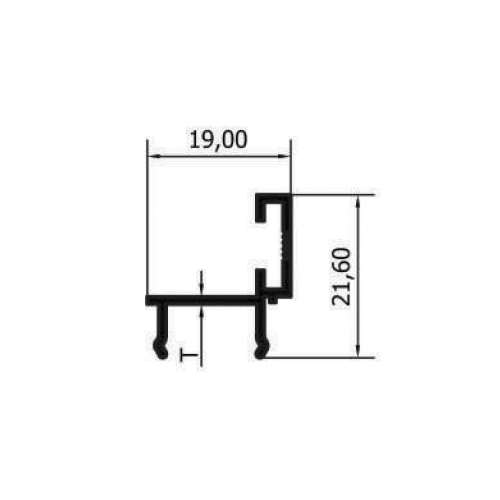
T = 1.00mm
W = 0.151 Kg/m
Our aluminum can be used to create a wide range of your needs such as outdoor furniture, partition systems, rolling doors, and more. Elevate your outdoor living area with our premium aluminum furniture collection.
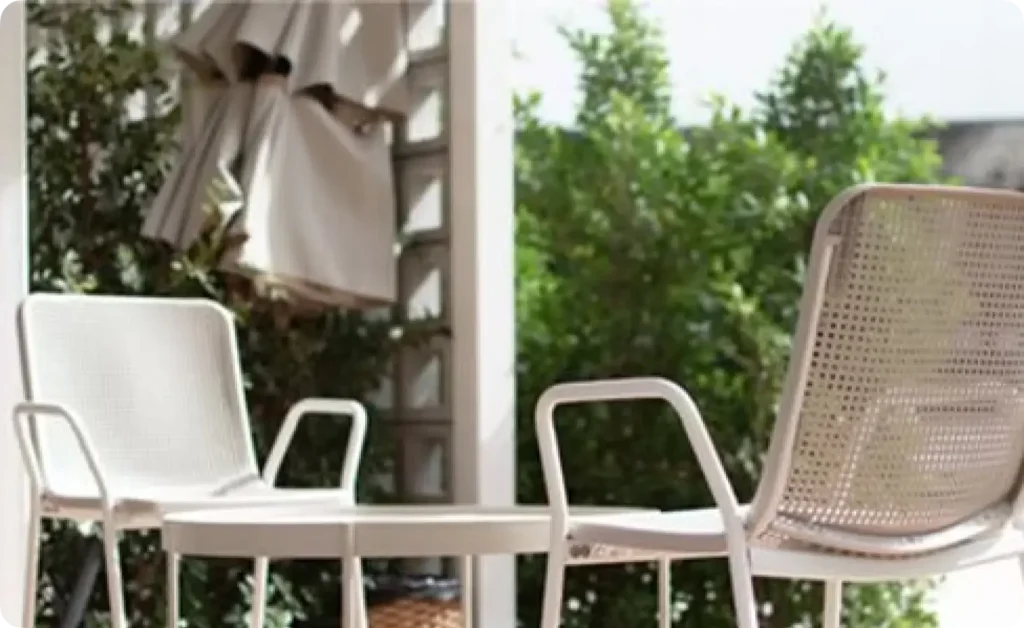
Aluminium material with a solid structure that provides high resistance to pressure and heavy loads, making it ideal for industrial and construction requirements.
We provide a 30-day product quality guarantee to ensure you receive material that meets the highest standards and is free from production defects.
Available in anodizing, powder coating, and mill finish options, offering durability and a clean appearance for various applications.
Aluminium offers excellent formability, allowing it to be easily shaped and fabricated into various designs without compromising strength ideal for custom and complex applications.
Bring design to us and we can turn your ideas into precise, high-quality aluminium solutions. Custom sizes, specification and finishing tailored to your project needs.
An aluminium shopfront, or storefront on American drawings, is the glazed face that a ground-floor business shows the street: framed glass from pavement to fascia, a door in the rhythm, and the company name above it. The system is a kit of extruded profiles, head, sill, mullions, transoms, and door frames, that a glazing contractor assembles into the elevation. We extrude shopfront and storefront sections at our facility in Indonesia, and because this product carries the most divisive name in our catalogue, the vocabulary comes first.
This is the clearest market divide in commercial glazing. The UK, Australia, Canada, and most of Europe write shopfront, sometimes as two words, shop front. The United States writes storefront, and an American specification will not say shopfront once. The product is identical: an aluminium-framed glazing system for ground-floor commercial elevations.
Why it matters practically: international tenants, franchise fit-out manuals, and imported drawings mix the two terms constantly, and suppliers who only recognise one of them misquote the other. We read both as the same enquiry, in aluminium or aluminum to match.
The anatomy is a frame doing four jobs. A sill section at the floor takes the glass's weight and keeps water out of the shop. A head section closes against the structure above, with allowance for the building to deflect without loading the glass. Mullions and transoms divide the elevation into glazing modules and carry wind load back to floor and head. Door framing interrupts the rhythm where the customers come in.
Profile depth runs around 50 to 65 mm, which is the number that defines the product class: deep enough to span a storey of wind load, shallow enough to keep sightlines slim and cost commercial.
The two systems look alike from the pavement and are priced nothing alike, so this distinction saves real money. A shopfront spans a single storey, sitting on the slab and closing against the beam above; its dead load goes straight to the floor and its 50 to 65 mm profiles suit openings up to roughly storey height. A curtain wall hangs in front of the structure and runs continuously past multiple floors, with mullions of 100 mm and deeper, pressure-managed drainage, and bracketry engineered per level.
The buying rule we give every fit-out contractor: a single-storey opening specified as curtain wall is money donated to the facade industry, and a double-height void stretched out of shopfront sections is a wind-load problem wearing a discount. Match the system to the storey count, and the rest of the specification falls into place. The zone a curtain wall closes above the shopfront is covered on our spandrel page.
Our position, formed by where shopfronts actually fail: the elevation is glass, but the product is the door. Glass panels stand still for twenty years; the door cycles hundreds of times a day, and its hinges, floor spring, and frame reinforcement take every one of those cycles. Specify the door hardware for the real traffic count, framed swing doors with continuous gearing for heavy retail, floor-spring pivots for frameless entrances, sliding leaves where the pavement is tight, and let the framing schedule follow from that choice. A shopfront quoted glass-first and door-last is a callback waiting to be scheduled.
A framed shopfront wraps every glass edge in aluminium: the economical, forgiving default that accepts standard 6 to 12 mm glazing. A frameless storefront shows toughened 10 or 12 mm glass with no vertical metal at all, the glass fixed by patch fittings and slim head and sill channels. Frameless is not the absence of extrusion; it is the concentration of it into two horizontal lines, which is why those channels and their anchorage deserve more engineering attention, not less. For conditioned interiors, thermally broken profile variants are available where the energy specification calls for them.
Parameter | Detail |
|---|---|
Profile depth | 50 to 65 mm |
Glazing | 6 to 12 mm framed; 10 or 12 mm toughened frameless |
Door options | Framed swing, frameless pivot, sliding and folding leaves |
Thermal | Standard and thermally broken variants |
Alloy | 6063-T5 |
Finishes | Anodised (15 micron standard), powder-coated to RAL colours |
Sections ship as full system schedules or as individual profiles against a cutting list.
Glazing contractors and fit-out firms buy this product against an elevation, and that is how we quote it. Standard system sections ship cut-to-size; the die library covers alternative depths and glazing pockets; and a custom die can produce a proprietary profile, including specific door-jamb reinforcements and frameless channel details. Send the elevation, the door schedule, and the glass spec, and our team will reply with a profile schedule, price, and lead time from our factory and warehouse in Indonesia.
For the opaque band that closes the facade above the glazing line, see our Spandrel page.