T = 0.80 mm
W = 0.209 Kg/m

A versatile solution with optimal strength and corrosion resistance for various industrial and construction needs. Designed to meet quality standards for excellent structural strength and superior finishing results.
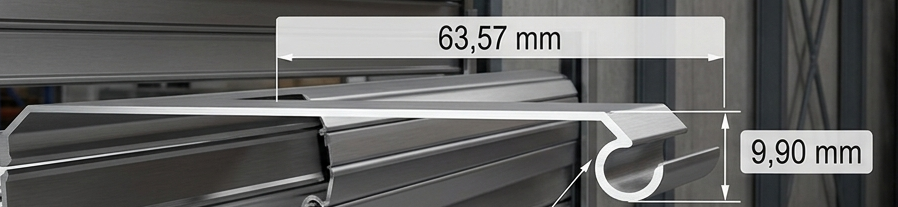
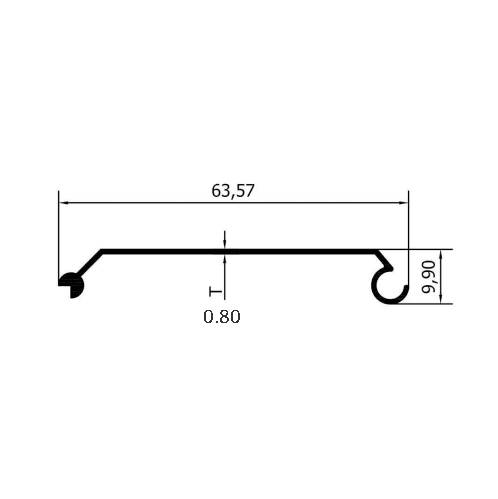
T = 0.80 mm
W = 0.209 Kg/m
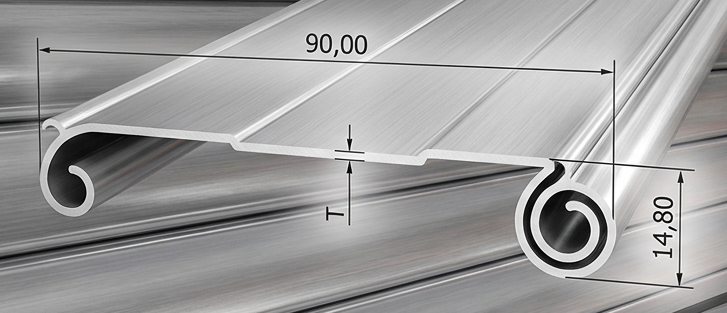
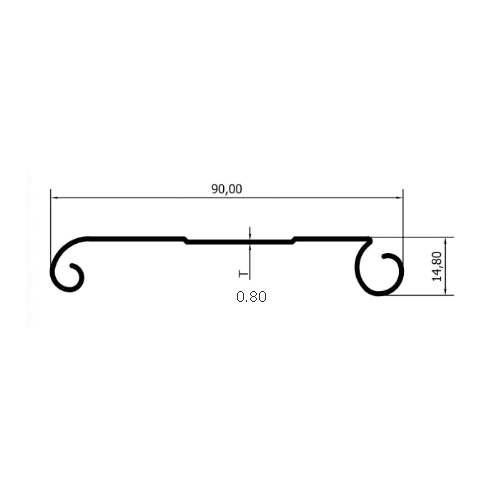
T = 0.80 mm
W = 0.297 Kg/m
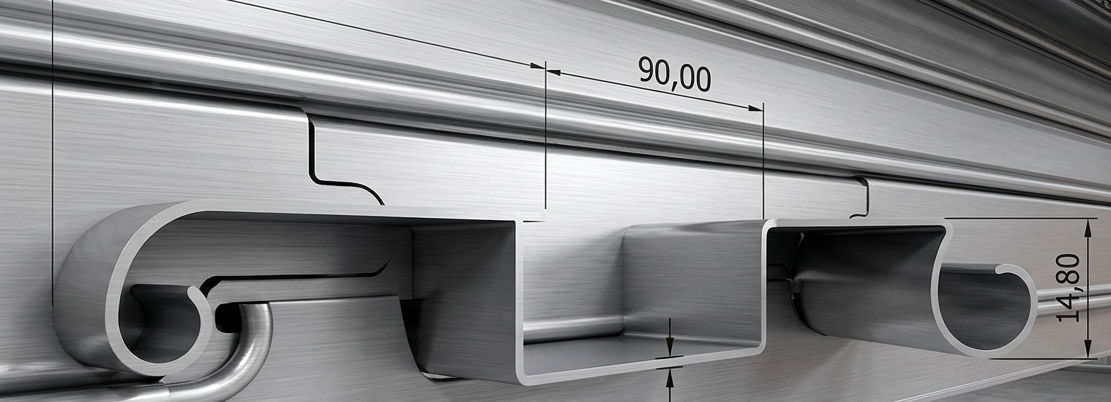
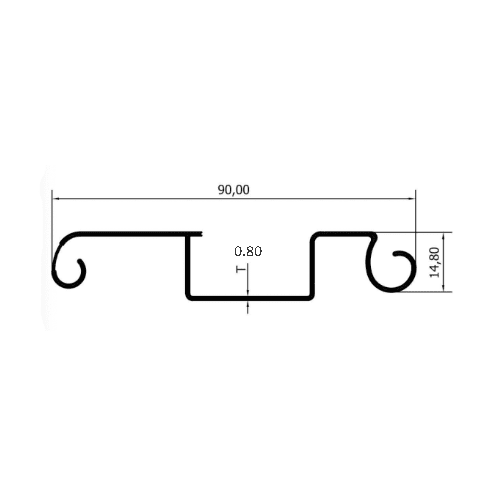
T = 0.80 mm
W = 0.358 Kg/m
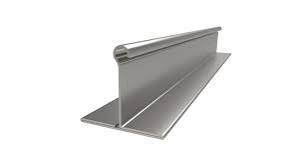
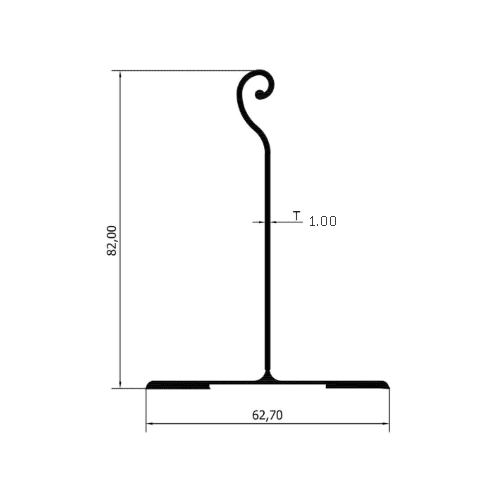
T = 1.00 mm
W = 0.525 Kg/m
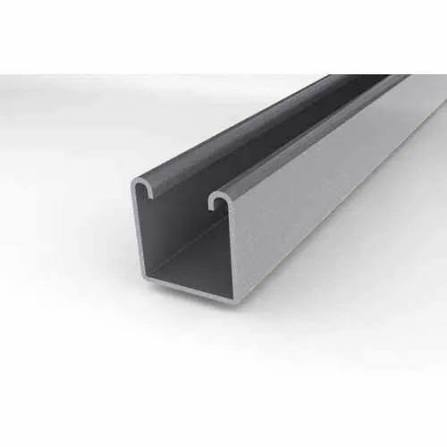
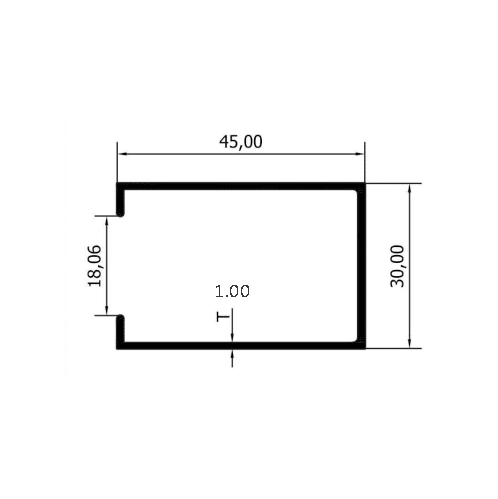
T = 1.00 mm
W = 0.365 Kg/m
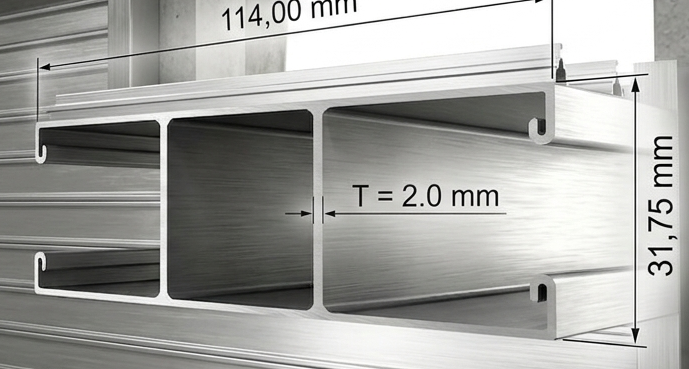
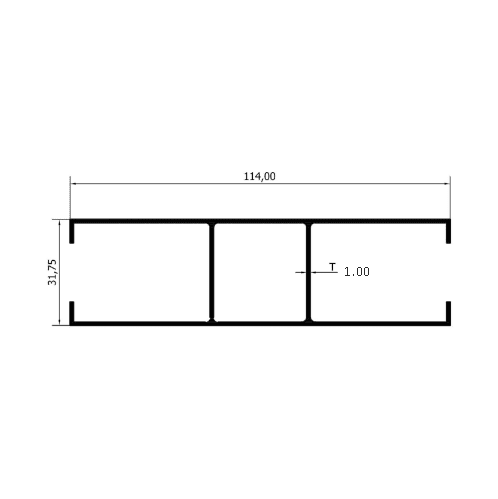
T = 1.00 mm
W = 0.854 Kg/m
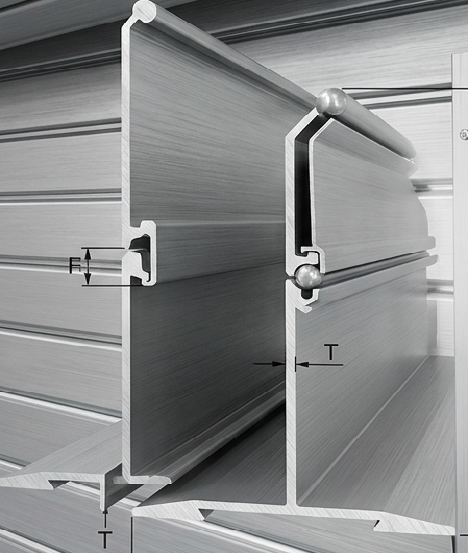
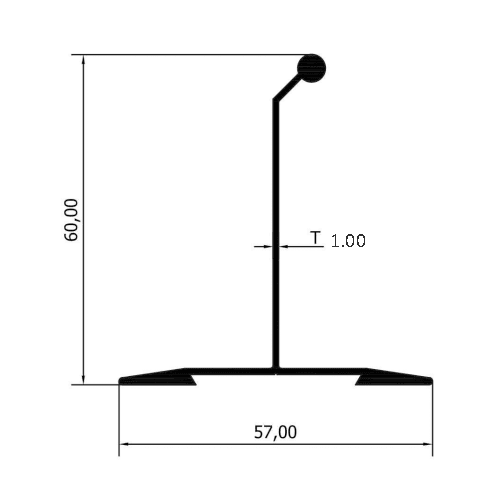
T = 1.00 mm
W = 0.452 Kg/m
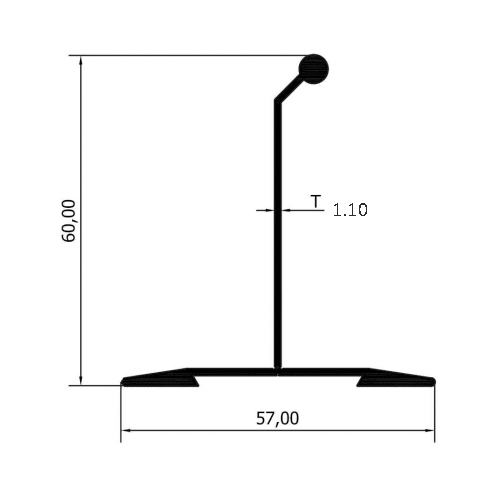
T = 1.10 mm
W = 0.477 Kg/m
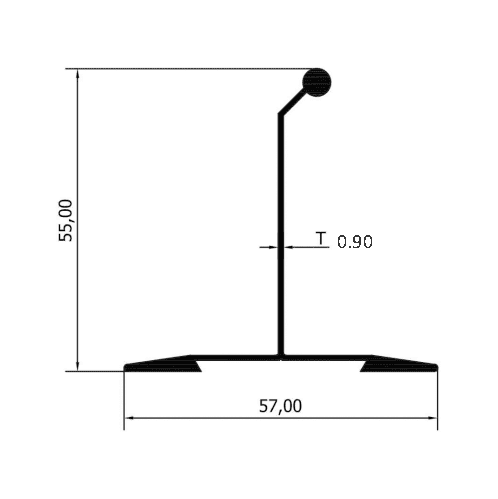
T = 0.90 mm
W = 0.406 Kg/m
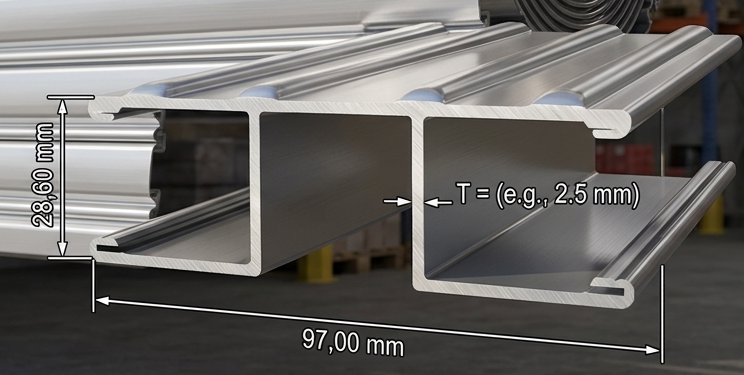
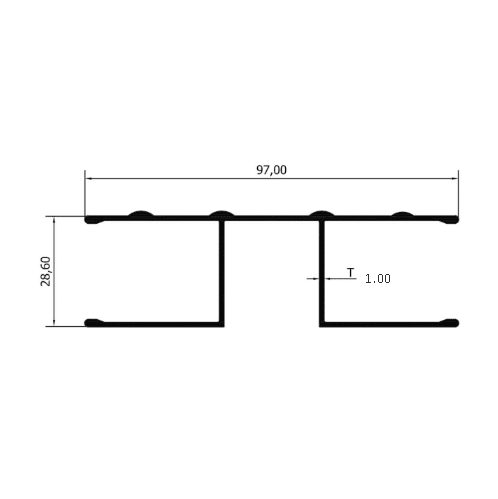
T = 1.00 mm
W = 0.690 Kg/m
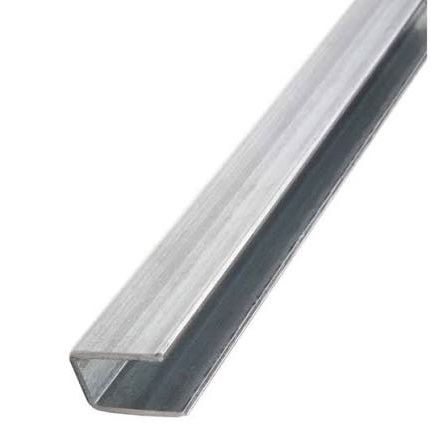
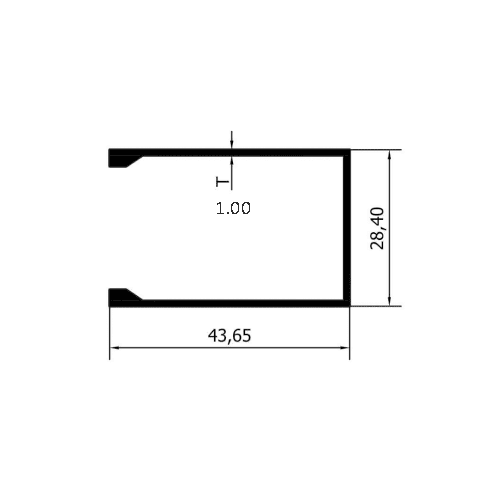
T = 1.00 mm
W = 0.357 Kg/m
Aluminium material with a solid structure that provides high resistance to pressure and heavy loads, making it ideal for industrial and construction requirements.
We provide a 30-day product quality guarantee to ensure you receive material that meets the highest standards and is free from production defects.
Available in anodizing, powder coating, and mill finish options, offering durability and a clean appearance for various applications.
Aluminium offers excellent formability, allowing it to be easily shaped and fabricated into various designs without compromising strength ideal for custom and complex applications.
Bring design to us and we can turn your ideas into precise, high-quality aluminium solutions. Custom sizes, specification and finishing tailored to your project needs.
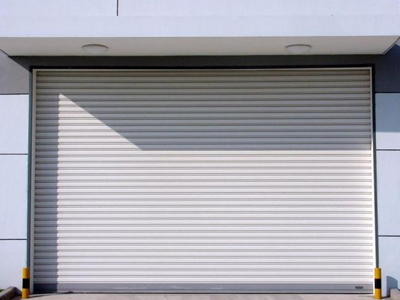
An aluminium rolling door, specified in British English markets as a roller shutter door, is security that disappears during business hours. The door is a curtain of interlocking extruded slats that rolls onto a barrel above the opening, leaving the full width clear by day and closing it to a continuous metal face by night. We extrude the slat profiles, guide rails, and bottom bars that door fabricators build into finished shutters, at our facility in Indonesia, for shopfronts, garages, warehouses, and industrial openings.
Five components make every shutter, whatever its size. The curtain is the visible product: horizontal slats hooked into one another so the assembly stays flexible enough to coil. The barrel above the opening carries the rolled curtain, balanced by springs or driven by a motor. Guide rails at each side capture the curtain's ends and keep wind from pulling it free. The bottom bar stiffens the leading edge and carries the locks. A hood boxes the barrel in against weather and fingers.
Worth knowing before any enquiry: the slats get the attention, but the guides and the bottom bar take the abuse. A shutter's working life is usually decided in those channels, not in the curtain.
The UK, Australia, Canada, and Europe call this a roller shutter door, or simply a roller shutter. The United States says rolling door or roll-up door. You will also meet rolling gate and rolling grille for the open-pattern security versions, and security shutter as a catch-all in both markets. One product family, coiling on the same barrel, and we quote against every one of those names, in aluminium or aluminum as your documents prefer.
Steel resists brute-force and cutting attack better, and for high-security industrial openings it remains the right call. Aluminium wins the rest of the argument. At roughly one third of steel's weight, an aluminium curtain needs a smaller motor, lifts manually without a fight, and puts far less load on the lintel and the spring balance, which is exactly where old steel shutters grow tired. It does not rust, which in coastal and high-humidity climates is not a detail but the whole maintenance budget. And it takes anodised and powder-coated finishes that keep a customer-facing elevation looking intentional rather than industrial.
Small doors run happily on spring balance and a push: the spring carries the curtain's weight and a hand does the rest. Past a certain size and daily cycle count, a tubular or side motor earns its cost in the first month of opening time.
Three provisions belong on every motorised shutter, and we flag them because buyers routinely discover them after the order. A manual override, crank or chain, so a power cut does not seal the building. An anti-fall brake on the barrel, so a drive failure cannot drop the curtain. And obstacle detection, a sensing bottom edge or photocell, so the closing curtain stops against a person or a parked motorcycle instead of continuing. None of these is exotic; all of them are cheaper specified than retrofitted.
Door fabricators buy from us three ways: standard slat, guide, and bottom bar sections cut to size against an opening schedule; modified profiles from the die library where a system's details demand it; and fully custom dies for proprietary slat designs, including specific perforation layouts and interlock geometries. Send the opening dimensions, the duty (security, retail, insulated), and the cycle count, and our team will reply with a profile schedule, price, and lead time from our factory and warehouse in Indonesia.
The shutter guards the opening at night; the glazed frame it rolls down in front of lives on our Shopfront page.