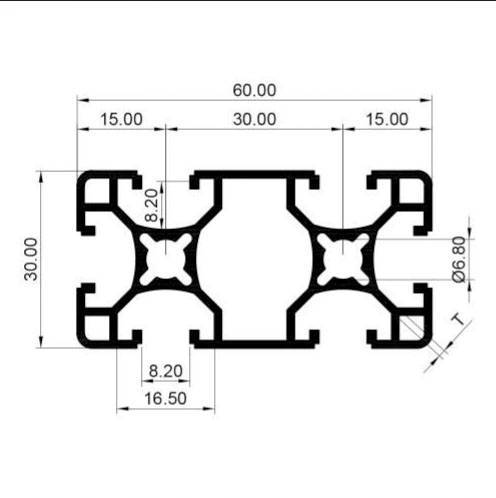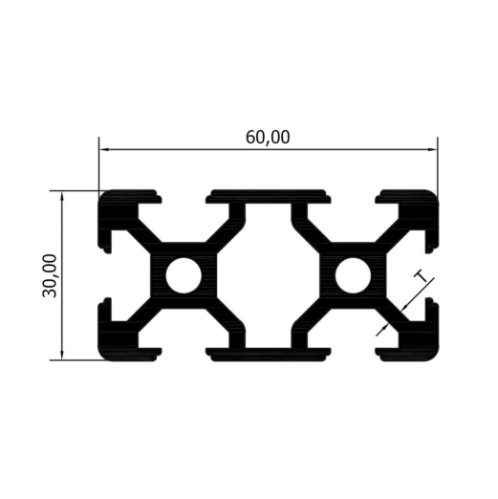
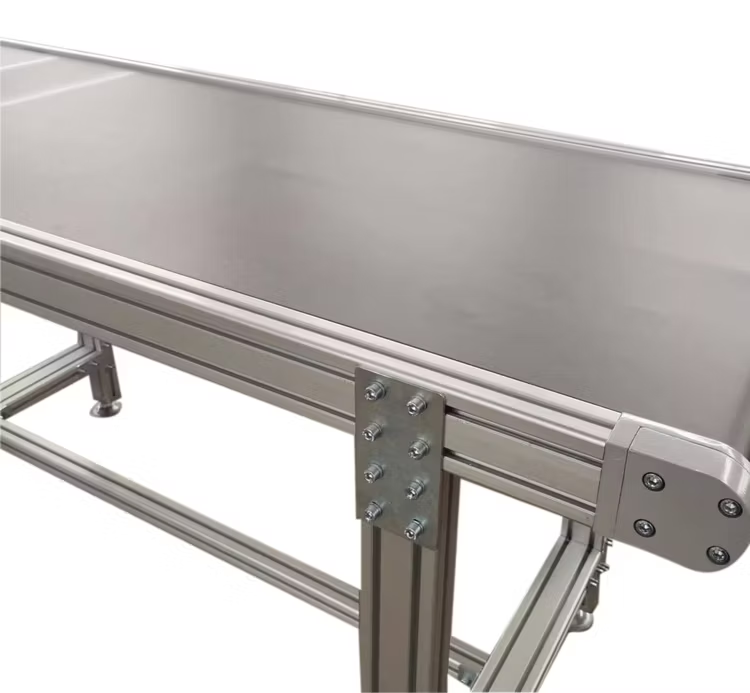
Double Conveyor
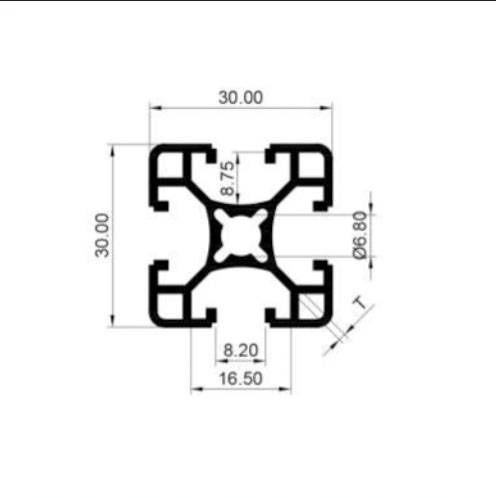
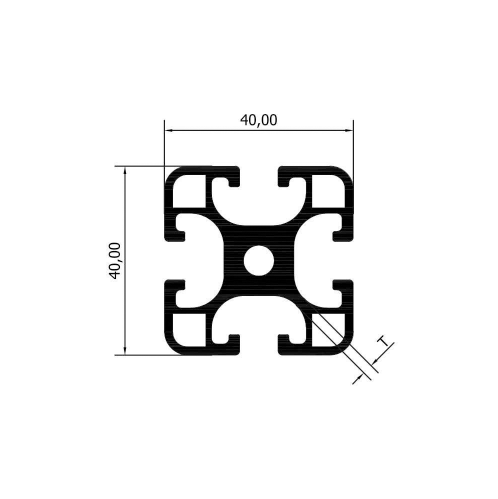
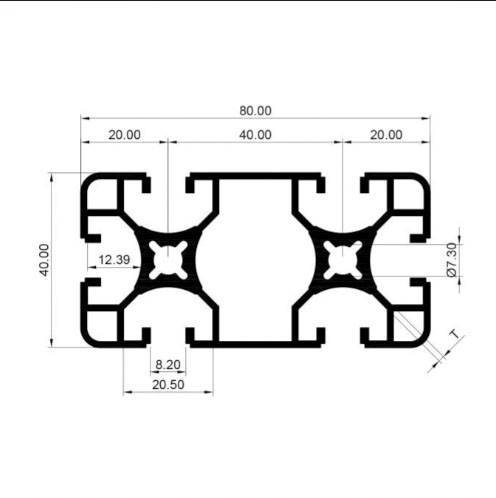
W = 2.014 Kg/mT = 1.35 mm
W = 2.014 Kg/m

A versatile solution with optimal strength and corrosion resistance for various industrial and construction needs. Designed to meet quality standards for excellent structural strength and superior finishing results.
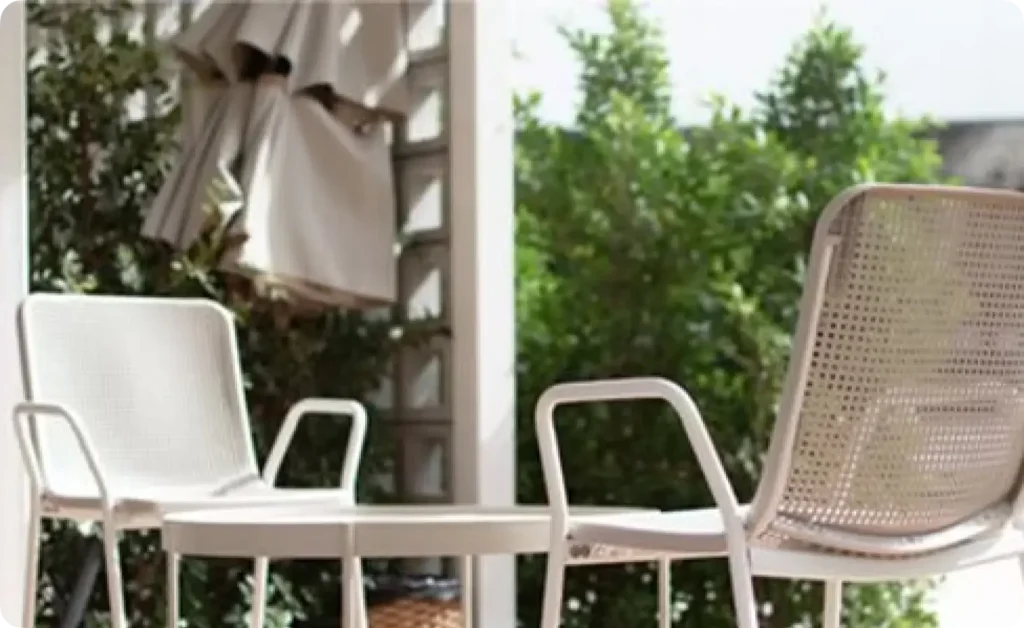
Our aluminum can be used to create a wide range of your needs such as outdoor furniture, partition systems, rolling doors, and more. Elevate your outdoor living area with our premium aluminum furniture collection.
Aluminium material with a solid structure that provides high resistance to pressure and heavy loads, making it ideal for industrial and construction requirements.
We provide a 30-day product quality guarantee to ensure you receive material that meets the highest standards and is free from production defects.
Available in anodizing, powder coating, and mill finish options, offering durability and a clean appearance for various applications.
Aluminium offers excellent formability, allowing it to be easily shaped and fabricated into various designs without compromising strength ideal for custom and complex applications.
Bring design to us and we can turn your ideas into precise, high-quality aluminium solutions. Custom sizes, specification and finishing tailored to your project needs.
An aluminium conveyor profile, known across the Atlantic as a T-slot extrusion, is the rail that turned machine building from a welding job into an assembly job. The profile is a structural aluminium rail with T-shaped slots running its full length. Slide a T-nut into the slot, add a bolt and a bracket, and you have a joint that needed no drilling, no welding, and no paint, and that comes apart again when the line changes. We extrude conveyor and T-slot profiles at our facility in Indonesia, along with the dual-slot variants that high-density builds call for.
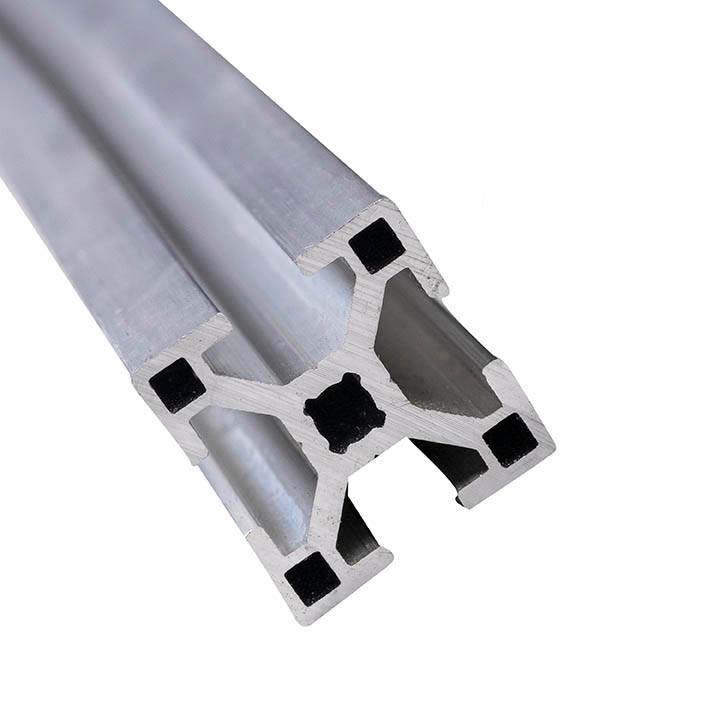
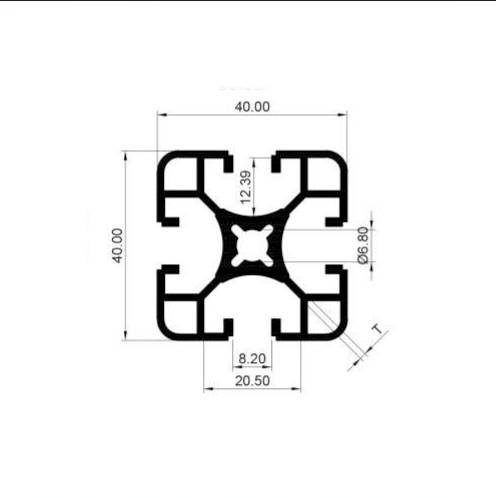
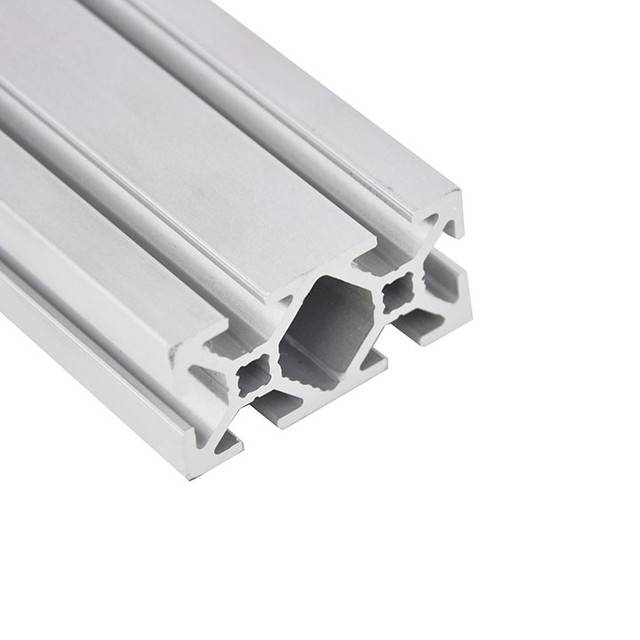
Look at the cross-section and you will see a square or rectangular rail with a narrow opening on each face that widens into a T-shaped channel inside. That channel is the whole invention. A standard hex nut cannot enter it, but a T-nut slides along it freely and locks the moment a bolt pulls it against the slot's lips.
The result is a frame member with a continuous fixing line on every slotted face. Brackets, panels, sensors, and guides mount anywhere along the length, at any position, and move when the design does. Nothing on a welded frame can make that claim.
The naming split here is about what each market noticed first. Buyers in the UK, Australia, Canada, and Europe call this family conveyor profile or conveyor rail, after its most visible application: the frames and guide rails of belt and roller conveyors. Buyers in the United States call it a T slot or T-slot extrusion, after the shape of the channel itself. You will also meet the general terms modular framing and aluminium profile system in both markets.
The extrusion answers to all of those names. We quote against whichever one your drawings use, in aluminium or aluminum as your spelling prefers.
The rail is only half the product. The other half is the ecosystem that rides in its slots:
One piece of advice we give every first-time system builder: pick one slot series and stay in it. Mixing 8 mm and 10 mm slots across a build means stocking two sets of every nut and bracket, and the savings on one cheaper rail never pay for that.
Most rails carry one slot per face. The dual T-slot variant carries two parallel slots on its wider faces, which doubles the fixing density without widening the frame. Dense automation builds, rails carrying both a guard panel and a sensor row, and machine bases with hardware competing for the same face are where the dual profile earns its premium. The accessories are shared: the same nuts and brackets fit both.
Per metre, a welded steel frame is cheaper. That is the whole case for steel, and for a one-off frame that will never change, it can be the right call. The T-slot system wins everywhere else: no hot work on site, no painting, flat anodised reference surfaces straight off the saw, and a frame that reconfigures instead of being scrapped when the process changes. Plants that modify lines more than once a year stop comparing the two on rail price and start comparing them on the cost of the next change.
Standard series rails ship cut-to-size from our stock dies: send a cutting list and receive deburred, square-cut lengths ready for assembly. Beyond that, the die library covers non-standard sections, and a custom die can put slots exactly where your machine needs them, including hybrid profiles that combine a T-slot face with a plain structural face. Closed sections without slots, for frame members that need stiffness but no fixings, live on our Rectangular Hollow page.
Send the frame drawing, the series you have standardised on, or just the application, and our team will reply with a profile recommendation, price, and lead time from our factory and warehouse in Indonesia. Sample lengths are available if you want to test your existing nuts and brackets in our slots before committing.