T = 1.00 mm
W = 0.261 Kg/m

A versatile solution with optimal strength and corrosion resistance for various industrial and construction needs. Designed to meet quality standards for excellent structural strength and superior finishing results.
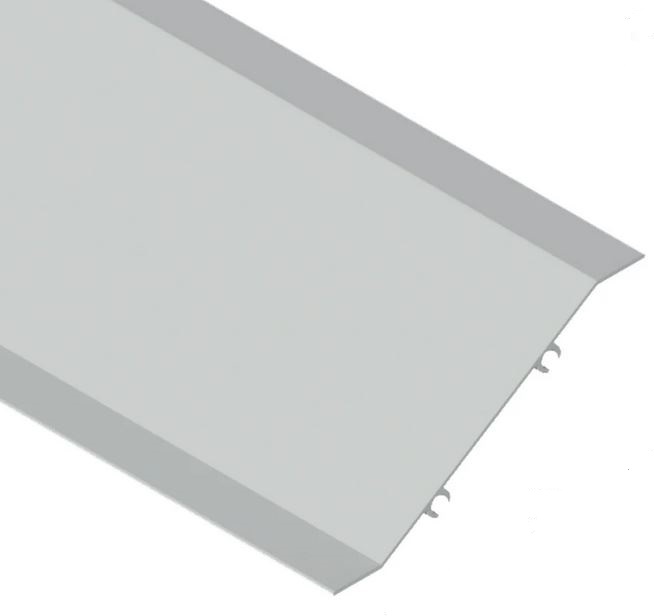
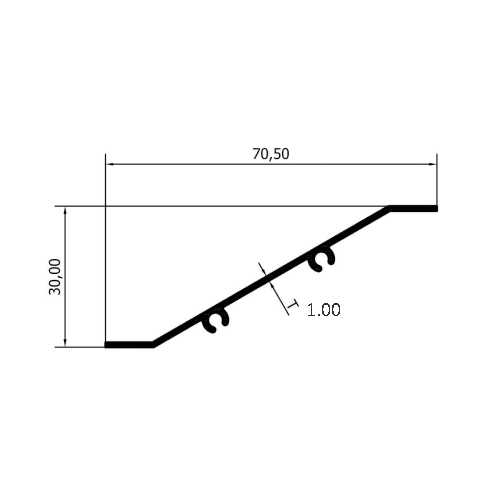
T = 1.00 mm
W = 0.261 Kg/m
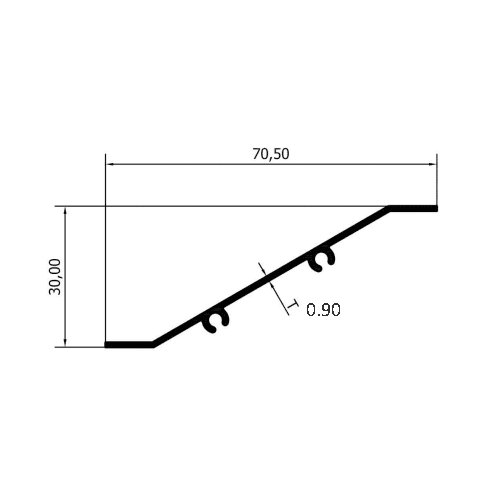
T = 0.90 mm
W = 0.237 Kg/m
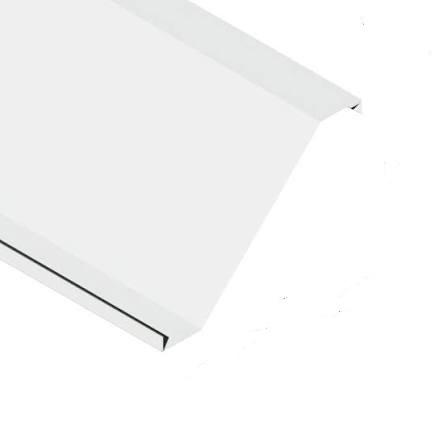
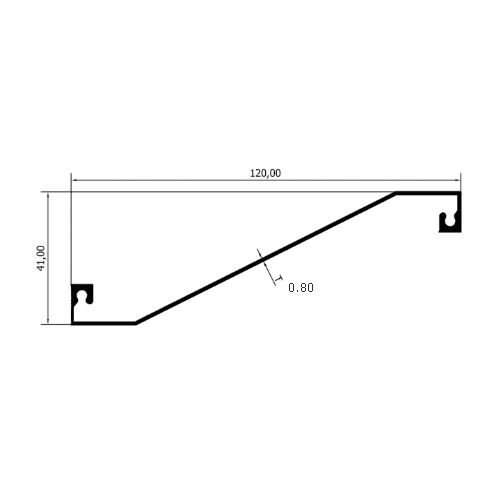
T = 0.80 mm
W = 0.439 Kg/m
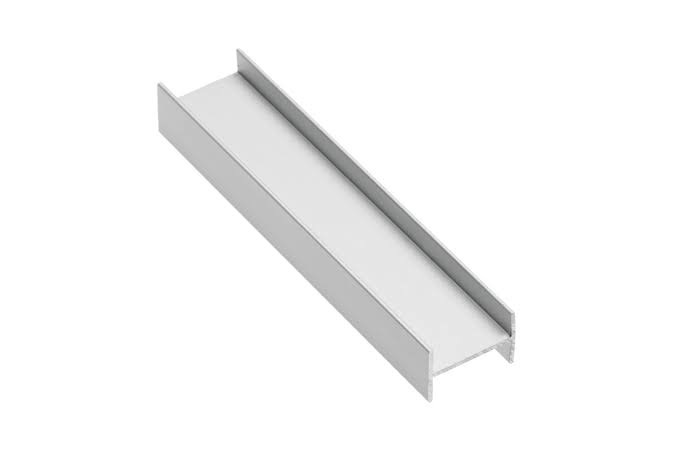
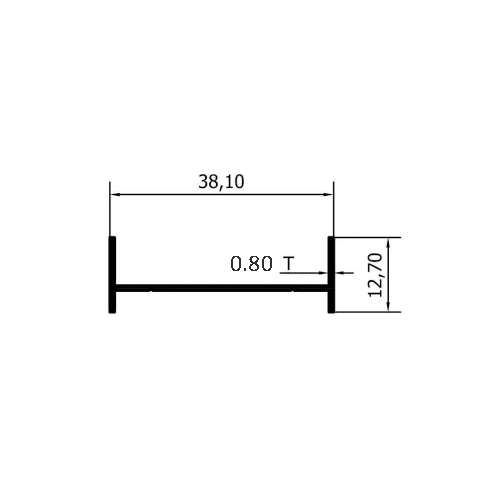
T = 0.80 mm
W = 0.133 Kg/m
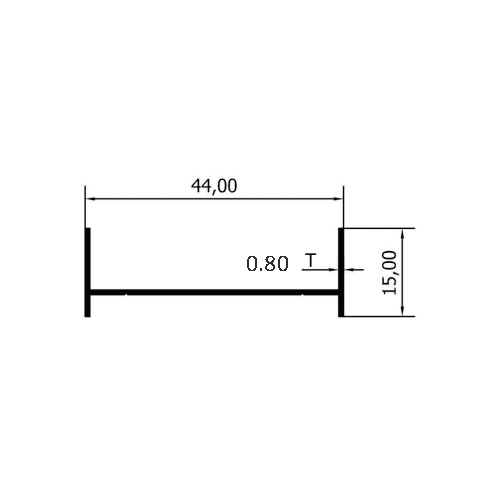
T = 0.80 mm
W = 0.155 Kg/m
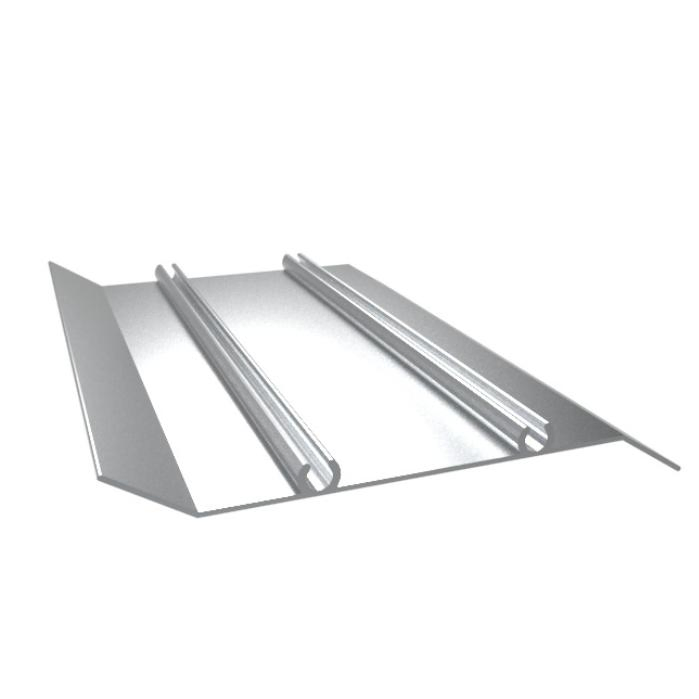
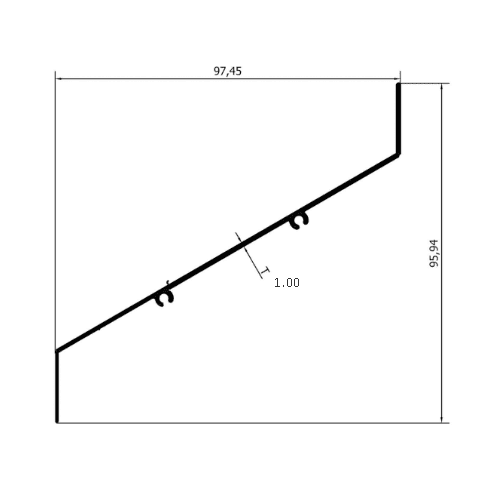
T = 1.00 mm
W = 0.452 Kg/m
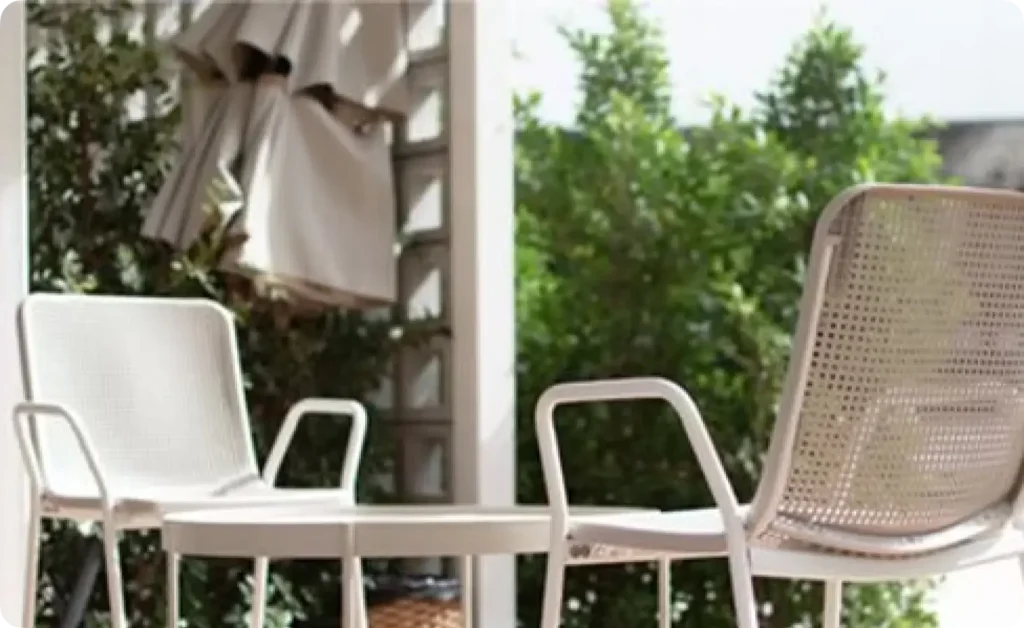
Our aluminum can be used to create a wide range of your needs such as outdoor furniture, partition systems, rolling doors, and more. Elevate your outdoor living area with our premium aluminum furniture collection.
Aluminium material with a solid structure that provides high resistance to pressure and heavy loads, making it ideal for industrial and construction requirements.
We provide a 30-day product quality guarantee to ensure you receive material that meets the highest standards and is free from production defects.
Available in anodizing, powder coating, and mill finish options, offering durability and a clean appearance for various applications.
Aluminium offers excellent formability, allowing it to be easily shaped and fabricated into various designs without compromising strength ideal for custom and complex applications.
Bring design to us and we can turn your ideas into precise, high-quality aluminium solutions. Custom sizes, specification and finishing tailored to your project needs.
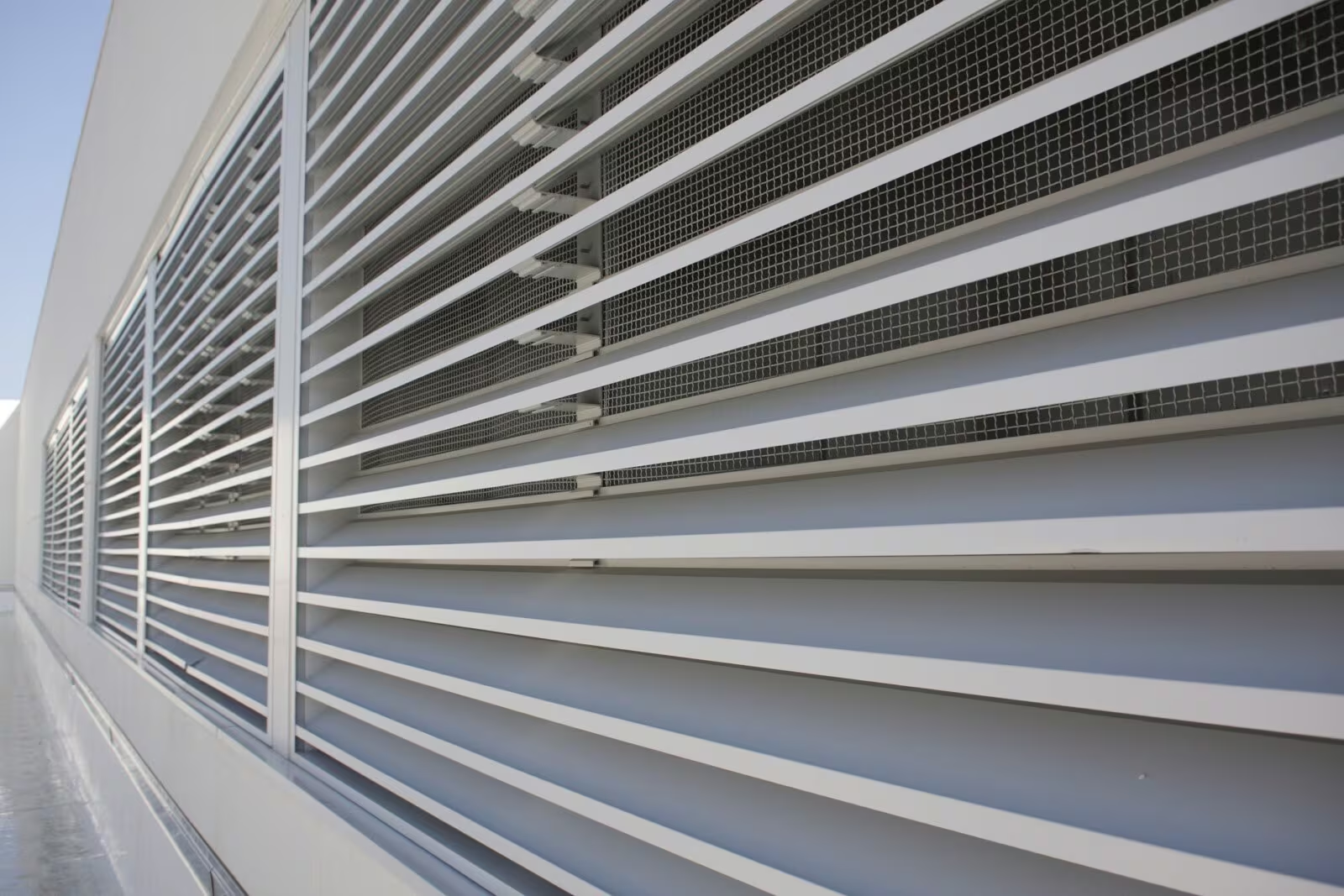
Aluminum louvers are rows of angled blades fixed across an opening. The blades sit close enough to block direct sun, rain, and sightlines, yet open enough to let air through. Each blade is an extruded profile, cut to length from one continuous run, so its cross-section never changes. That consistency is what keeps a long facade of blades straight and evenly spaced. As a manufacturer extruding aluminum louvers in Indonesia, we supply blade profiles in volume for facades, sunscreens, and ventilated equipment enclosures.
Aluminum louvers do two different jobs, and the job sets the design. Architectural louvers shade glass, screen views, and give a facade its rhythm, so appearance and sun control lead the brief. Ventilation louvers sit over openings to equipment and generator rooms, where airflow and rain rejection come first. Both can be fixed or adjustable, and specialist versions add drainage gutters, acoustic infill, or storm ratings for exposed sites.
A steeper blade angle sheds more rain and blocks more sun, but it passes less air. For that reason, ventilation blades usually sit at roughly 35 to 45 degrees. Closer spacing improves shade and screening but lowers free area, the share of the opening left clear for air. Horizontal blades suit high midday sun on equator-facing walls, while vertical blades handle low sun on east and west elevations. Since the die fixes the blade shape, settle all three choices before ordering.
Exalum's louver range lists six blade sections by wall thickness and weight per metre. Heavier, wider sections suit longer spans and windier sites, while lighter blades keep weight down on screens and shading panels.
Section | Thickness (T) | Weight (kg/m) |
64001 | 1.00 mm | 0.261 |
64002 | 0.90 mm | 0.237 |
64003 | 0.80 mm | 0.439 |
64004 | 0.80 mm | 0.133 |
64005 | 0.80 mm | 0.155 |
64006 | 1.00 mm | 0.452 |
Figures follow the Exalum louver page; ask for blade width and profile drawings with your quote.
Weight per metre also drives freight, so price aluminum louvers by the metre against your full blade count.
Finish decides how long louvers keep their look, because blades face the weather on every side. Anodizing thickens the natural oxide layer, so the protection is part of the metal and suits humid or coastal air. Powder coating opens a wide colour range, and specifying one colour for blades and frames together keeps every batch matched. Mill finish fits ventilation louvers on service elevations. In any of the three finishes, aluminum louvers will not rust the way painted steel blades can.
Fixed aluminum louvers always let some air and wind-driven rain through, so they are not a seal. Where an opening must close fully, an operable system with seals and motors does the job better. Where a code demands certified wind-driven rain or storm ratings, specify a complete tested louver system, because a blade profile alone does not carry that rating. Acoustic louvers likewise rely on sound-absorbing infill behind the blades, not on the aluminum itself.
On office and hotel facades, louvers pair with Curtain Wall glazing to cut solar heat gain without blocking the view. Above the glass line, they often continue the linear look of Spandrel cladding. Enclosures around chillers, generators, and HVAC equipment rely on them to pass air while keeping rain and debris out. Homes use them for privacy screens, balcony panels, and shaded patios, and coastal projects favour aluminum louvers for their low upkeep in salt air.
A complete brief turns a screen idea into a firm price. State the blade section, the cut length, and the spacing and angle, then note how the blades fix to their frame or mullions. If the blades must line up with mullions or a glass grid, send the elevation too, so cut lengths and fixing points match on site. Add the finish and colour, the site exposure, the quantity, and the delivery schedule. With that list, a supplier of aluminum louvers can price extrusion, cutting, and finishing as one package.
Most louver orders leave the factory as cut blades rather than full lengths. Send a drawing or cutting list, and the blades arrive cut, deburred, and finished in mill, anodized, or powder coat. Standard sections ship from our range, and new blade shapes come from a custom die, backed by our 30-day quality guarantee. As your supplier of aluminum louvers, we reply with finish, tolerance, price, and lead time from our factory in Indonesia. Browse every blade section on our Louvers page, and for the frames that carry the blades, see our Rectangular Hollow page.