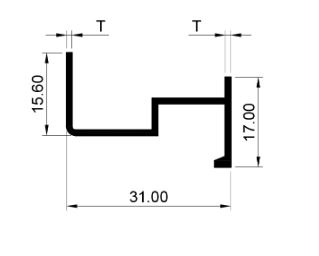
T = 0.80 mm x
W = 0.260 Kg/m

Explore interlocking aluminium spandrel profiles for ceilings, soffits and cladding. Compare profile codes, thicknesses and weights below, then share your preferred section and project requirements with Exalum Metal.
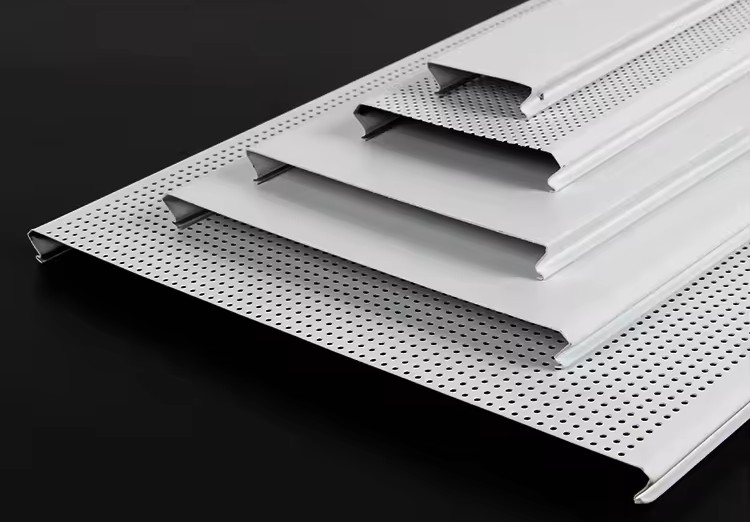
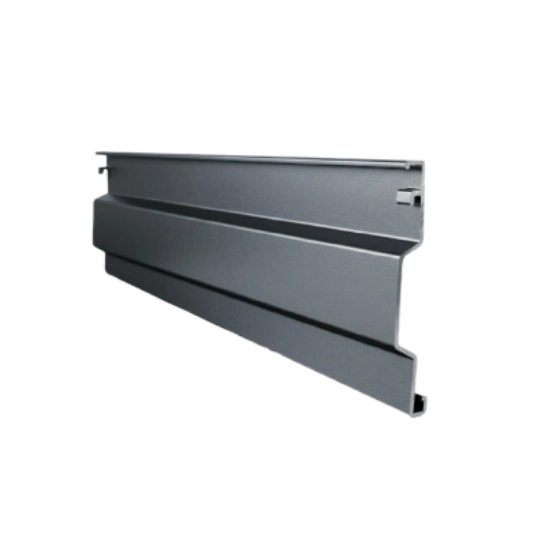
Exalum Metal's spandrel profiles are designed with a smart interlocking mechanism that hides fasteners, resulting in a clean, continuous architectural finish. Lightweight yet incredibly durable, they are the perfect low-maintenance solution for covering large surface areas elegantly.
Exterior soffits
Protecting roof overhangs with a sleek, ventilated or solid finish.
Ceiling panels
Modern, drop-ceiling alternatives for commercial spaces and bathrooms.
Wall cladding
Weather-resistant exterior facades for buildings.
Gas station canopies
Durable, fire-resistant overhead coverings.
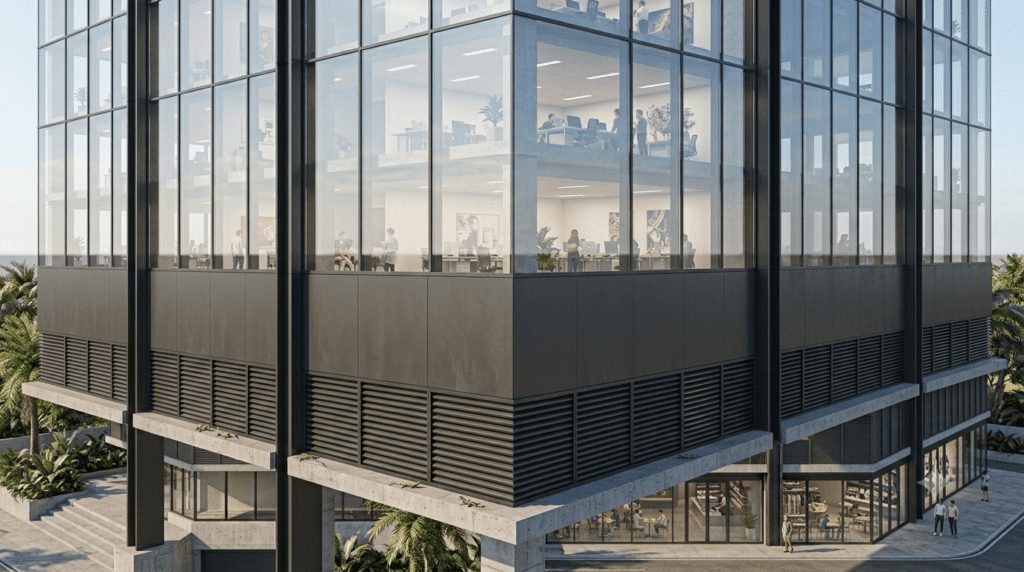
Choose Your Spandrel Profile. Check the profile code and cross-section drawing before selecting a section. Confirm the coverage width, required length, finish and quantity for your installation. For a replacement project, send a photograph or drawing of the existing profile so its dimensions and connection details can be compared.
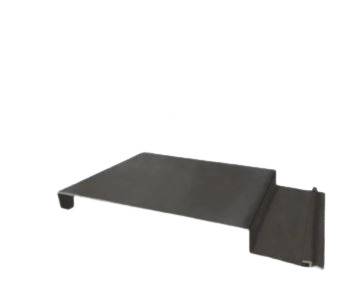
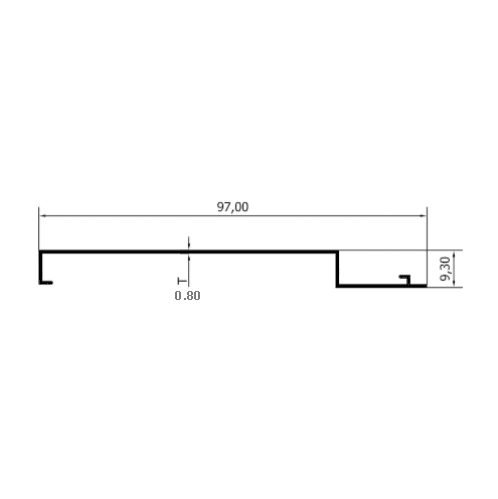
T = 0.80 mm x
W = 0.260 Kg/m
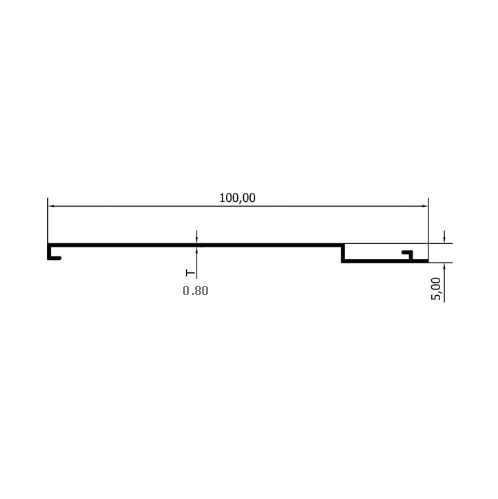
T = 0.80 mm
W = 0.248 Kg/m
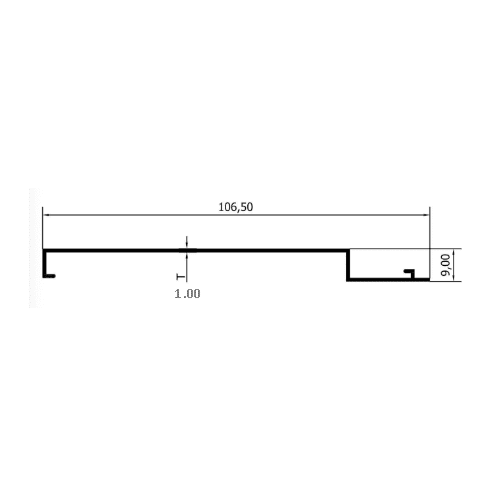
T = 1.00 mm
W = 0.350 Kg/m
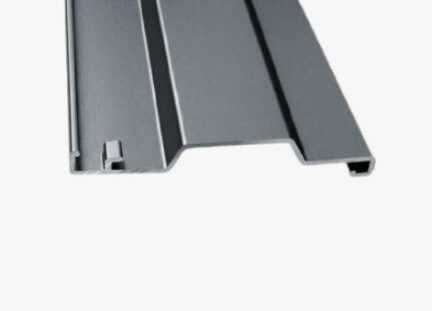
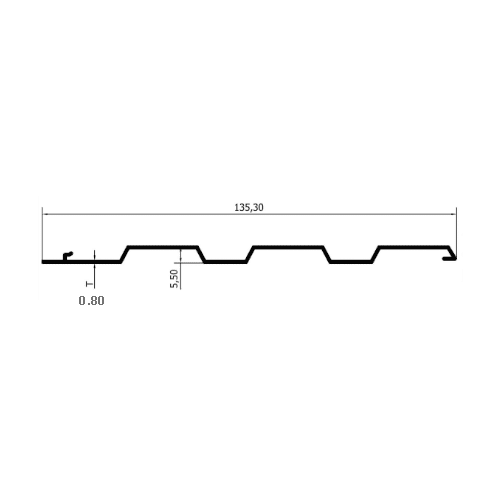
T = 0.80 mm
W = 0.345 Kg/m
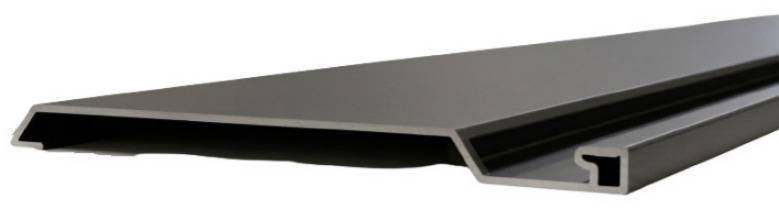
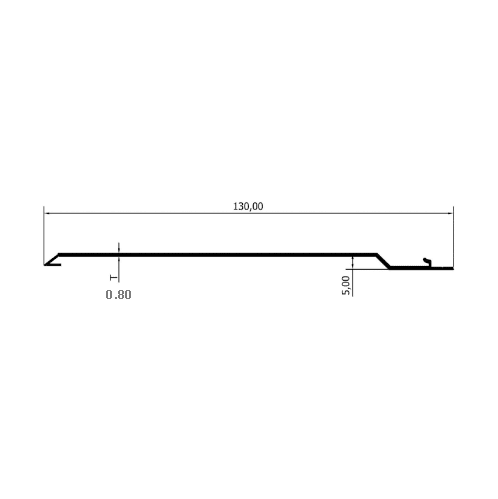
T = 0.80 mm
W = 0.305 Kg/m
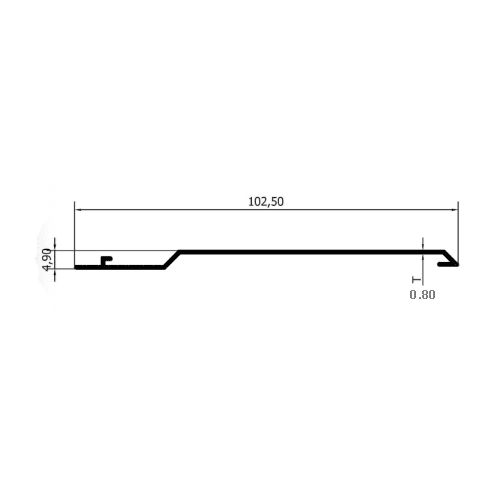
T = 0.80 mm
W = 0.246 Kg/m
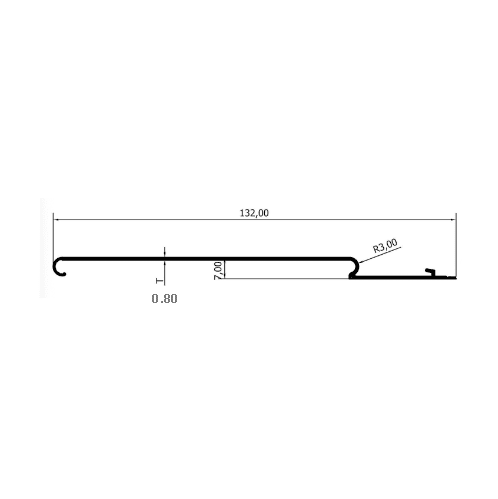
T = 0.80 mm
W = 0.327 Kg/m
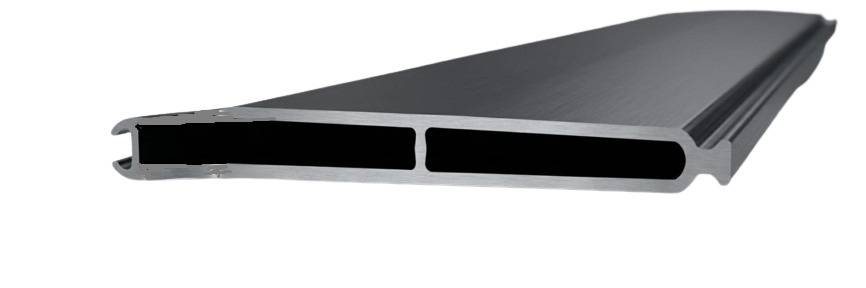
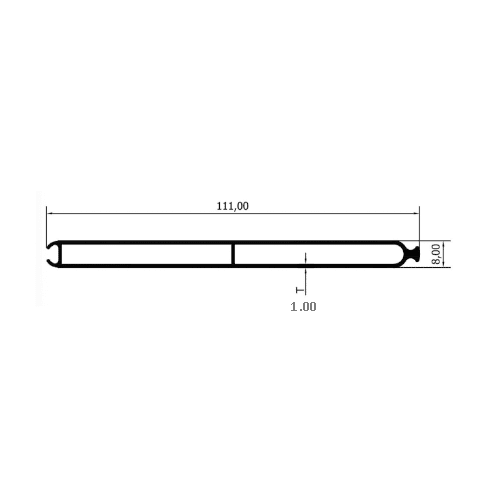
T = 1.00 mm
W = 0.659 Kg/m
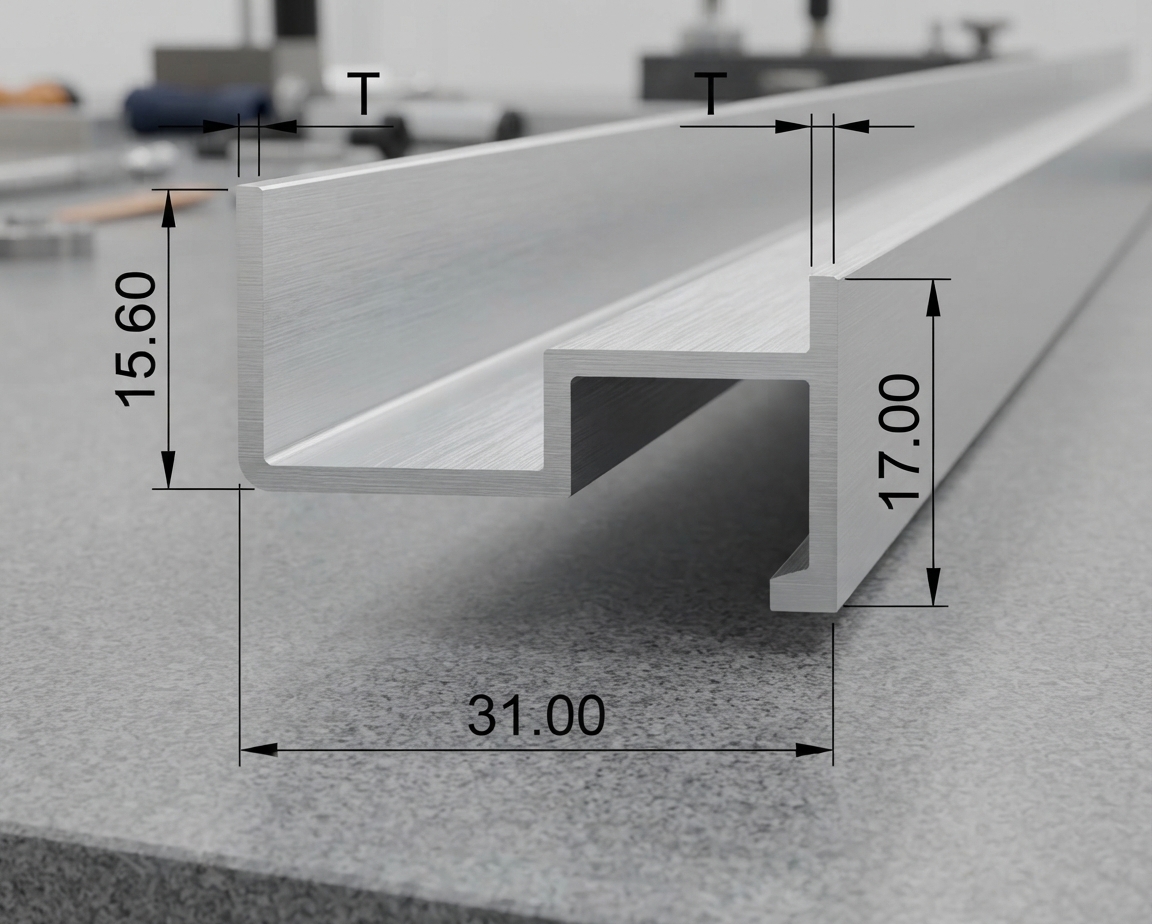
T = 1.00 mm
W = 0.190 Kg/m
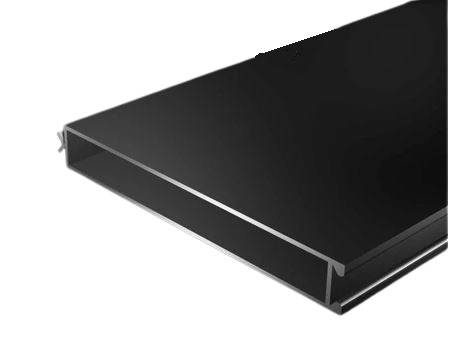
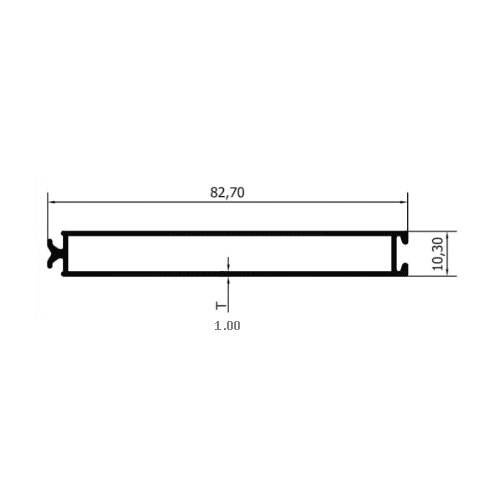
T = 1.00 mm
W = 0.520 Kg/m
Aluminium material with a solid structure that provides high resistance to pressure and heavy loads, making it ideal for industrial and construction requirements.
We provide a 30-day product quality guarantee to ensure you receive material that meets the highest standards and is free from production defects.
Available in anodizing, powder coating, and mill finish options, offering durability and a clean appearance for various applications.
Aluminium offers excellent formability, allowing it to be easily shaped and fabricated into various designs without compromising strength ideal for custom and complex applications.
Bring design to us and we can turn your ideas into precise, high-quality aluminium solutions. Custom sizes, specification and finishing tailored to your project needs.
Spandrel profiles feature a tongue-and-groove or interlocking design that hides screws and nails, providing a perfectly smooth, uninterrupted surface.
Yes, they are highly weather-resistant and will not warp, rot, or rust, making them ideal for exterior soffits and facades.
Yes, through a sublimation powder coating process, we can provide spandrels that look exactly like wood but offer the durability of aluminium.
They are typically fastened to a lightweight metal or wood substructure framing. The interlocking edge covers the fastener of the previous panel.
Aluminium is non-combustible, making our spandrel profiles a safe, fire-resistant choice for building compliance.
We offer various face widths (e.g., 80mm, 100mm, 150mm) to suit different design scales. Custom sizes can be extruded.
On this product page, aluminium spandrel refers to interlocking profiles for ceilings, soffits and cladding. The term can also describe the opaque area between floors in a curtain wall, which is a different application.
When making an inquiry, identify the installation type and provide the relevant drawing so the correct profile can be discussed.
Stand outside a glass office tower and read the elevation: vision glass, opaque band, vision glass, opaque band. Each opaque band is a spandrel, and behind it sits everything the architect does not want seen. The slab edge and its perimeter beam. The ceiling void with its cable trays and ducts. The insulation that the vision glass cannot provide. And, critically, the perimeter fire stop that seals the gap between slab edge and facade, the detail that stops smoke and flame travelling floor to floor behind the glass.
The spandrel panel is the lid on all of that. It has to look like a calm band of colour from the street while managing heat, water, and fire behind its face. Our position: the spandrel is where facades fail quietly. The vision glass gets the design hours; the opaque zone that does the real building physics gets the leftover attention, and condensation and fire-stopping gaps are the bill for that.
Spandrel is an architectural term, and it travels unchanged: a spandrel in London is a spandrel in New York, with only the aluminium and aluminum spelling dividing the documents. The variants you will meet are descriptive: spandrel panel for the infill itself, spandrel glass for the opacified glass version, and spandrel beam cover where the panel's main job is dressing structure.
One regional note worth flagging, because it confuses cross-border enquiries: in Southeast Asian markets, aluminium spandrel also names a family of interlocking strip cladding panels used on walls, fascias, and ceilings. We extrude those panel profiles too, and the enquiry process sorts out quickly which product a drawing intends.
The spandrel zone can be closed with opacified glass or with an aluminium panel, and the choice is less about looks than buyers assume. Spandrel glass keeps the elevation reading as one continuous glazed skin, but it carries glass's liabilities into a zone with none of glass's benefits: weight, handling risk, and a known vulnerability to thermal stress breakage when sun heats an opaque pane with insulation trapped behind it.
An extruded aluminium spandrel panel weighs a fraction of the glass, dents rather than shatters, takes any RAL colour or anodised tone, and shrugs off the thermal cycling that cracks opacified glass. Where the design language allows a metal band, the aluminium panel is the rational specification, and most of the region's mid-rise commercial stock has already voted that way.
Thermal. The spandrel zone is where the facade's insulation actually lives, typically mineral wool held against a back pan behind the panel. A curtain wall's overall thermal performance is won or lost here, because the vision glass contributes little. Panel and framing profiles must accommodate that insulation depth, which is why spandrel framing runs deeper than the trim it resembles.
Waterproofing. The spandrel sits inside the curtain wall's drained and pressure-managed system, not outside it. Panel joints carry gaskets, the zone drains to the outside through the framing, and the back pan doubles as the air seal. A spandrel detailed as simple cladding, without those provisions, becomes the leak that appears two monsoons later on the ceiling tiles below.
Facade contractors buy this product against drawings, and that is how we quote it. Standard panel and framing sections ship cut-to-size from stock dies. The die library covers alternative module widths and framing depths, and a custom die can produce a proprietary panel profile, interlock detail, or integrated drainage section to suit a specific facade system. Send the elevation, the section detail, and the finish schedule, and our team will reply with a profile recommendation, price, and lead time from our factory and warehouse in Indonesia.
The spandrel closes the zone above the entrance; the glazing that frames the entrance itself lives on our Shopfront page.