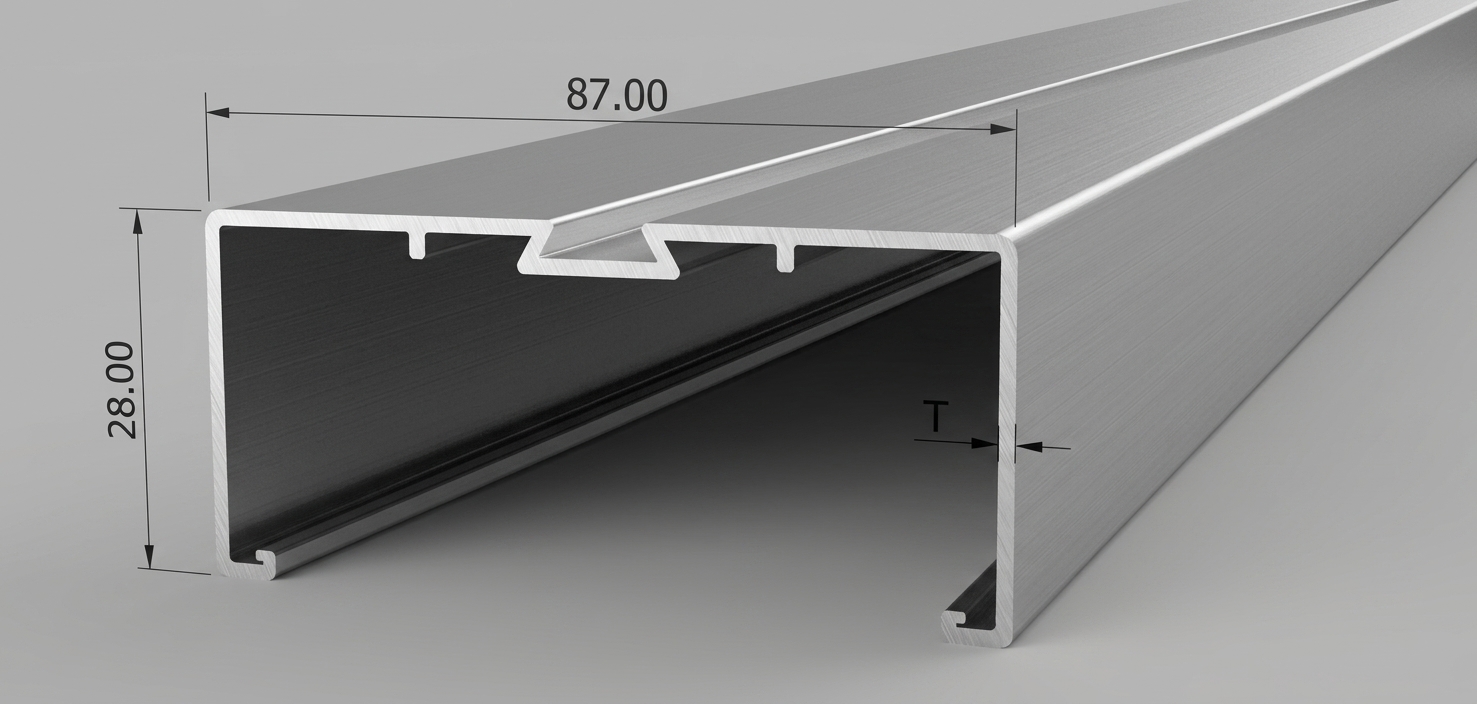
T = 1.00 mm
W = 0.738 Kg/m

Create sleek, modular, and professional interior spaces with our high-quality aluminium partition extrusions. Engineered for seamless integration with glass and acoustic panels.
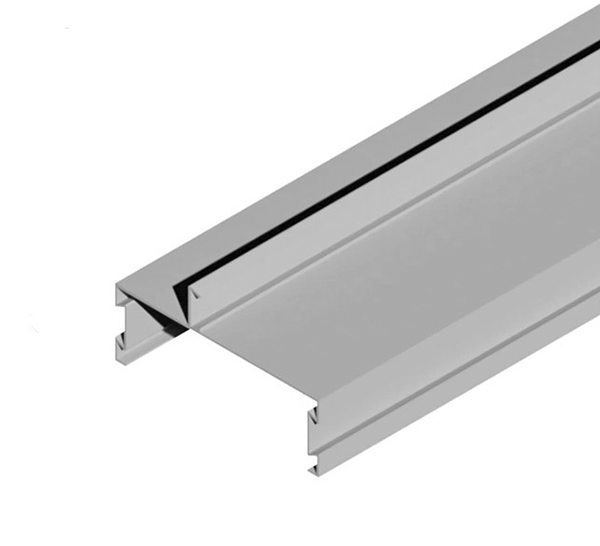
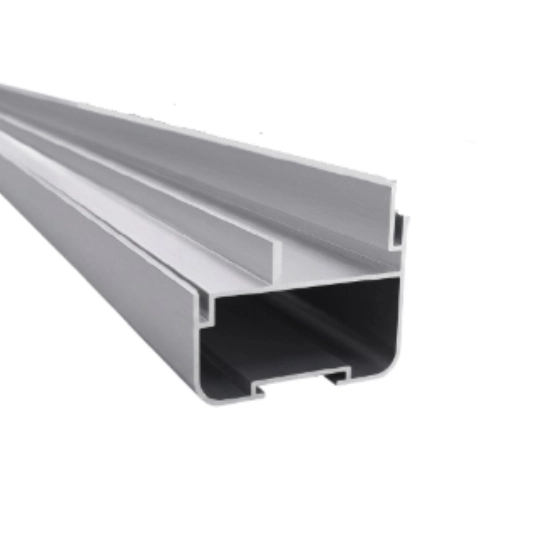
Description: Transform any open-plan layout with our premium aluminium partition profiles. Designed for rapid assembly and superior structural stability, our profiles accommodate single or double-glazed glass, acoustic panels, and standard drywall for versatile and stylish room division.
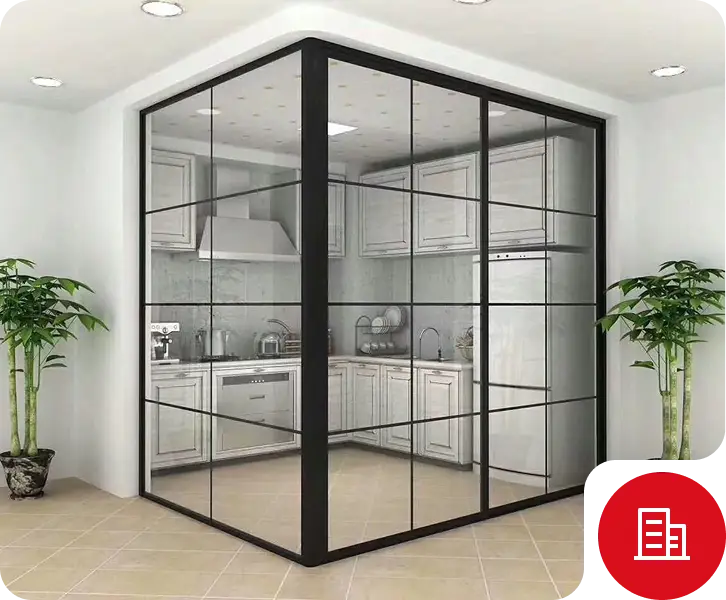
Corporate office dividers: Creating private workstations in open-plan spaces.
Glass meeting rooms: Framing for sound-proof, full-vision conference rooms.
Commercial enclosures: Elegant separation for retail spaces and showrooms.
Cubicle frameworks: Low-height partitions for collaborative environments.
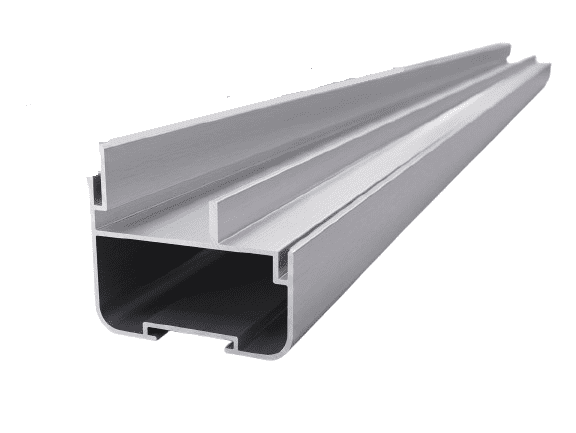
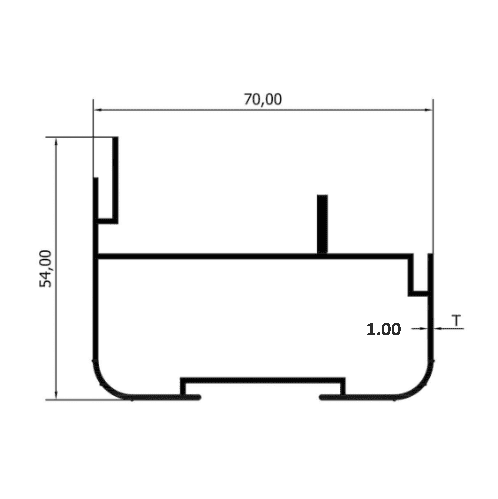
T = 1.00 mm
W = 0.738 Kg/m
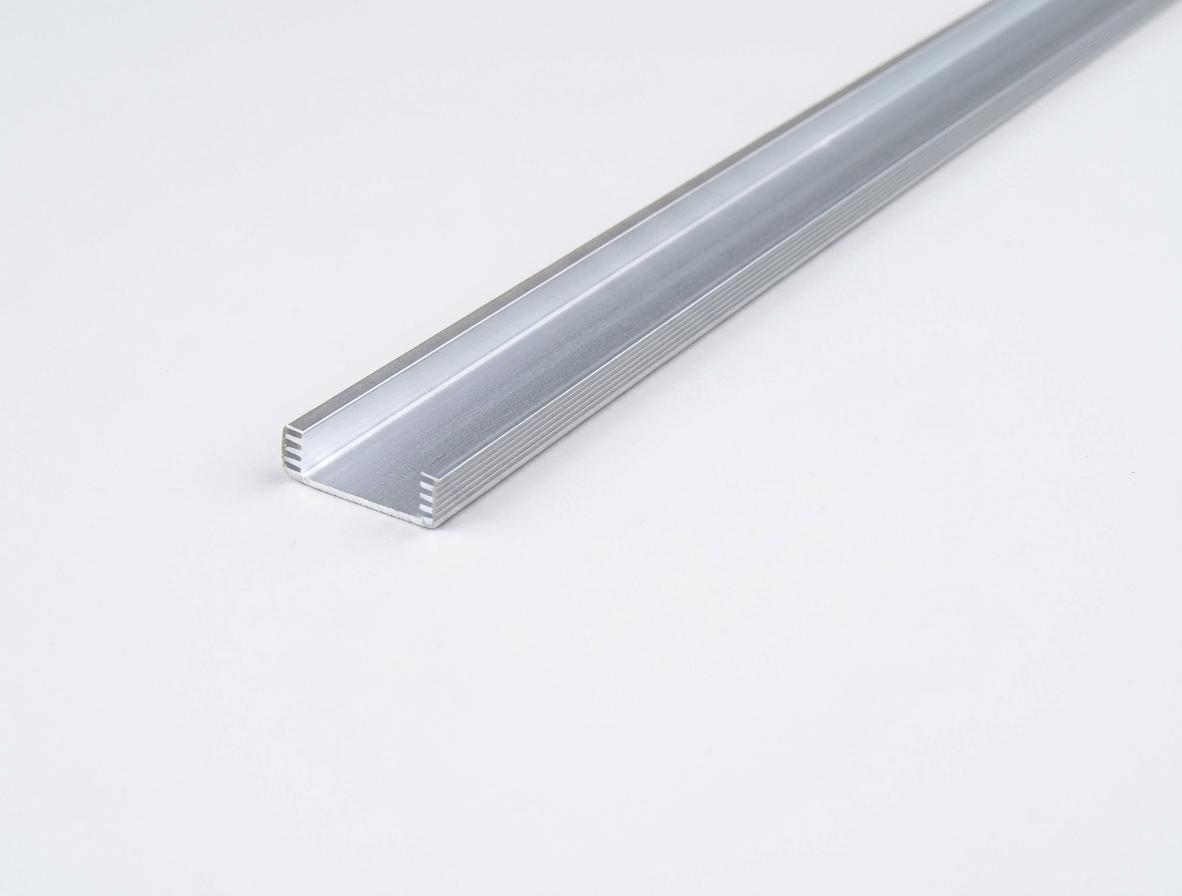
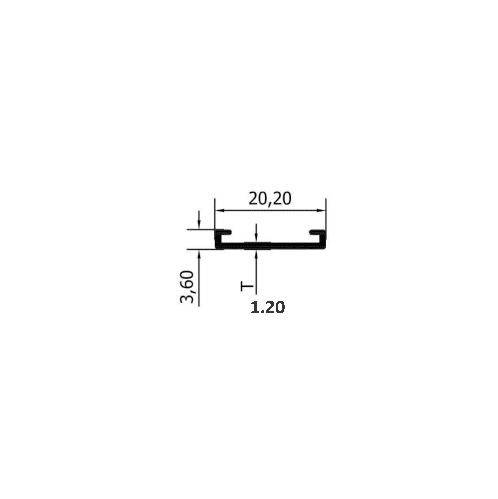
T = 1.20 mm
W = 0.090 Kg/m
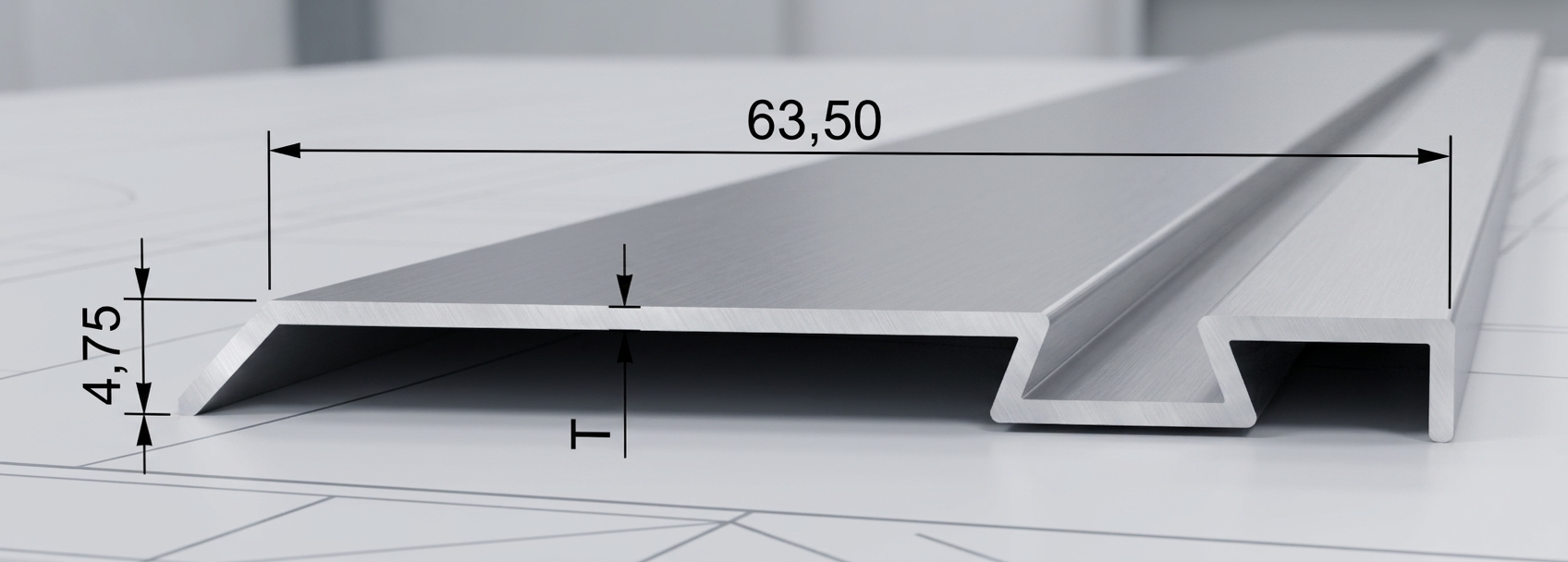
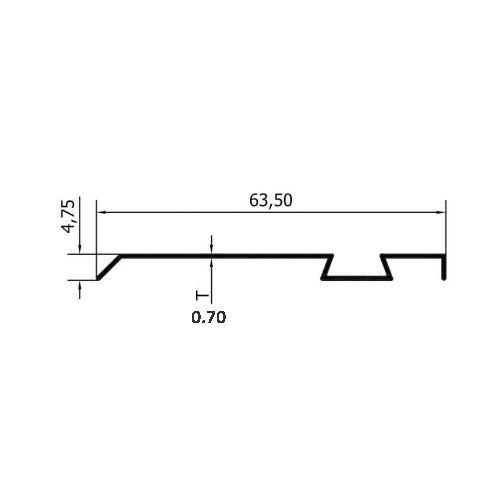
T = 0.70 mm
W = 0.153 Kg/m
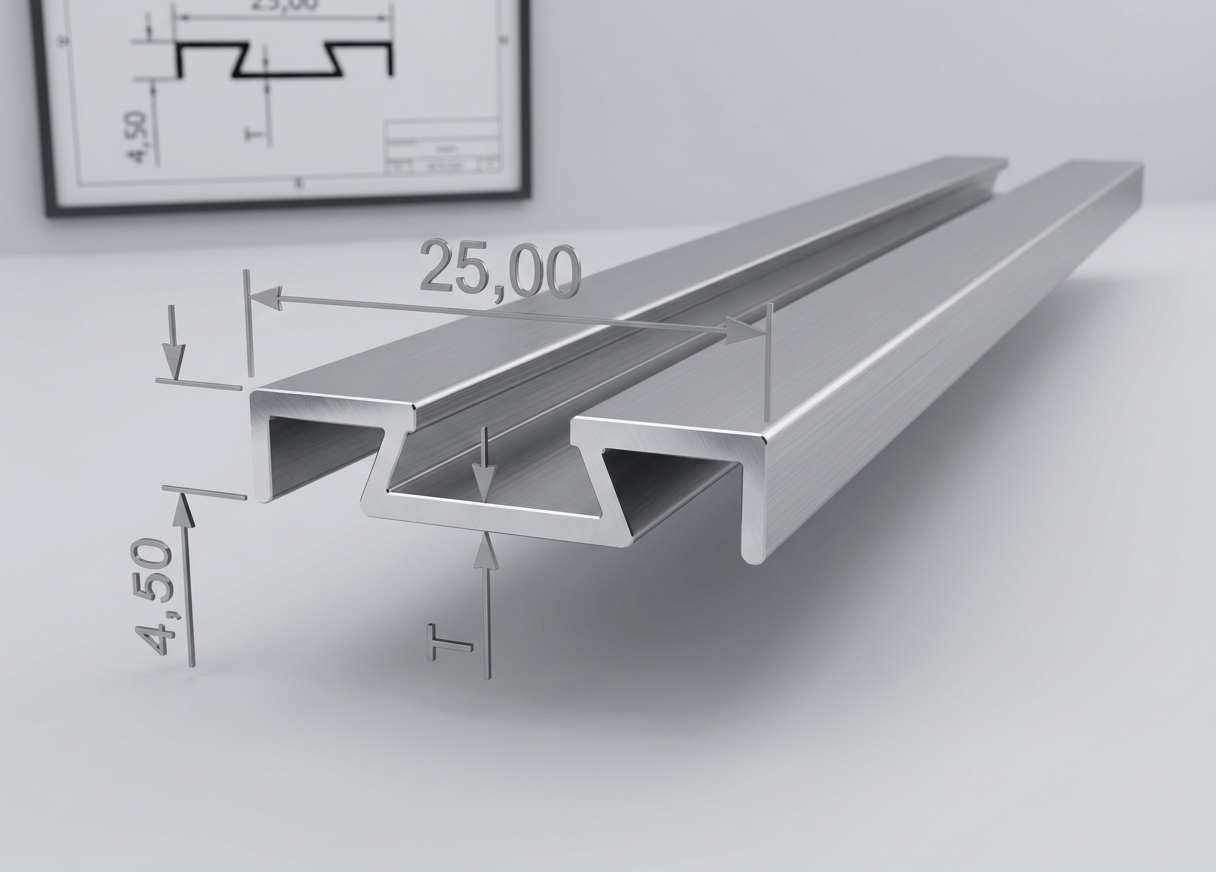
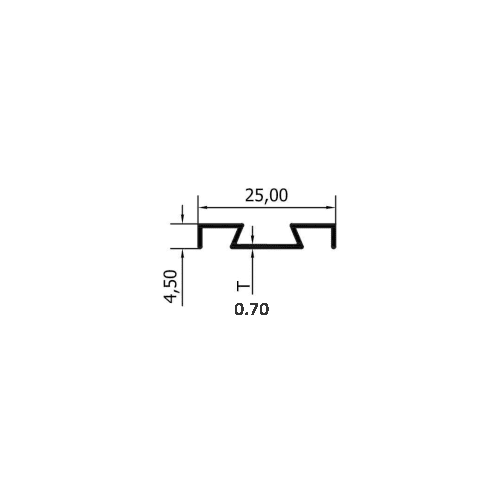
T = 0.70 mm
W = 0.083 Kg/m
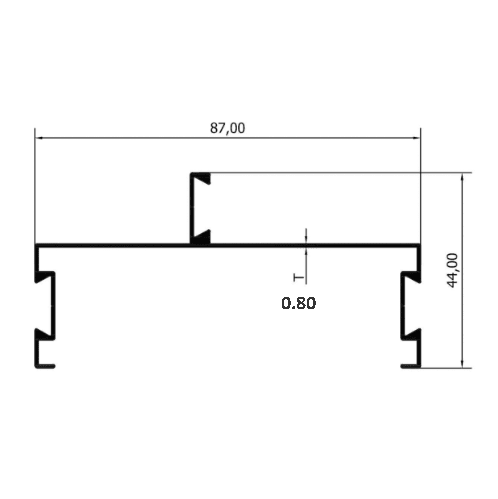
T = 0.80 mm
W = 0.486 Kg/m
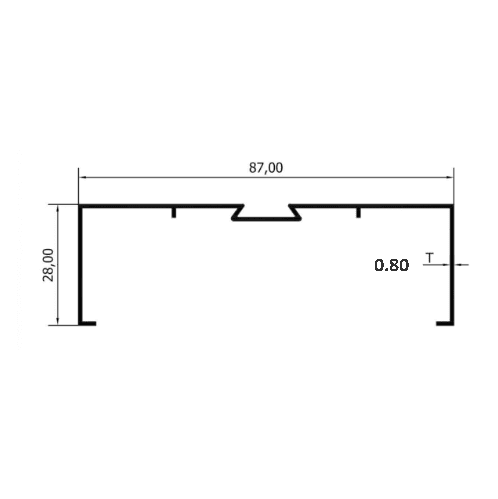
T = 0.80 mm
W = 0.354 Kg/m
Aluminium material with a solid structure that provides high resistance to pressure and heavy loads, making it ideal for industrial and construction requirements.
We provide a 30-day product quality guarantee to ensure you receive material that meets the highest standards and is free from production defects.
Available in anodizing, powder coating, and mill finish options, offering durability and a clean appearance for various applications.
Aluminium offers excellent formability, allowing it to be easily shaped and fabricated into various designs without compromising strength ideal for custom and complex applications.
Bring design to us and we can turn your ideas into precise, high-quality aluminium solutions. Custom sizes, specification and finishing tailored to your project needs.
Our systems are designed to hold standard commercial glass thicknesses, typically ranging from 10mm to 12mm, as well as double-glazing options.
Yes, our modular design allows for straightforward dismantling and reconfiguration without damaging the profiles.
We manufacture profiles designed to accommodate double-glazing and acoustic seals, which significantly reduce sound transmission.
Matte black, natural anodized silver, and crisp white powder coat are our most requested finishes for modern interiors.
Yes, we can extrude and cut profiles to accommodate floor-to-ceiling designs up to our standard maximum extrusion length (usually 6 meters).
Yes, we can supply complete profile kits including the necessary EPDM or silicone glazing wedges upon request.
Exalum Metal is an Indonesian aluminium extrusion manufacturer based in Tangerang, supplying aluminium profiles for residential, commercial, industrial, and architectural applications. Contact our team to discuss your partition profile requirements.
An aluminium partition wall is the fastest honest answer to a question every growing office eventually asks: how do we divide this space without committing to it forever? The system is a kit of extruded aluminium profiles, floor and ceiling tracks, vertical posts, glazing beads, and door frames, that assembles into full-height walls of glass or solid panel, and disassembles again when the floor plan changes. We extrude partition profiles at our facility in Indonesia, supplying the frame systems that partition fabricators and fit-out contractors build into finished walls.
Strip the glass away and the system is four families of extrusion doing four jobs. Head and base channels fix to the ceiling and floor and carry the wall's line, with adjustment at the base to absorb the slab's unevenness, because no real floor is flat. Vertical posts and mullions divide the run into modules and carry the panels. Glazing beads and gaskets grip the glass without metal ever touching it. Door frames hang the swing or sliding leaf that makes the room a room.
Every part arrives cut to length, assembles with mechanical fixings, and leaves the slab, the ceiling grid, and the building's structure exactly as it found them. That last point is the entire philosophy of the product.
Partition is a rare term that needs no translation between British and American English: a partition in London is a partition in Texas, with only the aluminium and aluminum spelling dividing the markets. The descriptors are where vocabularies drift. UK and Australian specifications lean on demountable partition, stressing that the wall comes down. American fit-out documents prefer movable walls and glass office fronts. All of them land on the same extrusions, and we quote against any of them.
Most real projects mix these in one run: solid below, glazed above, double-glazed around the boardroom. The profile system is what lets one supplier serve all four.
On day one, a stud and plasterboard wall is cheaper. We will not pretend otherwise. The comparison changes the first time the layout does. A drywall partition comes down as rubble and goes back up as a new trade package: wet works, dust, paint, and a week of disruption. A demountable aluminium partition comes down as components and goes back up across the corridor over a weekend, glass and all.
Our position: price the partition over two layout changes, not one installation, and the aluminium system wins in any office that is still growing. Companies that have never moved a wall buy drywall. Companies that have, do not buy it twice.
Meeting rooms fail on acoustics, never on style, so the sound number should lead the specification. As working ranges: a single-glazed partition with 10 or 12 mm toughened glass typically delivers a weighted sound reduction in the low-to-mid 30s dB, enough for general office division. Double-glazed modules reach the low-to-mid 40s, which is boardroom and HR-conversation territory. The frame matters as much as the glass: gaskets, base seals, and how the head detail closes against the ceiling decide whether the glass's rating survives installation. Tell us the conversation the room needs to contain, and the profile and glazing recommendation follows from that.
Fabricators and fit-out contractors buy this product three ways: standard system profiles cut to size against a floor plan, modified sections from our die library where a project's details demand it, and fully custom dies for firms running their own proprietary partition system. All three routes start the same way. Send the layout, the acoustic target, and the glazing spec, and our team will reply with a profile schedule, price, and lead time from our factory and warehouse in Indonesia.
For the soft division that some spaces need instead of walls, ceiling-hung room dividers run on the profiles at our Curtain Track page.