
Precision-engineered aluminium unequal channels offering superior strength-to-weight ratio, versatility, and corrosion resistance for diverse industrial and architectural frameworks.
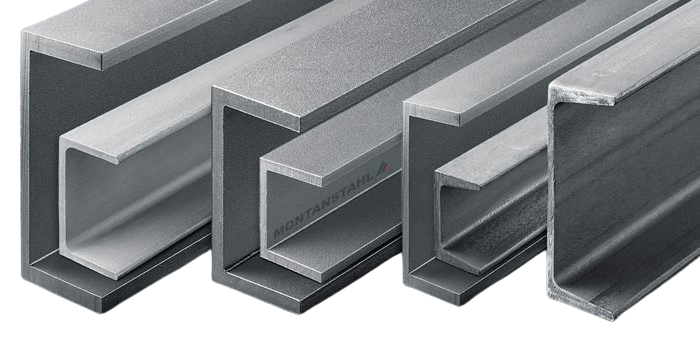
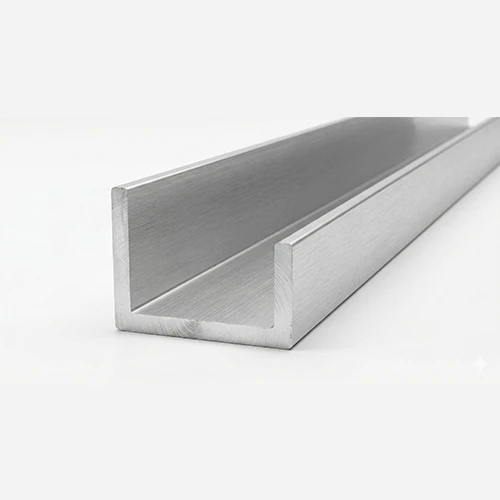
Our aluminium unequal channels (U-channels with asymmetric legs) are extruded to exact tolerances. They provide the ideal solution for structural applications where standard symmetrical channels fall short, ensuring optimal load distribution and seamless aesthetic integration.
Structural framing: Providing asymmetrical support for complex load-bearing structures.
Architectural trims: Creating sleek, modern edges and protective borders.
Custom brackets: Ideal for specialized mounting solutions in construction.
Marine & Automotive: Lightweight frameworks resistant to harsh environments.
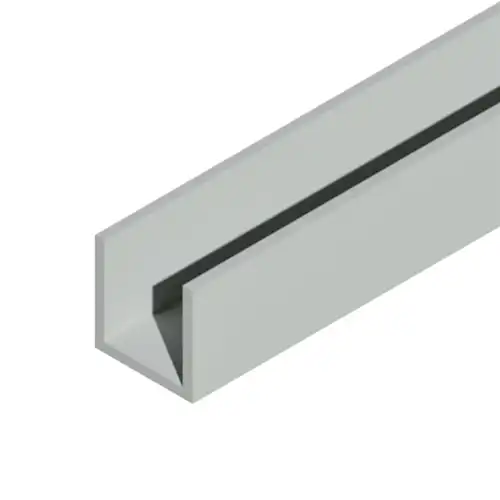
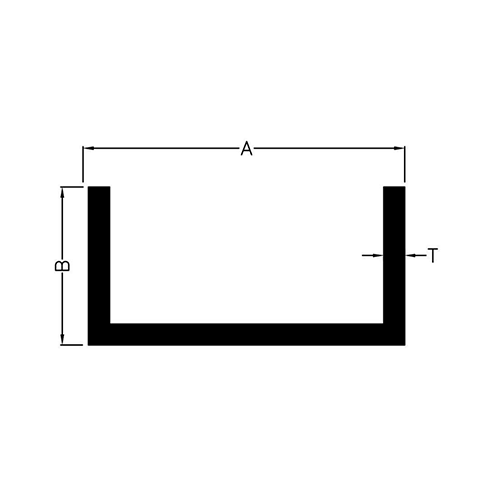
| SECTION | A (mm) | B (mm) | T (mm) | W (Kg/m) |
|---|---|---|---|---|
| 31021 | 15.20 | 9.10 | 1.00 | 0.085 |
| 32032 | 25.40 ( 1") | 12.70 (1/2") | 0.90 | 0.119 |
| 32042 | 50.80 (2") | 12.70 (1/2") | 0.90 | 0.182 |
| 32052 | 38.10 (1-1/2") | 25.40 (1 ") | 0.90 | 0.212 |
| 32053 | 101.60 (4") | 19.05 (3/4") | 0.90 | 0.336 |
Aluminium material with a solid structure that provides high resistance to pressure and heavy loads, making it ideal for industrial and construction requirements.
We provide a 30-day product quality guarantee to ensure you receive material that meets the highest standards and is free from production defects.
Available in anodizing, powder coating, and mill finish options, offering durability and a clean appearance for various applications.
Aluminium offers excellent formability, allowing it to be easily shaped and fabricated into various designs without compromising strength ideal for custom and complex applications.
Bring design to us and we can turn your ideas into precise, high-quality aluminium solutions. Custom sizes, specification and finishing tailored to your project needs.
It is an extruded U-shape profile where one vertical leg is longer than the other, offering specialized structural support.
We typically extrude using 6061 or 6063 alloys for the best balance of strength, finish, and machinability.
Yes, Exalum Metal specializes in custom extrusions tailored to your exact project requirements.
Absolutely. Our aluminium profiles are naturally corrosion-resistant, and we offer anodized finishes for extreme weather protection.
Our standard extrusion length is typically up to 6 meters, but we can cut to your specific requirements.
Yes, we offer a variety of finishes including mill finish, anodized, and custom powder coating.
Exalum Metal is an Indonesian aluminium extrusion manufacturer based in Tangerang, supplying aluminium profiles for residential, commercial, industrial, and architectural applications. Contact our team to discuss your unequal channel profile requirements.
An aluminium unequal channel solves a problem that flat bars and angles cannot: it grips a panel from three sides while showing a different face on each side. The profile is a U-shaped extrusion with a flat base (the web) and two upright flanges of different heights. Short flange out, long flange in. That single design decision is why this channel shows up wherever a panel edge needs protection on one side and a slim sightline on the other. We extrude unequal channels at our facility in Indonesia, in 6063 and 6061, from stock dies and from customer drawings.
Picture the cross-section as a letter U with one arm shorter than the other. Three dimensions define it: the web width (the distance across the base), the two flange heights, and the wall thickness. A 25 × 20 × 12 × 2 mm profile, for instance, has a 25 mm web, a 20 mm flange on one side, a 12 mm flange on the other, and 2 mm walls throughout.
Because the profile is extruded as one piece, the corners are sharp internal junctions with continuous grain. No welds, no folds, no seams to fail. A panel seated in the channel bears against solid metal on all three faces.
The same profile carries three names depending on where the purchase order comes from.
In the UK, Australia, Canada, and most of Europe, the product family is simply called channels, and this profile is an unequal channel or unequal leg channel. In the United States, buyers search for a U channel, with the unequal version specified as an unequal U channel. You will also meet C-channel in both markets, a looser term that sometimes refers to the same open profile and sometimes to a channel with inturned lips, so we always confirm against a drawing rather than a name.
The extrusion itself is identical. We quote against whichever terminology your documents use.
Our position, after years of cutting these profiles to order: most buyers who request an equal channel for capping work actually want an unequal one. They just have not been offered it.
The logic mirrors the unequal angle. The long flange does the holding. It sits on the hidden side of a panel, gives fixings something to bite into, and resists the lever forces that try to pry a capped edge open. The short flange faces the room. It covers the panel edge, keeps the visible metal line slim, and stays out of the design's way. An equal channel in the same position wastes height on the visible side and forces the designer to live with a thicker reveal.
When the two faces genuinely share the same duty, the symmetric profile on our Equal Channel page is the right call.
One profile family, duties from decorative to mechanical. The specification has to follow the duty.
Parameter | Detail |
|---|---|
Web width | 12 to 100 mm |
Flange heights | From 10 mm, specified independently per side |
Wall thickness | 1.2 to 4 mm |
Standard length | 6 m (cut-to-size available) |
Alloys | 6063-T5 (architectural), 6061-T6 (structural) |
Finishes | Mill, anodised (15 micron architectural standard), powder-coated |
Channel extrusion tolerances follow standard 6000-series practice. If the panel thickness is critical, tell us the panel spec and we will hold the internal web dimension to suit it, including allowance for liners or glazing tape.
For capping, trim, and anything anodised on show, 6063-T5 is the default. It extrudes into thin flanges cleanly and takes the most even anodised finish. For guide rails under repeated mechanical load, or framing that carries structure, specify 6061-T6 and accept the slightly coarser finish. The strength gap between the two alloys is roughly 145 versus 240 MPa in yield, and a worn-through guide rail costs far more to replace than the alloy upgrade ever did.
Three routes to the profile you need, in order of involvement:
Most capping and edging jobs close at step one. Send your drawing or panel specification and our team will reply with an alloy recommendation, price, and lead time from our factory and warehouse in Indonesia. A sample length is available on request if you want to test the fit on your actual panel before committing to the run.