
A versatile solution with optimal strength and corrosion resistance for various industrial and construction needs. Designed to meet quality standards for excellent structural strength and superior finishing results.
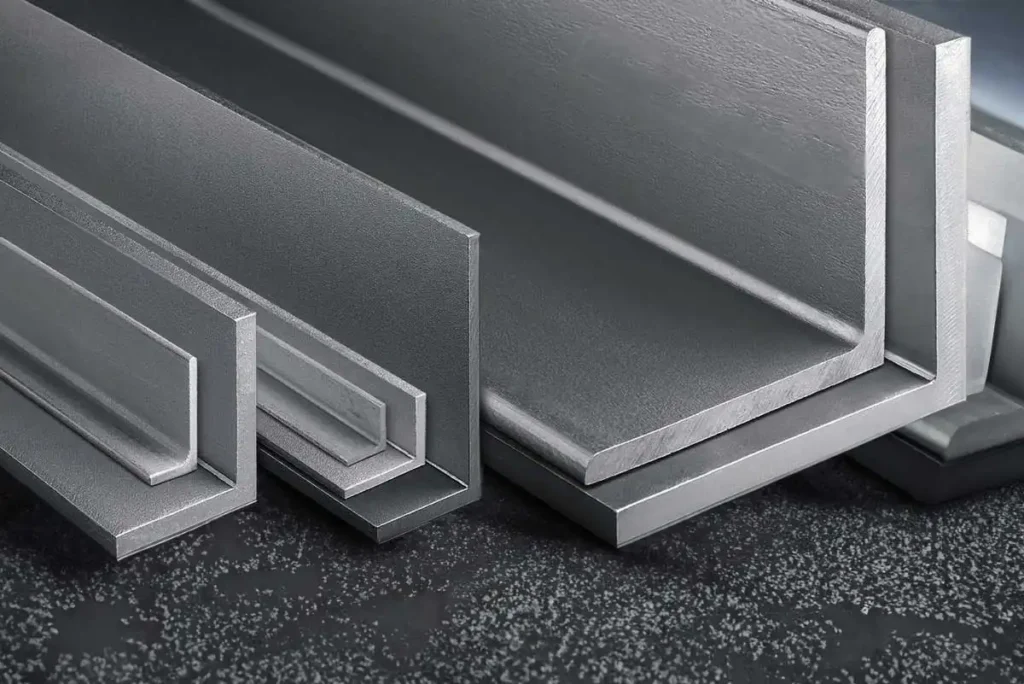
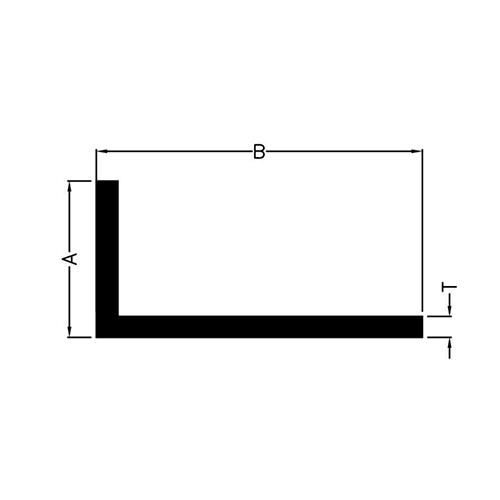
| SECTION | A (mm) | B (mm) | T (mm) | W (Kg/m) |
|---|---|---|---|---|
| 20094 | 24.00 | 50.00 | 4.00 | 0.759 |
| 21011 | 12.50 | 25.00 | 1.30 | 0.128 |
| 21012 | 11.80 | 25.00 | 1.40 | 0.134 |
| 21013 | 13.00 | 27.00 | 1.50 | 0.157 |
| 21014 | 20.00 | 30.00 | 2.50 | 0.322 |
| 21020 | 12.00 | 14.00 | 1.20 | 0.081 |
| 21030 | 12.70 (1/2") | 31.50 | 0.90 | 0.106 |
| 21040 | 15.00 | 29.00 | 1.70 | 0.195 |
| 21041 | 8.00 | 15.00 | 1.50 | 0.087 |
| 21060 | 15.00 | 80.00 | 5.00 | 1.22 |
| 22000 | 14.00 | 23.00 | 1.70 | 0.162 |
| 22011 | 13.50 | 27.00 | 1.50 | 0.158 |
| SECTION | A (mm) | B (mm) | T (mm) | R (mm) | W (Kg/m) |
|---|---|---|---|---|---|
| 21010 | 12.50 | 25.00 | 1.40 | 0.30 | 0.137 |
| 21050 | 8.00 | 100.00 | 1.00 | 0.30 | 0.289 |
| SECTION | A (mm) | B (mm) | T (mm) | W (Kg/m) |
|---|---|---|---|---|
| 20094 | 24.00 | 50.00 | 4.00 | 0.759 |
| 21011 | 12.50 | 25.00 | 1.30 | 0.128 |
| 21012 | 11.80 | 25.00 | 1.40 | 0.134 |
| 21013 | 13.00 | 27.00 | 1.50 | 0.157 |
| 21014 | 20.00 | 30.00 | 2.50 | 0.322 |
| 21020 | 12.00 | 14.00 | 1.20 | 0.081 |
| 21030 | 12.70 | 31.50 | 0.90 | 0.106 |
| 21040 | 15.00 | 29.00 | 1.70 | 0.195 |
| 21041 | 8.00 | 15.00 | 1.50 | 0.087 |
| 21060 | 15.00 | 80.00 | 5.00 | 1.220 |
| 22000 | 14.00 | 23.00 | 1.70 | 0.162 |
| 22011 | 13.50 | 27.00 | 1.50 | 0.158 |
Our aluminum can be used to create a wide range of your needs such as outdoor furniture, partition systems, rolling doors, and more. Elevate your outdoor living area with our premium aluminum furniture collection.
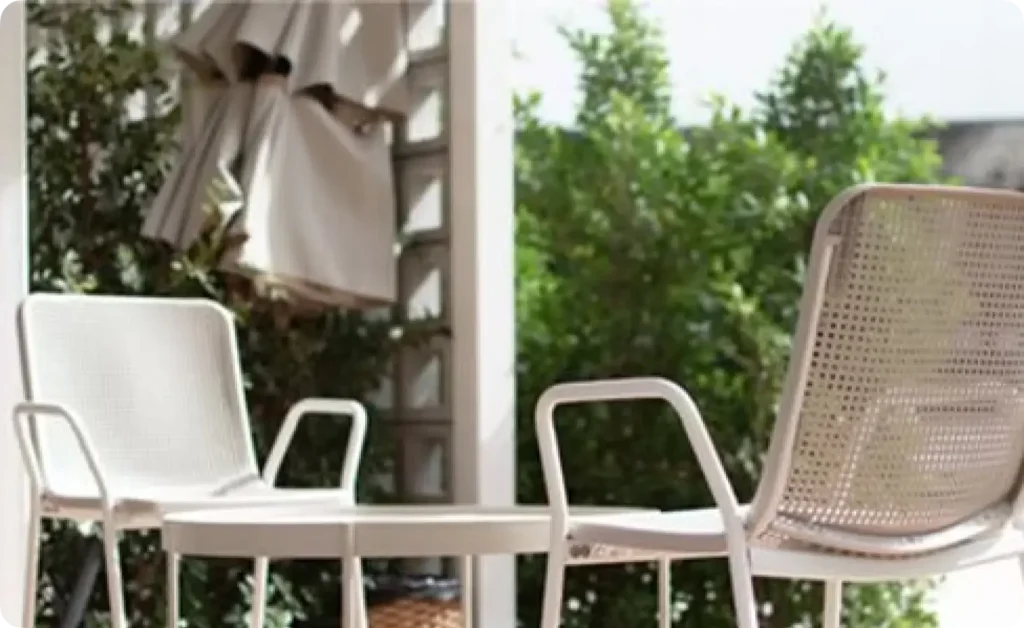
Aluminium material with a solid structure that provides high resistance to pressure and heavy loads, making it ideal for industrial and construction requirements.
We provide a 30-day product quality guarantee to ensure you receive material that meets the highest standards and is free from production defects.
Available in anodizing, powder coating, and mill finish options, offering durability and a clean appearance for various applications.
Aluminium offers excellent formability, allowing it to be easily shaped and fabricated into various designs without compromising strength ideal for custom and complex applications.
Bring design to us and we can turn your ideas into precise, high-quality aluminium solutions. Custom sizes, specification and finishing tailored to your project needs.
An aluminium unequal angle does one specific job better than any other profile: it joins two surfaces that need different amounts of grip. One leg long, one leg short, a clean 90° corner between them. Fabricators who have only ever stocked equal angles tend to treat the unequal version as a specialty item. It isn't. At Exalumetal, unequal angles come off the same presses as everything else we extrude in Indonesia, and on jobs where the two faces carry different duties, they are simply the correct specification.
The geometry is the definition. An unequal angle (also called an unequal leg angle) is an L-shaped extrusion where the two legs differ in length. A 50 × 25 × 3 mm profile, for example, gives you a 50 mm leg, a 25 mm leg, and a 3 mm wall throughout.
That asymmetry is deliberate. The long leg typically handles fixing: more surface for screws, rivets, or adhesive, and more stiffness against bending along the joint. The short leg does the lighter work, capping an edge, locating a panel, or closing a gap. Two legs, two jobs.
Here is the position we will defend: cutting down one leg of an equal angle on site is the most expensive way to make an unequal angle. You pay for aluminium you then turn into swarf, you add a fabrication step, and the cut edge needs deburring before anyone handles it. We have seen workshops do this for years out of habit.
An extruded unequal profile costs roughly the same per kilogram as an equal one, arrives with both edges factory-finished, and weighs less because the metal sits only where the design needs it. On a run of a few hundred brackets, that weight difference compounds into real freight and material savings.
If your application genuinely needs symmetric legs, our Equal Angle page covers that profile in detail.
The product terminology is consistent worldwide; the metal's spelling is not.
In the UK, Australia, Canada, and most of Europe, buyers search for an aluminium unequal angle. In the United States, the same profile is an aluminum unequal angle. The descriptors "unequal angle" and "unequal leg angle" mean the same thing in both markets, so a drawing from London and a drawing from Texas will specify an identical extrusion under two slightly different names.
We export to both markets from Indonesia and quote against whichever spelling your documents use.
Four applications dominate our order book for this profile:
Parameter | Detail |
|---|---|
Common leg sizes | 25 × 12, 40 × 20, 50 × 25, 75 × 50, 100 × 50 mm |
Wall thickness | 1.6 to 6 mm |
Standard length | 6 m (cut-to-size available) |
Alloys | 6063-T5 (architectural), 6061-T6 (structural) |
Finishes | Mill, anodised (15 micron architectural standard), powder-coated |
Non-standard leg ratios outside this table can be extruded from our existing die library or from a new custom die.
The split is simple and worth getting right. 6063-T5, with a typical yield strength near 145 MPa, is the choice for trim, capping, and visible architectural work because it anodises cleanly. 6061-T6 yields at around 240 MPa and belongs on anything structural: load-bearing brackets, bolted frames, components under sustained stress.
A useful habit when specifying: decide the alloy from the long leg's duty, not the short leg's. The long leg is almost always the loaded member. If it carries structure, the whole profile should be 6061, even if the short leg only caps an edge.
Buying from an extrusion supplier rather than a stockist changes what "available" means. Three service levels apply to every unequal angle order:
Lead time and tooling cost scale with those levels, and most orders never go past the first. Send us your drawing or cutting list and we will respond with an alloy recommendation, pricing, and delivery schedule from our factory and warehouse in Indonesia. If you would rather test the material first, request a sample length before placing the order.