T = 0.80 mm
W = 0.144 Kg/m

A versatile solution with optimal strength and corrosion resistance for various industrial and construction needs. Designed to meet quality standards for excellent structural strength and superior finishing results.
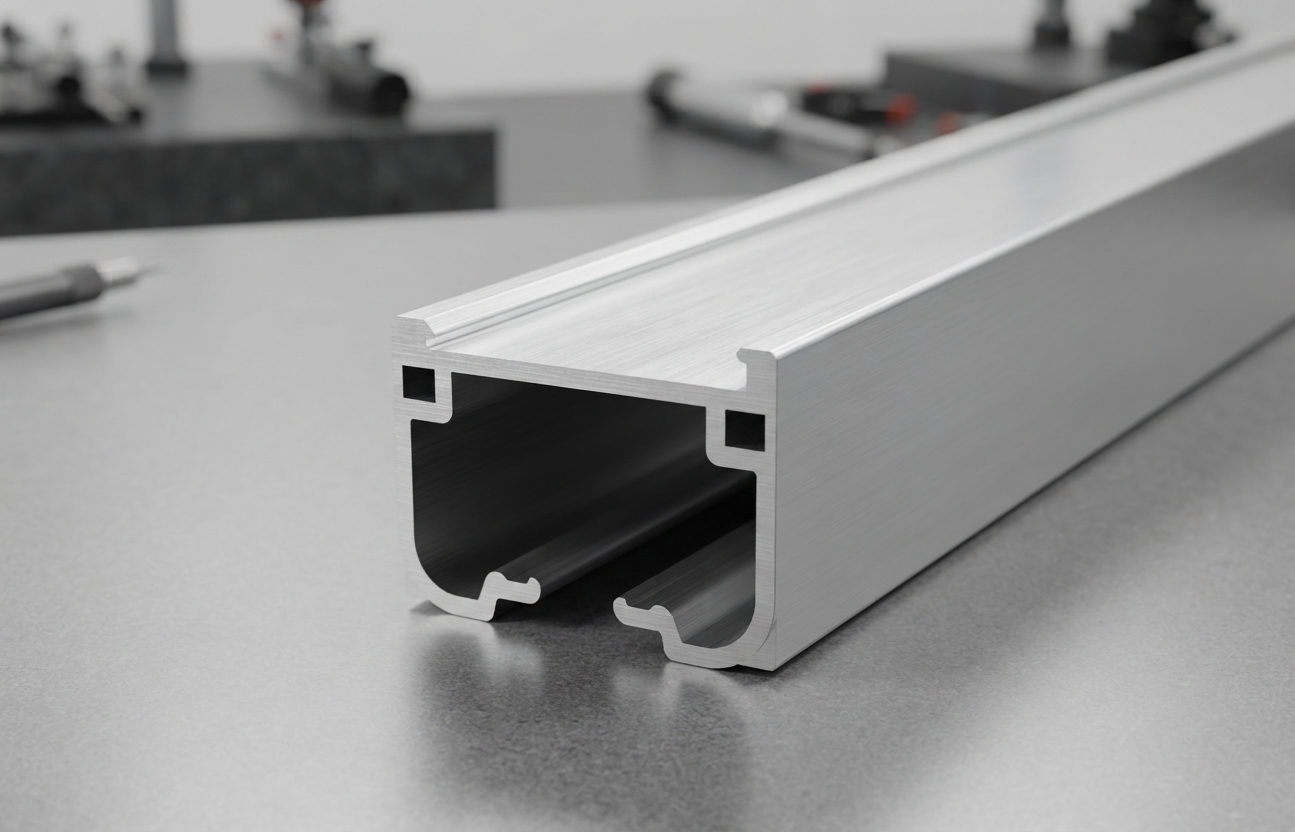
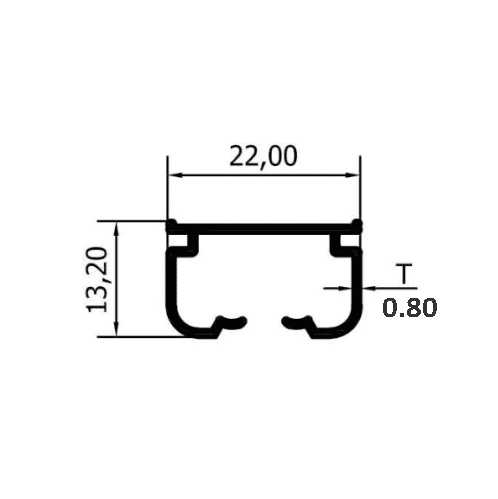
T = 0.80 mm
W = 0.144 Kg/m
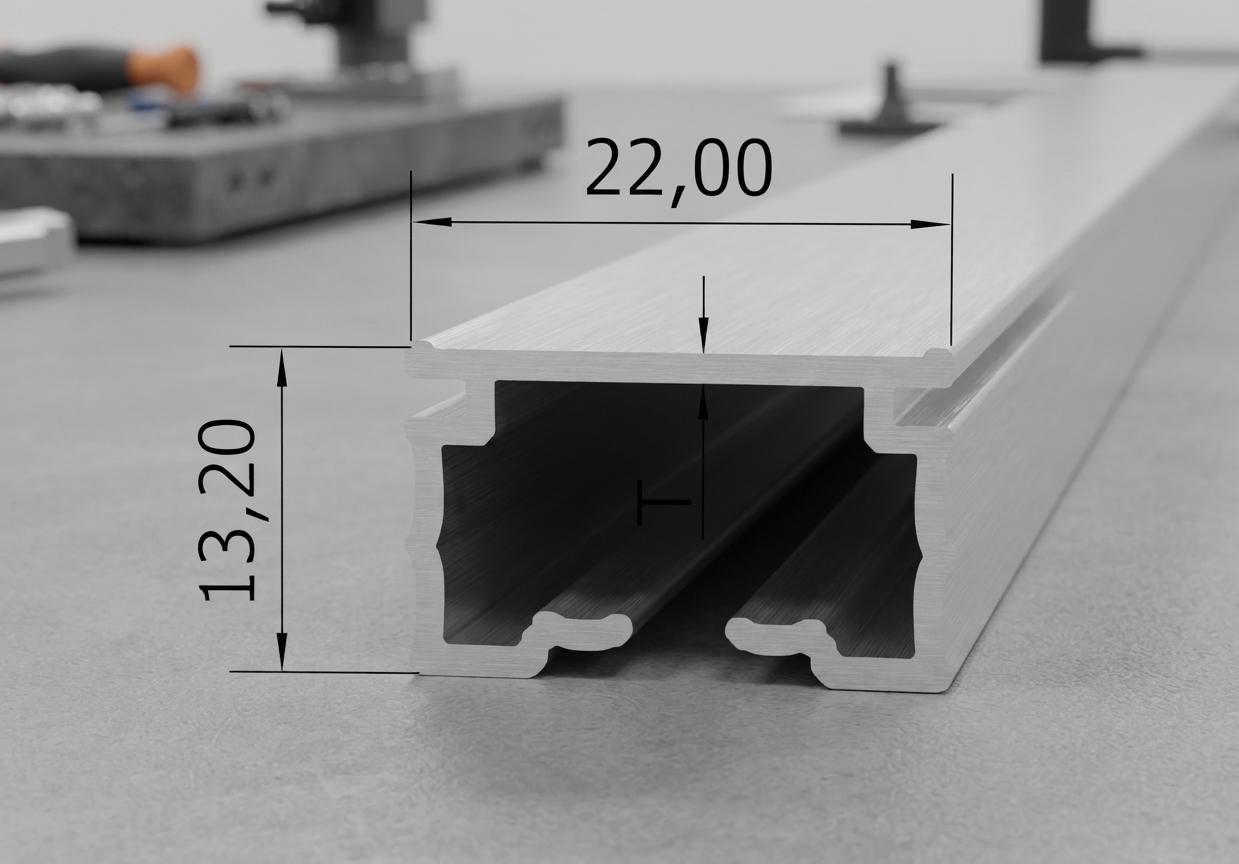
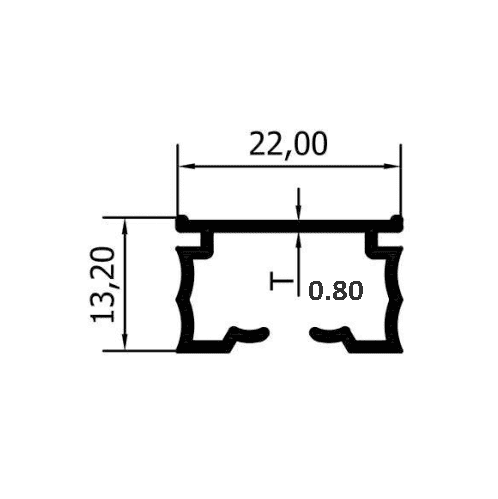
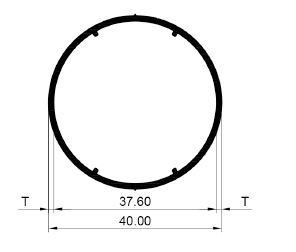
T = 0.80 mm
W = 0.150 Kg/m
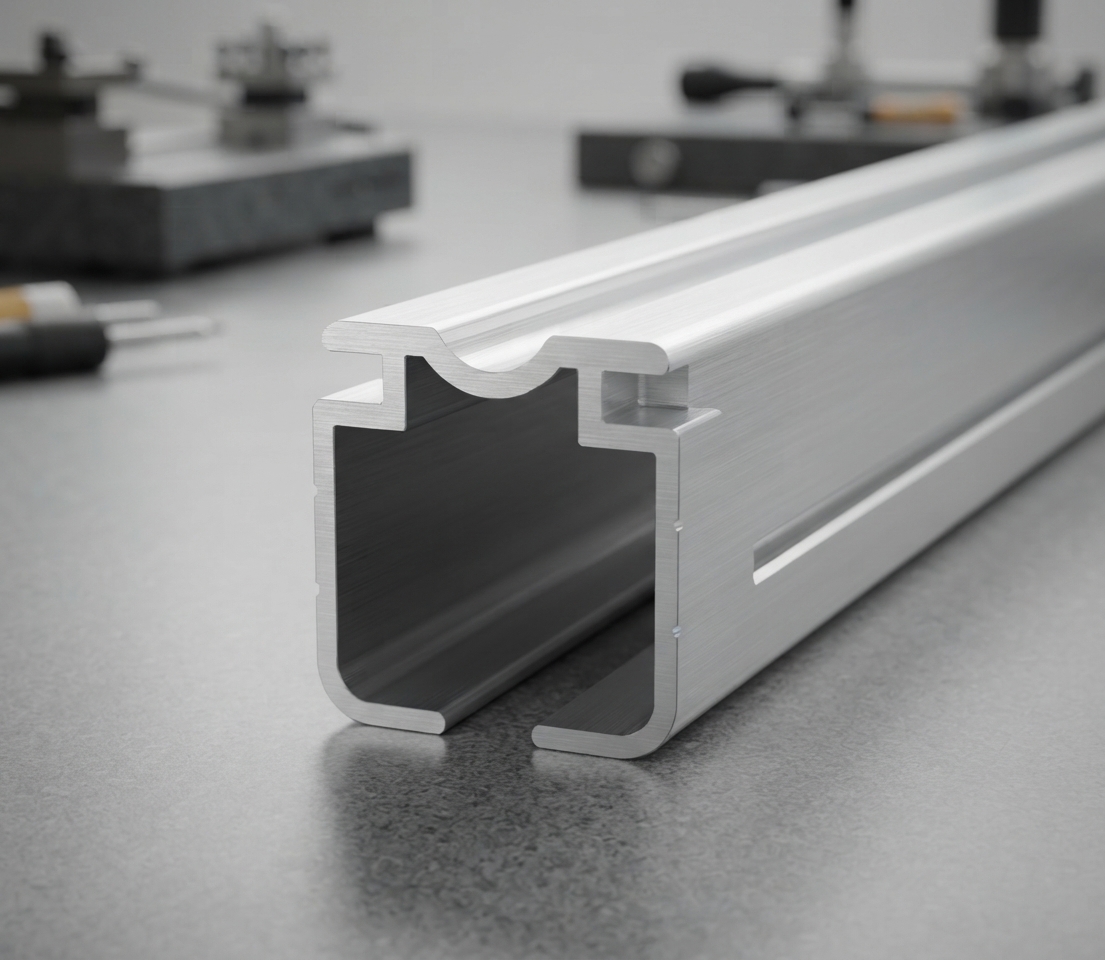
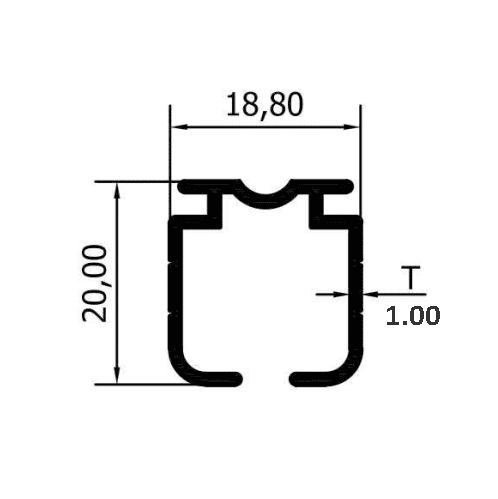
T = 1.00 mm
W = 0.195 Kg/m
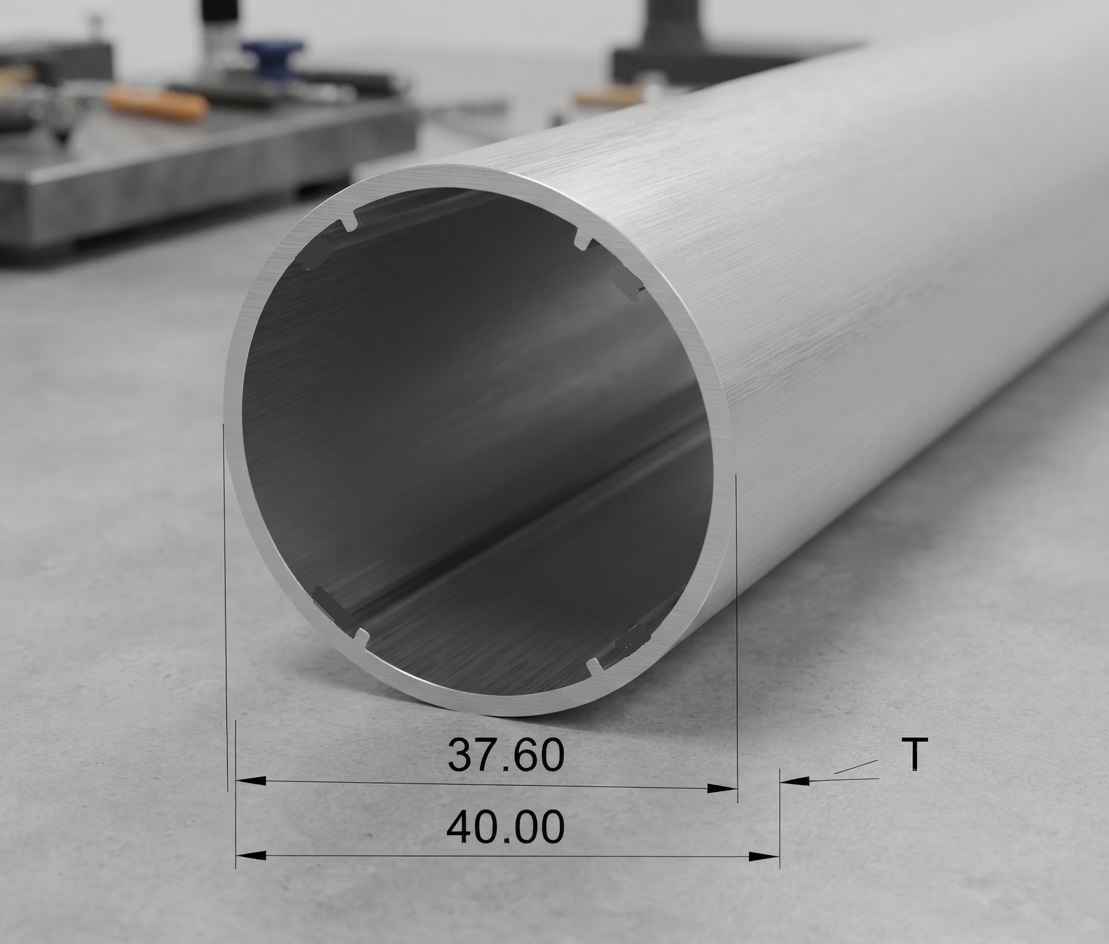
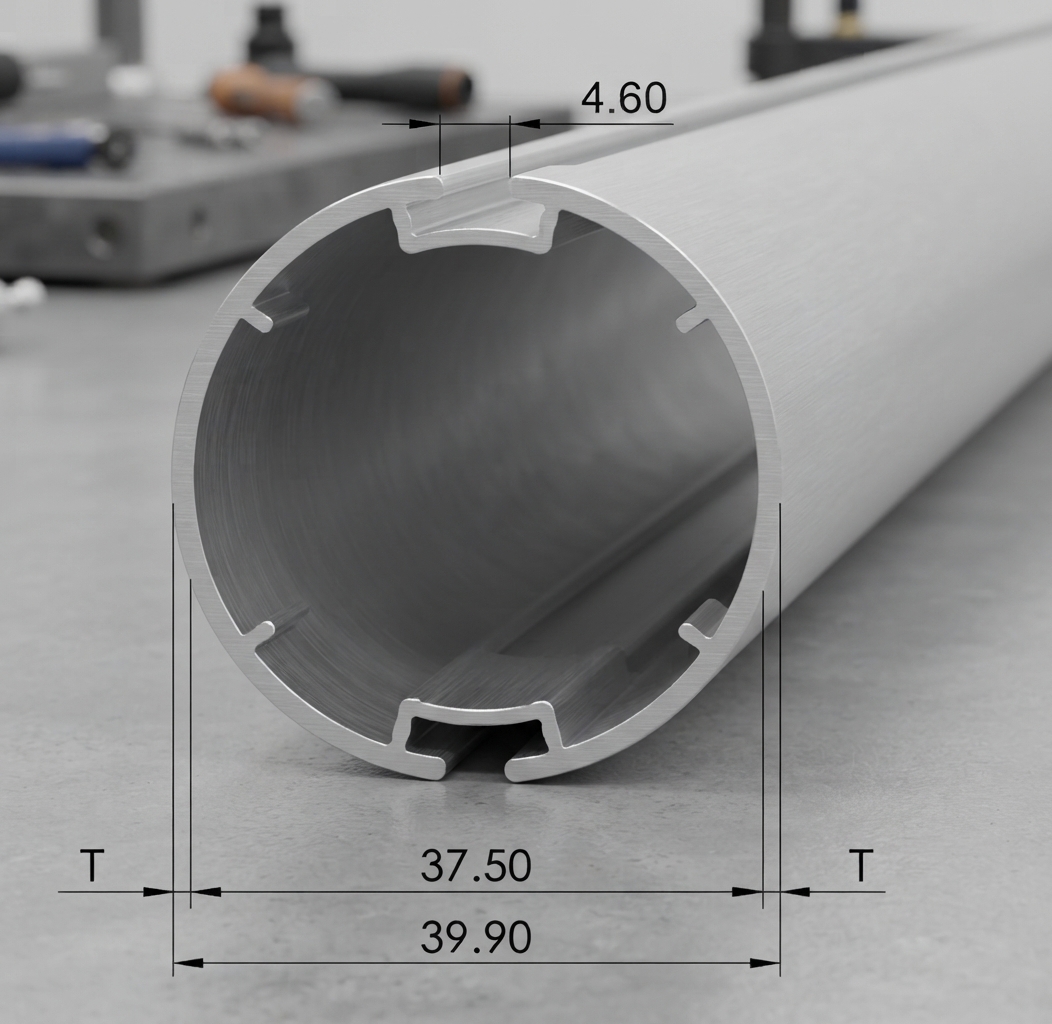
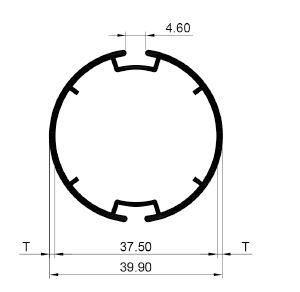
T = 1.20 mm
W = 0.406 Kg/m
T = 1.20 mm
W = 0.445 Kg/m
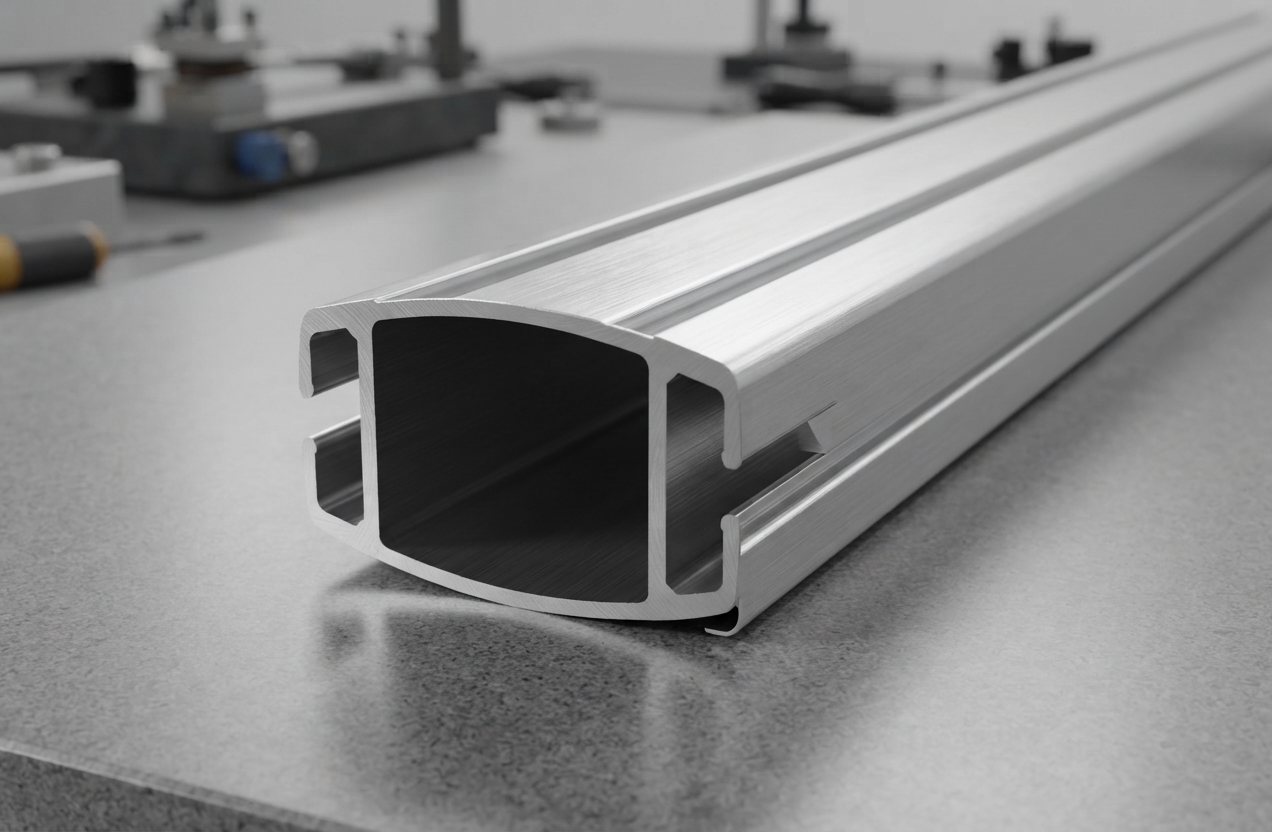
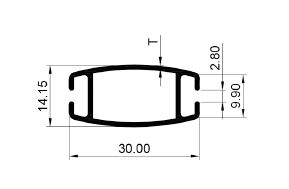
T = 0.90 mm
W = 0.231 Kg/m
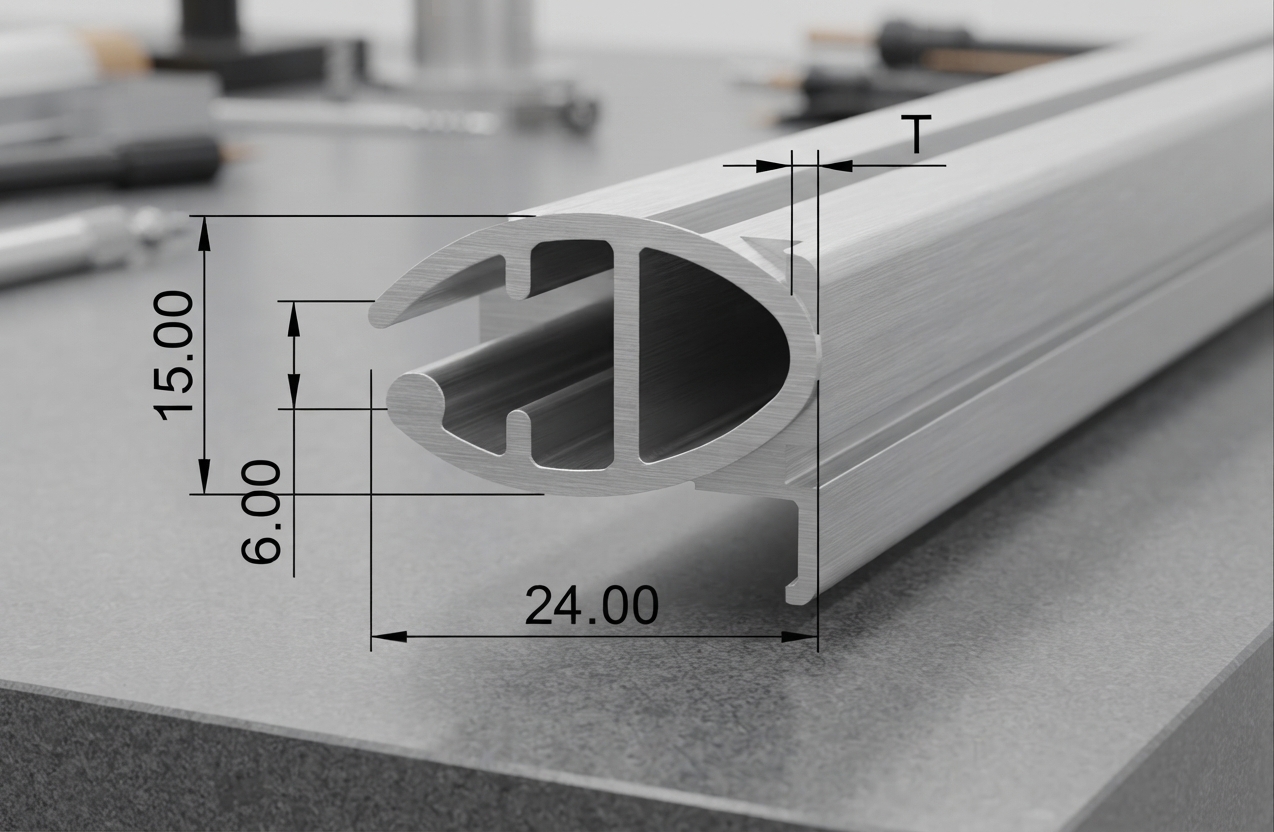
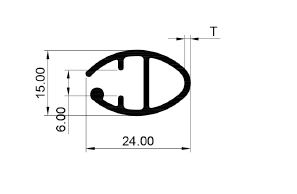
T = 1.20 mm
W = 0.238 Kg/m
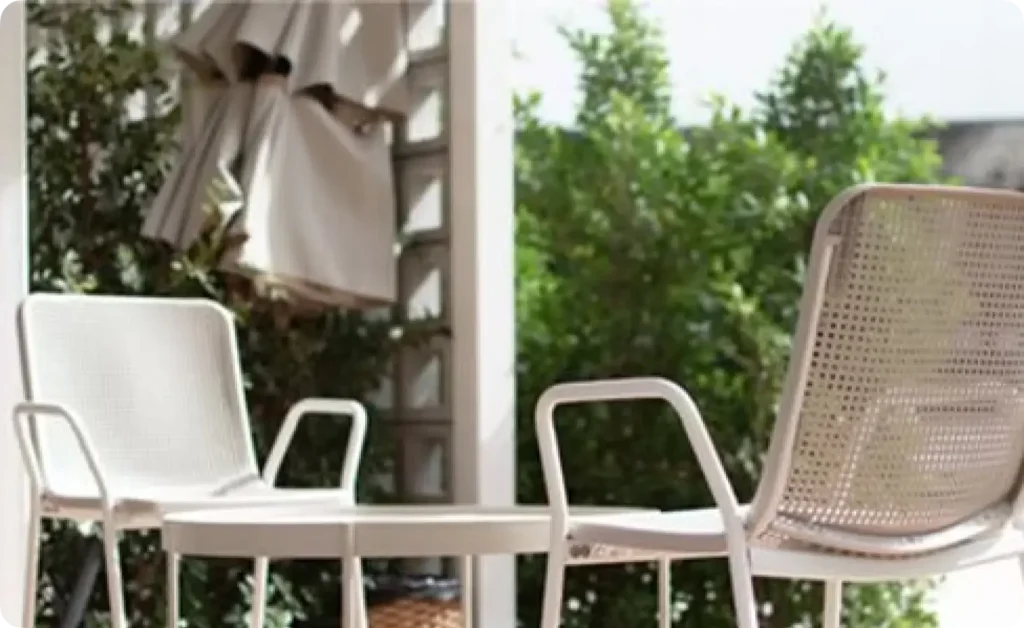
Our aluminum can be used to create a wide range of your needs such as outdoor furniture, partition systems, rolling doors, and more. Elevate your outdoor living area with our premium aluminum furniture collection.
Aluminium material with a solid structure that provides high resistance to pressure and heavy loads, making it ideal for industrial and construction requirements.
We provide a 30-day product quality guarantee to ensure you receive material that meets the highest standards and is free from production defects.
Available in anodizing, powder coating, and mill finish options, offering durability and a clean appearance for various applications.
Aluminium offers excellent formability, allowing it to be easily shaped and fabricated into various designs without compromising strength ideal for custom and complex applications.
Bring design to us and we can turn your ideas into precise, high-quality aluminium solutions. Custom sizes, specification and finishing tailored to your project needs.
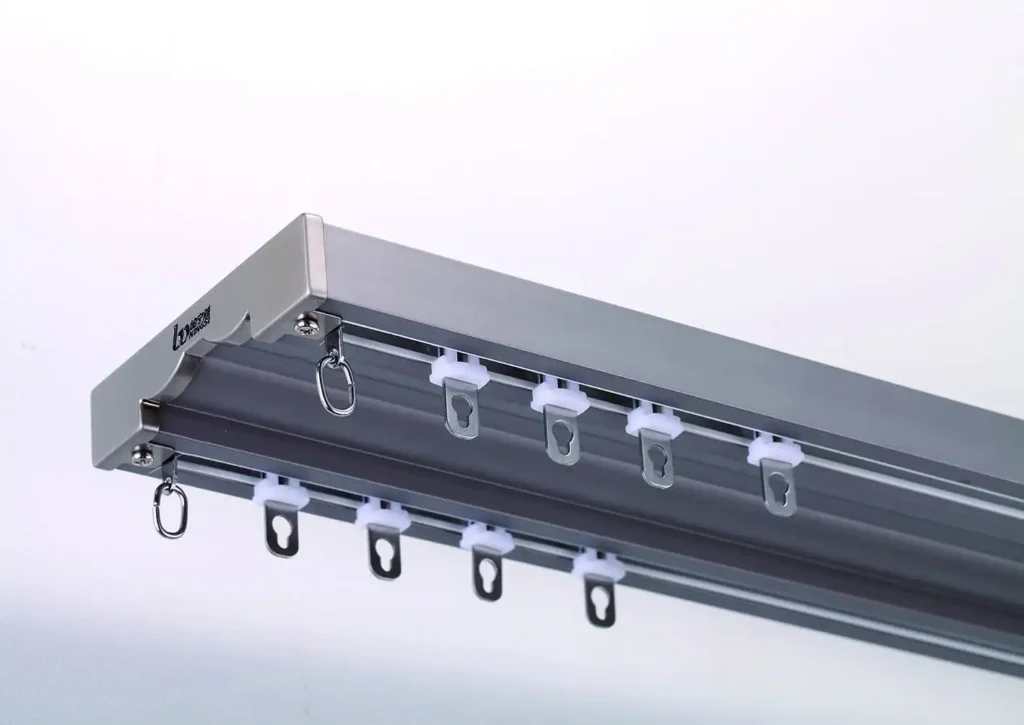
An aluminium curtain track, called a curtain rail through most of the UK, is the slim extruded channel that makes a curtain glide instead of drag. The track itself disappears: a narrow profile fixed to ceiling or wall, with glider carriers running inside a concealed slot and the fabric hanging below. Everything the eye enjoys about a well-hung curtain, the silent travel, the straight hem, the full floor-to-ceiling drop, is decided by this one extrusion. We produce curtain track and rail profiles at our facility in Indonesia, in straight, curved, heavy-duty, and motorised systems.
Both markets use both words, but each leans. British English defaults to curtain rail, the older term; American English says curtain track, and drapery track in the trade. Underneath the lean sits a useful distinction worth knowing before you order. In trade language, a rail or pole is the exposed bar that rings slide along, chosen to be seen. A track is the concealed channel this page covers: gliders run inside it, nothing decorative shows, and the curtain appears to hang from the ceiling itself. If your drawings say rail but describe hidden carriers, you want a track, and we quote it as one.
Five parts make the system. The track profile, an extruded channel with a narrow slot along its underside. Gliders or carriers, the small runners trapped inside the channel that the curtain hooks hang from. Brackets fixing the track to ceiling or wall. End stops keeping the gliders captive. And the drive: a hand, a drawing wand, a cord loop, or a motor, in ascending order of budget.
The track is the only structural member in that list, which is why its extrusion quality decides the system's behaviour. A channel that is straight, dimensionally consistent, and smooth inside runs quietly for decades. One that is not announces itself every morning.
Our position, learned from where tracks actually fail: buyers measure the window in centimetres and forget to weigh the fabric in kilograms. Sheer voile asks almost nothing of a track. Lined blackout and velvet drapes are a different cargo entirely, several kilograms per metre of track once the fullness is counted, and that load hangs from the channel's slot lips at every glider, all day, for years. Track failures are almost never breaks; they are sags between brackets that the gliders then climb on every pass. The fix costs nothing at enquiry: state the fabric, and the track gauge and bracket spacing follow. A heavy-duty profile with brackets at closer centres carries what a slim track at wide centres slowly surrenders to.
Ceiling fixing is the designer's default for good reason: the track vanishes, the curtain runs floor to ceiling in one uninterrupted plane, and a recessed channel can hide even the shadow line. Wall brackets remain the practical answer where the ceiling cannot be fixed into, or where the curtain must clear a deep sill or radiator. Both mounts come off the same track profiles; only the bracketry changes.
Plastic track is cheaper at the counter and pays it back slowly. It sags between brackets under any real fabric weight, its glider channel wears rough, and sunlight ages it brittle and yellow at exactly the spot the curtain exposes every day. An extruded aluminium track holds its line across wider bracket spacing, keeps its internal channel smooth for the life of the gliders, and takes anodised and powder-coated finishes that belong in the room rather than apologising in it. For motorised systems the comparison ends quickly: the motor's torque deserves a channel that does not flex.
Tracks ship cut to your exact run lengths, which matters more on this product than most: a join in a curtain track is a click under every glider forever, and a track cut to length has none. Curved runs are bent to your radius before despatch. The die library covers alternative profiles and recess details, and a custom die can produce a proprietary track section for furniture makers and fit-out systems. Send the run schedule, the fabric, and the drive preference, and our team will reply with a profile recommendation, price, and lead time from our factory and warehouse in Indonesia.
When the soft divider needs to become a real wall, the framed systems live on our Partition page.