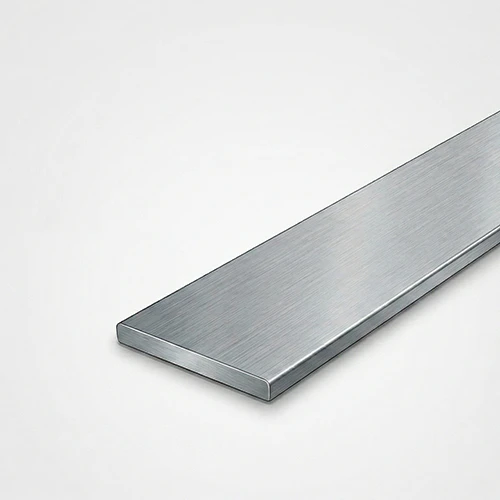
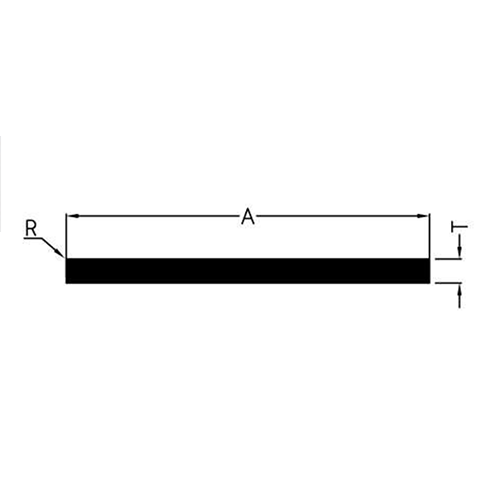
Flat Bar
A = 100.00mm
T = 1.5mm

A versatile solution with optimal strength and corrosion resistance for various industrial and construction needs. Designed to meet quality standards for excellent structural strength and superior finishing results.
Flat Bar
A = 100.00mm
T = 1.5mm
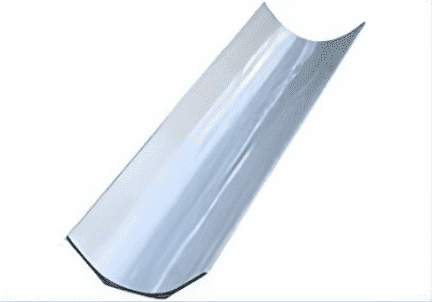
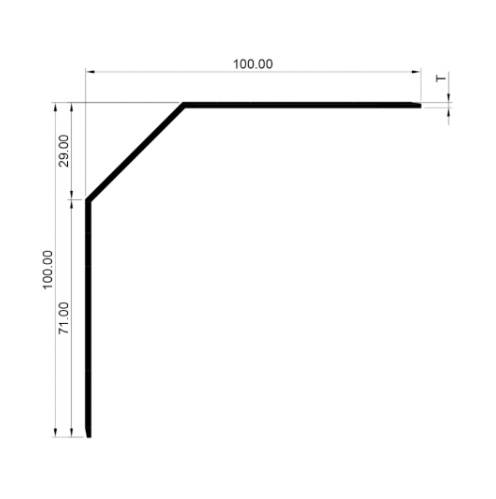
Corner
T = 1.50 mm
W = 0.734 Kg/m
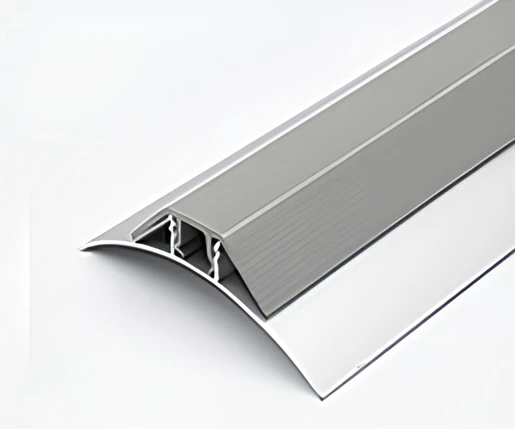
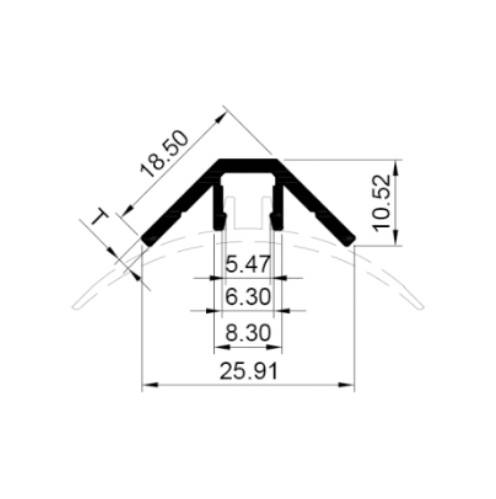
Internal Curving
T = 1.50 mm
W = 0.167 Kg/m
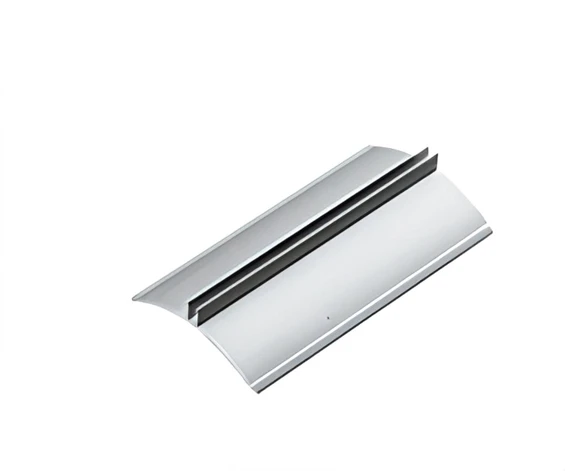
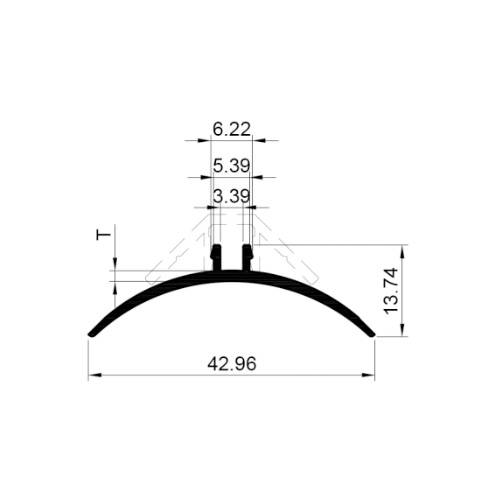
Internal Curving
T = 1.60 mm
W = 0.193 Kg/m
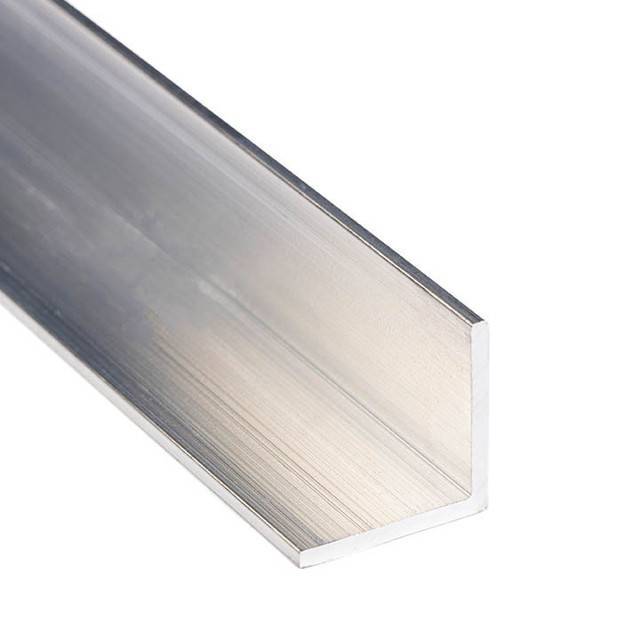
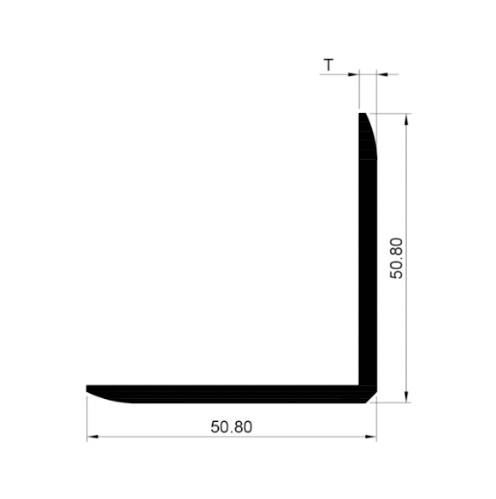
Corner
T = 3.00 mm
W = 0.766 Kg/m
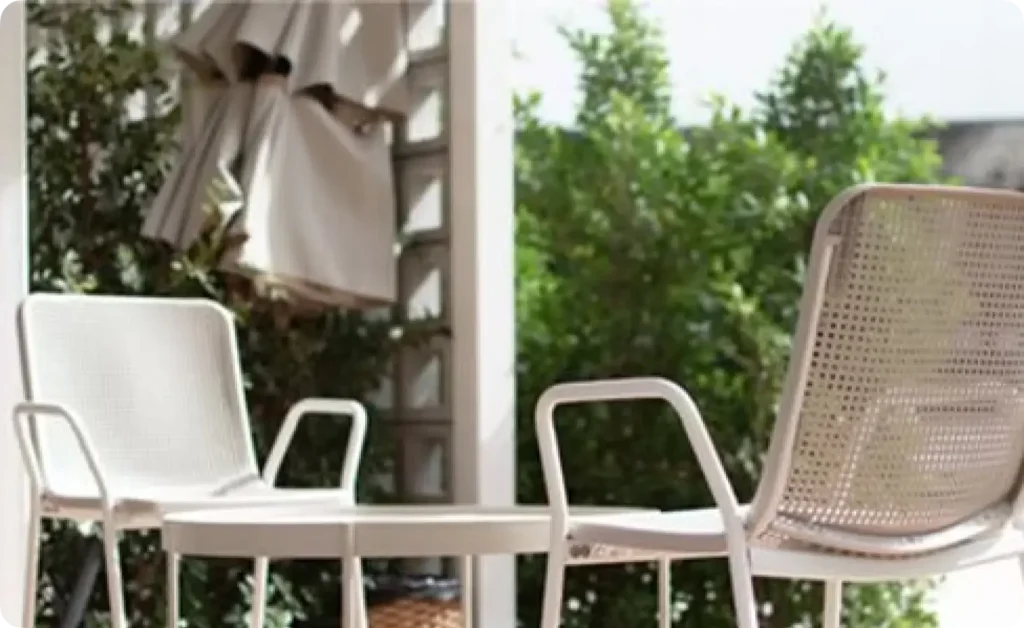
Our aluminum can be used to create a wide range of your needs such as outdoor furniture, partition systems, rolling doors, and more. Elevate your outdoor living area with our premium aluminum furniture collection.
Aluminium material with a solid structure that provides high resistance to pressure and heavy loads, making it ideal for industrial and construction requirements.
We provide a 30-day product quality guarantee to ensure you receive material that meets the highest standards and is free from production defects.
Available in anodizing, powder coating, and mill finish options, offering durability and a clean appearance for various applications.
Aluminium offers excellent formability, allowing it to be easily shaped and fabricated into various designs without compromising strength ideal for custom and complex applications.
Bring design to us and we can turn your ideas into precise, high-quality aluminium solutions. Custom sizes, specification and finishing tailored to your project needs.
An aluminium corner guard does a small job that buildings pay for daily: it stands at the corner and takes the hit. Trolleys, chairs, luggage, pallet edges, and ten thousand passing shoulders all find the outside corner of a wall, and the corner guard is the extruded L-profile that makes those strikes a wipe-down instead of a repair. This page covers the corner guards and edge trims we extrude at our facility in Indonesia, the two protective profiles that finish and defend the edges everything else collides with.
The profile is an L-section, two equal legs meeting at the corner, sized to wrap a wall's external angle. Typical legs run 20 to 50 mm per side at 1.5 to 3 mm wall, in square-cornered and radiused versions. The radiused profile matters more than its looks suggest: a rounded leading edge glances impacts off rather than catching them, and it wipes clean in one pass.
One naming note, and a short one: corner guard is a rare term that needs no translation. The UK, Australia, Canada, Europe, and the United States all say corner guard, with corner protector, wall guard, and angle guard circulating as informal variants and only the aluminium and aluminum spelling dividing the markets.
Our position, stated before the order rather than after the incident: a corner guard is armour for the finish, not a crash barrier. It exists to absorb the scuffs, knocks, and trolley clips that destroy paint, plaster, and panel edges, and it does that for decades. What it does not do is stop a loaded forklift. A rigid metal angle struck at pallet-truck force transfers the blow into the wall behind it; that duty belongs to energy-absorbing polymer rail systems and floor-mounted bollards. Most corridors need the guard. Loading docks need both, in different places. Tell us the traffic and we will say which is which.
Where the corner guard defends an angle, the edge trim finishes an edge: slim L and U sections that cap exposed panel ends, worktop edges, tile arrises, and partition reveals. The duty is half protection, half appearance. A raw board edge chips, swells, and snags; trimmed in anodised aluminium it becomes a deliberate line that survives cleaning carts and contact. The same enquiry usually carries both products, which is why they share this page and our die library.
Clean rooms, food plants, and pharmaceutical suites are this profile's most demanding customers, and the reasons are specific. Anodised aluminium does not chip and shed particles the way painted steel does, which matters in spaces where airborne fragments are counted. It shrugs off wash-down chemicals and daily wipe protocols without corroding. And mounted on a full bed of adhesive, the guard presents no screw heads and no crevices for contamination to colonise. Radiused profiles complete the logic: no sharp internal line for residue to hide in, one wipe and the corner is inspectable again.
The honest default: adhesive where people pass, screws where wheels pass.
Standard guard and trim sections ship cut-to-size against a simple count and height list. The die library covers alternative leg sizes and radii, and a custom die can produce a proprietary profile, including guards with concealed-fix keyways or integrated reveal details. Send the corner count, the traffic description, and the finish schedule, and our team will reply with a profile recommendation, price, and lead time from our factory and warehouse in Indonesia.
The third profile that clean rooms and workshops order alongside these, the modular T-slot rail, has its own page at Conveyor and T-Slot Profiles.