
For procurement teams and engineering leads, custom aluminum fabrication is where projects either gain serious margin or quietly bleed it away. The right custom profile can collapse five machined parts into one extrusion. The wrong brief produces a sample that arrives weeks late, two millimeters off spec, and finished in the wrong color. The difference usually isn’t capability. It’s the way the job gets specified upfront.
Here’s how experienced buyers approach custom aluminum fabrication to get cleaner quotes, faster lead times, and parts that actually fit the assembly.
What Custom Aluminum Fabrication Actually Covers
Custom aluminum fabrication is a broad category, but for serious project work it usually breaks down into three distinct paths:
Custom extrusion uses a purpose-built die to produce a unique cross-section in continuous lengths. Best for parts produced in volume where the geometry is consistent end to end.
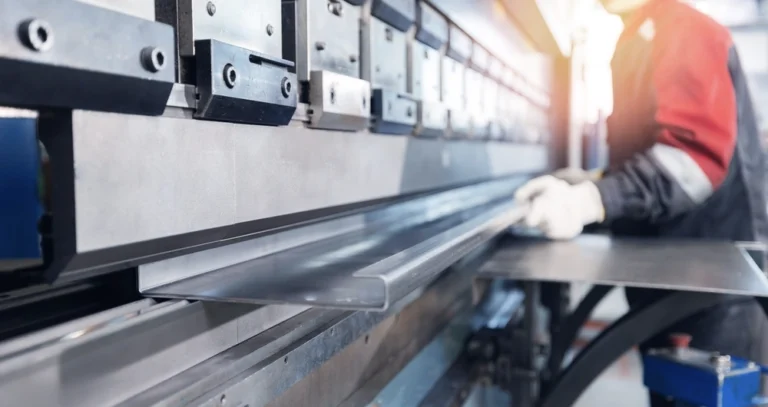
Secondary fabrication covers cutting, drilling, milling, welding, and bending operations applied to standard or custom profiles. Best for finished assemblies and shorter runs.
Custom finishing includes specific anodizing colors, powder coat textures, and surface treatments matched to the project specification.
The most cost-effective custom aluminum fabrication projects start with extrusion rather than machining standard profiles down to size. A custom die pays for itself quickly when annual volume is high enough to spread the cost across thousands of parts.
When Custom Extrusion Beats Standard Profiles
Standard catalog profiles cover a lot of ground, but they fall short when:
- The application needs integrated features like screw bosses, locator slots, snap fits, or heat sink fins
- Wall thickness or overall dimensions sit between standard sizes
- Part count needs to drop to simplify assembly and reduce labor
- Tolerance requirements exceed what off-the-shelf extrusion typically delivers
- Branding or aesthetic detail needs to be built into the profile itself
A custom profile that consolidates four bolted parts into one extrusion can cut assembly time by 70% on production lines that run thousands of units a year. That math wins on almost every project that crosses the volume threshold.
What to Include in a Custom Fabrication Brief
A clean brief is the single biggest predictor of a clean quote and an on-time delivery. At minimum, send the manufacturer:
- 2D drawing or CAD file with all critical dimensions and tolerances called out
- Alloy and temper specification (typically 6061-T6, 6063-T5, or 6063-T6 for most fabrication work)
- Annual or initial volume so the supplier can advise on die cost amortization
- Length requirements including standard cut lengths or custom cut-to-size needs
- Surface finish specification including mill, anodized (color and thickness), or powder coated (color and standard)
- Critical mating dimensions flagged separately from cosmetic features
- Application context so the supplier can flag any spec choices that won’t perform
Vague briefs produce vague quotes. Detailed briefs produce accurate pricing and realistic lead times.
Tolerance, Finish, and Lead Time Realities
Three areas where custom aluminum fabrication projects most often run into trouble:
Tolerance creep. Calling out tight tolerances on every dimension drives die cost and inspection cost upward unnecessarily. Identify the two or three dimensions that are truly critical and let the rest run to standard extrusion tolerance.
Finish surprises. Anodized colors vary slightly between batches and between alloys. Powder coat textures can mask surface defects but also hide dimensional issues. Always request finish samples on the actual alloy before committing to a long production run.
Lead time underestimation. A new die typically takes two to four weeks to design, cut, test, and trial. Production then follows. Briefs that arrive with a two-week deadline rarely end well. Plan custom extrusion projects six to eight weeks ahead of need date.
What to Look For in a Custom Aluminum Fabrication Partner
Three factors separate a supplier who will protect your project from one who will quietly cost you money:
- Vertical integration: Billet melting, extrusion, finishing, and packing under one roof gives the tightest quality control and the shortest lead times.
- Die-making capability: A manufacturer who designs and maintains their own dies catches problems earlier and iterates faster than one who outsources tooling.
- Finishing range: In-house anodizing and powder coating eliminate transit damage risk and shorten the overall project timeline.
Sourcing Custom Aluminum Fabrication for Your Project
Custom aluminum fabrication only works when the entire chain holds together. The best protection for your project budget and timeline is a manufacturer who controls everything from raw billet to finished, packed, and shipped product.
Whether you need standard profiles or custom cross-sections designed for your specific fabrication requirements, Exalum Metal has the capacity and expertise to deliver.
Ready to place an order or discuss your requirements? Get in touch with the Exalum Metal team directly:
Email: [email protected] WhatsApp: +62 811 9429 970 Website: www.exalummetal.com
Your next fabrication project deserves material you can count on. Make custom aluminum fabrication from Exalum Metal your standard.