
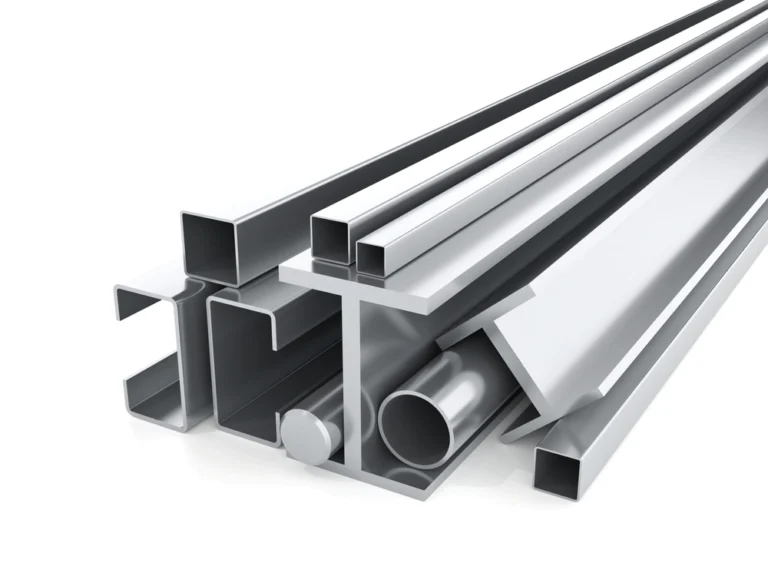
For fabrication shops handling fluid systems, irrigation networks, structural framing, or marine assemblies, aluminum pipe is one of the most reliable materials on the cut list. It’s lighter than steel, fights corrosion without coatings, and ships in dimensional standards your team already knows. But specifying the wrong alloy, wall thickness, or schedule can turn a clean install into a leaking, sagging headache.
Here’s what experienced buyers and engineers double-check before they place a pipe order.
Aluminum Pipe vs Aluminum Tube — The Distinction Matters
The terms get used interchangeably on shop floors, but they’re not the same product. Aluminum pipe is sized by Nominal Pipe Size (NPS) and a schedule (Sch 40, Sch 80, etc.) and is spec’d for carrying fluid, gas, or pressurized media. Aluminum tube is sized by exact outside diameter and wall thickness, and is generally used for structural or mechanical applications.
If your project involves pressure ratings, flow calculations, or fittings to ANSI standards, you want pipe. If it’s structural framing, railings, or furniture, tube is usually the right call. Order the wrong one and you’ll fight fittings that don’t seat properly.
Why Fabricators Choose Aluminum Pipe
Three properties keep aluminum pipe on every fabricator’s preferred materials list:
- Weight savings. Aluminum pipe runs at roughly one-third the weight of steel pipe — cutting handling, transport, and installation labor.
- Corrosion resistance. A self-healing oxide layer protects aluminum in marine, chemical, and outdoor environments where carbon steel would need constant maintenance.
- Conductivity. Strong thermal and electrical conductivity make aluminum pipe a smart pick for HVAC lines, heat exchangers, and grounding work.
Add full recyclability, predictable pricing cycles, and clean machinability, and aluminum pipe earns its place in serious fabrication work.
Choosing the Right Alloy
The alloy decision is critical. Most aluminum pipe used in fabrication falls into three grades.
6061 is the all-rounder. Good strength, excellent weldability, and the standard for structural pipe runs, hydraulic lines, and marine hardware.
6063 extrudes more easily into thin walls and complex ends. Common in architectural railings, decorative installations, and lower-pressure applications where appearance and corrosion resistance outweigh yield strength.
3003 is softer, more formable, and resistant to chemical corrosion. The right pick for fluid-handling lines, refrigeration systems, and tight-radius bends.
Tempers like T6 add hardness and strength to 6061 pipe and should be specified whenever the line will see vibration, pressure cycling, or sustained load.
Schedules, Sizes, and Tolerances Worth Spec’ing
Pipe schedule defines wall thickness for a given diameter. Sch 40 covers most general fabrication work — it handles standard pressure with comfortable margin. Sch 80 doubles down on wall thickness for higher-pressure systems or where mechanical abuse is expected. Always cross-check your fittings’ working pressure against the pipe’s rated burst. Aluminum is forgiving, but it isn’t magic.
For custom runs, working with a manufacturer who can extrude to your exact OD, ID, and wall spec — rather than buying off-the-shelf NPS sizes — eliminates wasted material and shaves cost across the project’s lifecycle.
Real Applications in the Workshop
Aluminum pipe shows up across a wide range of fabrication work:
- Irrigation and water transfer systems
- Hydraulic and pneumatic lines
- HVAC, refrigeration, and heat exchanger tubing
- Marine handrails, davits, and rigging
- Solar farm structural runs
- Fence posts, scaffolding, and modular frame systems
- Architectural columns and decorative facade elements
- Food, beverage, and pharmaceutical fluid lines (with the right alloy)
Each application demands its own balance of alloy, temper, wall thickness, and finish. A reliable supplier helps you get there without guesswork.
Sourcing Aluminum Pipe for Your Fabrication Needs
Pipe quality lives or dies on dimensional consistency, alloy purity, and finishing. The fewer suppliers in your chain, the tighter your control. Choosing a manufacturer with vertical integration — billet through finishing — is the single biggest move you can make to protect your project timelines.
Whether you need standard profiles or custom cross-sections designed for your specific fabrication requirements, Exalum Metal has the capacity and expertise to deliver.
Ready to place an order or discuss your requirements? Get in touch with the Exalum Metal team directly:
Email: [email protected] WhatsApp: +62 811 9429 970 Website: www.exalummetal.com
Your next fabrication project deserves material you can count on. Make aluminum pipe from Exalum Metal your standard.