
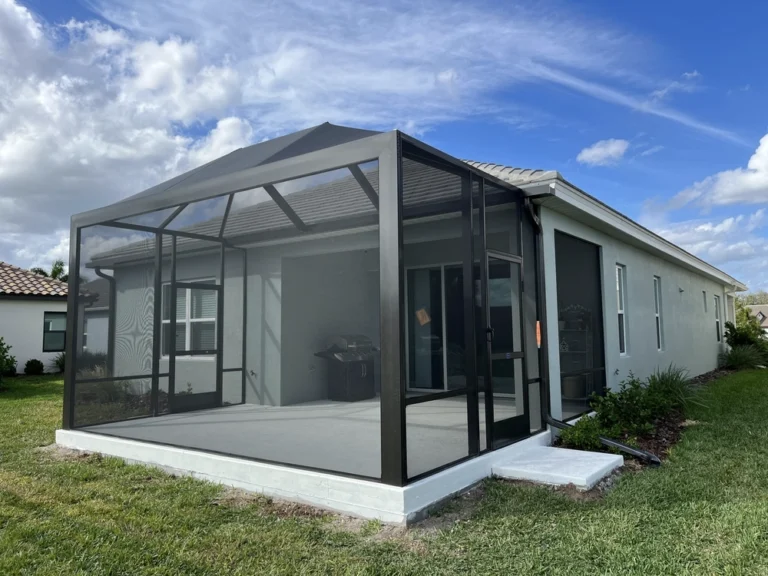
A screen enclosure turns an exposed patio into an outdoor room. By framing a space with screening, it keeps insects out, filters debris and harsh sun, and adds a layer of security and definition, all while keeping the open-air feel that made the patio appealing in the first place. The frame is what makes it possible, and aluminum has become the standard for screen enclosures because it carries the span, resists the weather, and holds its finish for decades in the demanding outdoor environment these structures live in. We produce the structural extrusion that screen enclosures are framed with, and the points below cover how they work, the ideas worth considering, and what makes an enclosure that lasts.
What a Screen Enclosure Does for a Patio
A screen enclosure transforms how an outdoor space gets used. The most immediate benefit is keeping insects out, which in many climates is the difference between a patio that sits empty and one the family actually uses through the evening and the warm months. The screening also filters debris, keeping leaves, pollen, and windblown dirt off the patio, which cuts the cleaning a covered outdoor space otherwise demands.
Beyond that, an enclosure adds shade and softens harsh sun without blocking the breeze, makes a pool area safer by controlling access, and adds a sense of room-like definition that extends the living space of the home outdoors. Some enclosures are simple screened patios, while larger ones become full screen rooms or pool enclosures that span substantial areas. In every case the structure has to frame the screening, carry its own weight plus wind load, and stand up to constant outdoor exposure, which is where the frame material decides how long the enclosure serves.
Why Aluminum Frames the Best Screen Enclosures
A screen enclosure frame faces a specific set of demands, and aluminum meets all of them. The corrosion resistance is the first and most important, because a screen enclosure stands outdoors permanently, exposed to rain, humidity, and in many regions the salt air of coastal climates where these enclosures are most popular. Aluminum’s natural oxide layer resists rust through all of it, where steel would corrode and require constant maintenance.
The strength-to-weight ratio lets a slender aluminum frame span the openings a screen enclosure needs while keeping the structure light and the sightlines clean, so the enclosure frames the view rather than blocking it. The light weight also makes the larger spans of pool and patio enclosures practical to build and support. The finish quality of anodized and powder-coated aluminum gives the frame a color-stable surface that holds its appearance against constant sun, and lets the frame be finished in colors that suit the home. And the durability means the enclosure stands for decades without the rot, rust, or warping that other materials suffer outdoors. For a permanent outdoor structure that has to stay slender, weatherproof, and attractive, aluminum is the natural frame.
Screen Enclosure Ideas Worth Considering
Aluminum screen enclosures take several forms depending on the space and the goal. A screened patio encloses an existing covered patio with screening on the open sides, the simplest and most common form, turning a porch or covered patio into a bug-free outdoor room. A screen room takes it further, with a more finished structure that functions almost like an additional room of the house, often with a solid or insulated roof and full-height screening.
A pool enclosure is the largest form, framing the entire pool area with a screened structure, often with a high domed or mansard roof that keeps the pool clean, controls access, and extends the swimming season by sheltering the area. A freestanding screened structure stands apart from the house, framing a garden seating area or outdoor kitchen. And a screened addition extends the home’s footprint with a screened space attached to the building. Each idea draws on the same aluminum framing, scaled and configured for the size and use of the space.
What Goes Into a Screen Enclosure That Lasts
The performance of a screen enclosure comes down to the frame and how it is engineered. The structural members have to be sized for the spans and the loads, carrying the frame’s own weight plus the wind load that acts on the large screened surfaces, which can be considerable because screen presents area to the wind even though it is porous. Larger enclosures and higher wind zones call for stronger frame profiles.
The alloy and temper set the strength of the material, so the structural framing benefits from an alloy with genuine load capacity. The connections have to match the strength of the frame, since the joints and anchors carry the concentrated loads, especially at the roof and the base. The screen-retention detail matters, because the frame profiles need the channel or spline groove that holds the screening taut and lets it be replaced when needed. And the finish has to withstand constant exposure, which is where anodizing and powder coating resist the UV, moisture, and temperature cycling the frame faces. These requirements come down to the engineering of the profiles and the extrusion quality behind them.
How Screen Enclosures Connect to Our Products
Building a screen enclosure draws on the structural extrusion we produce, with the strength, corrosion resistance, and finishing that a permanent outdoor structure demands. Our vertically integrated facility in Indonesia spans 20,000 square metres and manages alloy, extrusion, and finishing as one chain, delivering the consistency and durability outdoor applications require.
The profile range covers the components a screen enclosure is framed from:
- Square Hollow and Rectangular Hollow for the structural frame, beams, and uprights that carry the enclosure
- Tubing Pipes for posts, columns, and the framing of larger pool and patio enclosures
- Equal Angle and Unequal Angle for brackets, connections, and the bracing that ties the frame together
- Unequal Channel for screen-retention channels and edge framing that hold the screening taut
- Flat Bars for mounting plates, trim, and reinforcement
- Partition and Louvers profiles for combined screened and ventilated sections
For screen enclosure systems that need a specific frame profile or screen-retention detail, custom extrusion produces the exact geometry the design calls for, finished in-house with anodizing or powder coating that survives the outdoor environment these structures live in.
Maximizing a Patio That Lasts
A well-built aluminum screen enclosure genuinely expands a home, turning an exposed patio into a bug-free, weather-protected outdoor room that the family uses far more than they used the open patio before. Aluminum is what lets it do that for decades, by resisting the weather, carrying the spans, and holding its finish in the sun. The key is a frame engineered for the spans and wind loads, the right alloy, secure connections, and a manufacturer whose extrusion you can rely on.
We have supplied structural and architectural aluminum extrusion to fabricators and builders since 2009, with the strength, consistency, and weather-resistant finishing that exterior applications demand.
Whether you need standard profiles or custom cross-sections designed for your specific enclosure system, we have the capacity and expertise to deliver.
Ready to discuss your project or request material specifications? Get in touch with our team directly:
Email: [email protected] WhatsApp: +62 811 9429 970 Website: www.exalummetal.com
When the enclosure has to stand the seasons and frame the view, start with extrusion you can trust. Make Exalum Metal your standard.