
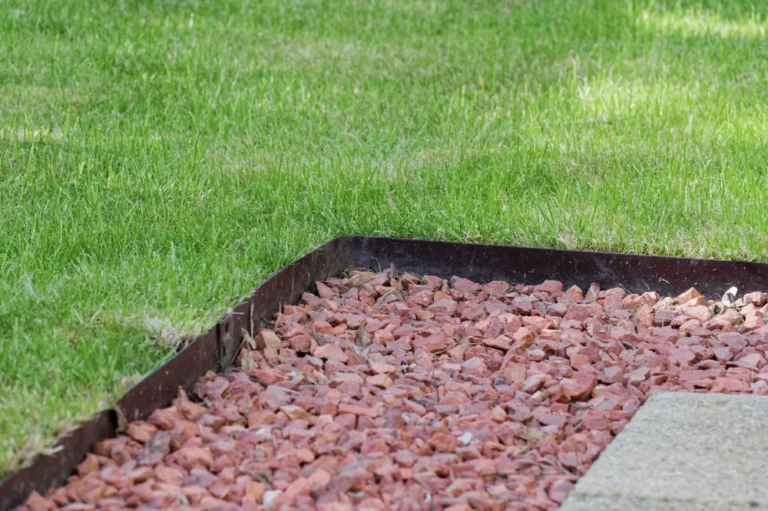
The difference between a tidy garden and a messy one often comes down to the edges. A clean, defined line between the lawn and the flower bed, between the path and the planting, between the gravel and the grass, is what makes a landscape look intentional and cared for. Garden edging creates those lines and holds them, and aluminium has become a favoured material for it because it bends into smooth curves, resists rust and rot, and keeps its crisp line for years without the heaving and decay that timber and plastic suffer. We produce the aluminium profiles that garden edging draws on, and the points below cover how it works and the ideas worth trying.
What Garden Edging Does
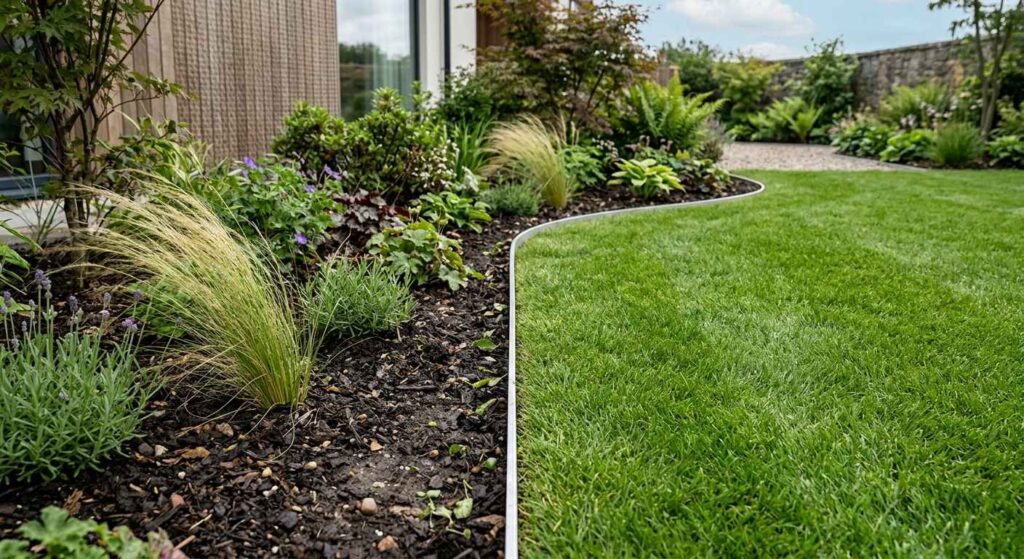
Garden edging defines and separates the areas of a landscape, and that simple job has both visual and practical value. Visually, a clean edge gives the garden structure, drawing the eye along defined lines and making the whole space read as designed rather than accidental. The contrast between a sharp mown lawn edge and a planted bed is one of the most effective ways to make a garden look polished.
Practically, edging holds materials in place and keeps areas from bleeding into one another. It stops lawn grass and its roots from creeping into flower beds, contains gravel and mulch so they stay where they belong, retains the soil of a raised bed, and gives a mower a clean line to run against. Good edging therefore reduces maintenance as much as it improves appearance, because the borders it creates stop the constant encroachment that untidy gardens fight. The edging has to be installed in the ground, hold its line against soil pressure and weather, and last, which is where the material matters.
Why Aluminium Makes Excellent Garden Edging
Aluminium suits garden edging for reasons that become clear when you compare it to the alternatives. The corrosion resistance is fundamental, because edging is buried in damp soil and exposed to constant moisture, which rusts steel and rots wood over time. Aluminium’s natural oxide layer resists that corrosion, so aluminium edging holds its integrity in the ground for years where other materials decay.
The flexibility is a particular advantage for edging. Aluminium can be bent into smooth curves on site, which lets it follow the flowing lines of beds and paths that straight, rigid edging cannot, while still being firm enough to hold a crisp straight line where wanted. It is light enough to handle and install easily, yet strong enough to resist the soil pressure and the knocks of garden use without bending out of shape the way thin plastic does. It holds its finish, since anodised or coated aluminium keeps its appearance without the fading and embrittlement that plastic suffers in sunlight. And it is durable and recyclable, lasting far longer than the timber or plastic edging it replaces. For edging that has to curve, hold its line, and last in the soil, aluminium is an excellent fit.
Aluminium Garden Edging Ideas Worth Trying
Aluminium edging opens up a range of landscaping ideas. A crisp lawn-to-bed border is the most common, with a low aluminium edge set flush or just proud of the soil to create a clean mowing line and stop grass creeping into the planting. Curved bed edging uses aluminium’s flexibility to trace flowing, organic bed shapes that give a garden a soft, designed feel.
Path and gravel containment uses aluminium edging to hold gravel, decomposed granite, or mulch paths in a defined channel so the material stays put and the path keeps its shape. Raised bed and planter edging uses taller aluminium profiles to retain the soil of raised growing areas with a clean, modern edge. A driveway or paving edge uses sturdier aluminium edging to contain and define the border of paved and gravelled areas. And lawn-to-paving transitions use a flush aluminium edge to create a sharp, mowable line where grass meets a patio or path. Each idea draws on aluminium profiles sized and shaped for the depth, the visibility, and the retention the application needs.
What Makes Garden Edging That Lasts
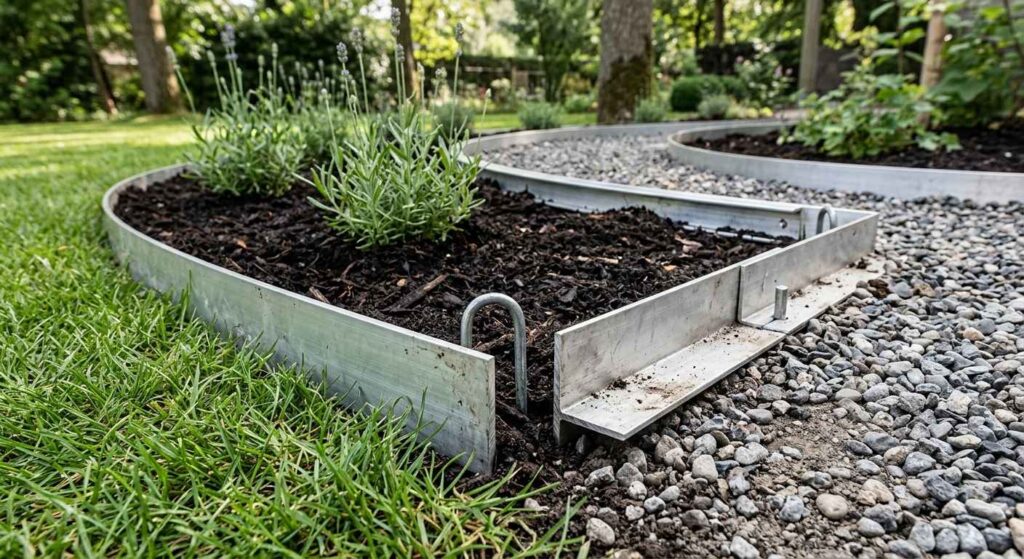
Edging that performs depends on a few characteristics of the profile and how it is set. The profile depth has to suit the job, with enough buried depth to anchor the edging against soil pressure and frost heave and to stop roots passing underneath, and the right height above ground for the line it is meant to create. Edging set too shallow lifts and shifts, while edging at the right depth stays put.
The material strength has to resist the pressures of soil, roots, and use without bending or buckling, which points to a profile with adequate thickness in an alloy with genuine firmness. The corrosion resistance has to last in the damp soil environment, which aluminium provides naturally. The finish, where the edging is visible, should hold its appearance against sun and weather. And the dimensional consistency matters for clean joints where lengths meet and for the edging to bend smoothly without kinking. These come down to the quality of the aluminium profile, which is why the material source matters for edging meant to last.
How Garden Edging Connects to Our Products
Garden edging draws on the flat, angle, and channel profiles we produce, with the corrosion resistance and consistent quality that buried, exposed landscape products need. Our vertically integrated facility in Indonesia spans 20,000 square metres and manages alloy, extrusion, and finishing as one chain, delivering the consistency and durability outdoor applications require.
The profile range covers the forms garden edging takes:
- Flat Bars for clean strip edging that creates a crisp line between lawn, bed, and path
- Equal Angle and Unequal Angle for L-profile edging that combines a buried leg with a visible edge for retention
- Unequal Channel for edging that contains gravel, mulch, or paving in a defined channel
- Square Hollow and Rectangular Hollow for sturdier edging and raised bed framing
- Flat Bars and Round Bars for the stakes and anchors that hold edging in place
For landscape projects that need a specific edging profile, depth, or finish, custom extrusion produces the exact geometry the design calls for, finished with anodising or coating where the edging is on display.
Sharpening a Yard That Stays Sharp
Good aluminium edging transforms a garden by giving it the clean, defined lines that make a landscape look cared for, while holding those lines for years against the soil and weather that defeat other materials. The key is a profile with the right depth and strength for the job, the corrosion resistance to last in the ground, and the quality to bend smoothly and join cleanly. Get that right, and the edges stay sharp season after season.
We have supplied aluminium profiles to fabricators, landscapers, and builders since 2009, with the corrosion resistance and consistent quality that outdoor applications demand.
Whether you need standard profiles or custom cross-sections designed for your specific landscape project, we have the capacity and expertise to deliver.
Ready to discuss your project or request material specifications? Get in touch with our team directly by clicking the “Contact Us” button below.