
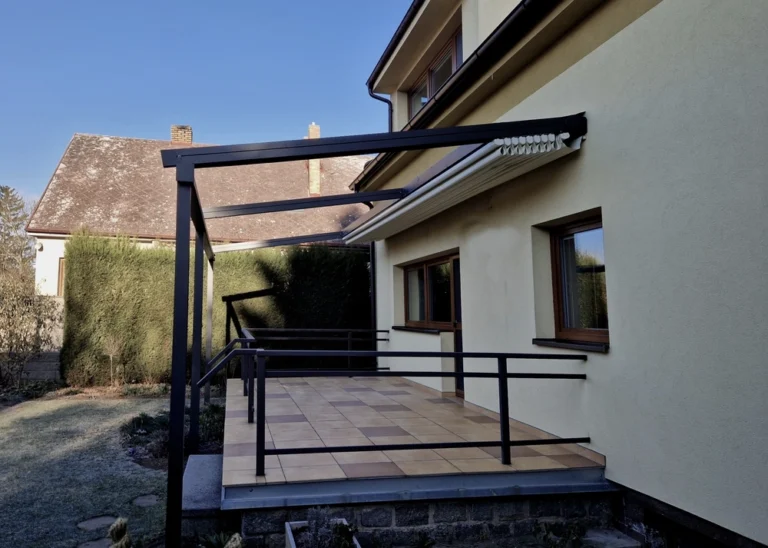
A pergola defines an outdoor space the way a room frames an indoor one. It creates a sense of enclosure over a patio or garden, casts patterned shade through its overhead slats, and gives climbing plants a structure to grow on, turning open ground into a destination. A trellis does similar work on a vertical plane, supporting plants and screening space. Built in aluminum, both shed the rot, warping, and constant maintenance that defeat timber, standing straight and holding their finish for decades. We produce the structural extrusion that aluminum pergolas and trellises are built from, and the points below cover how they work, the designs worth considering, and what makes a structure that lasts.
What a Pergola and Trellis Add to a Backyard
A pergola transforms a backyard by giving it structure and shade. The overhead framework of beams and slats casts dappled shade that softens the sun without fully blocking it, creating a comfortable space beneath that stays usable through the heat of the day. It defines an outdoor room, anchoring a seating area, a dining space, or a path with a sense of place that open ground lacks. And it provides a structure for climbing plants, where vines and flowers can grow across the top to deepen the shade and tie the structure into the garden.
A trellis works on the vertical, providing a framework for climbing plants to grow up, screening a space for privacy, or dividing a garden into areas. Together, pergolas and trellises bring architecture into the landscape, shaping how a backyard looks and how it gets used. The structure has to carry its own weight plus the load of any plants, wind, and weather, and stand exposed year-round, which is exactly where the material decides whether it serves for a few seasons or a few decades.
Why Aluminum Outlasts Timber and Other Materials
Pergolas and trellises have traditionally been built from timber, and wood has genuine appeal, but it carries the burdens that come with an organic material left outdoors. Wood rots, warps, splits, and greys, and it demands regular sealing, staining, and eventual repair or replacement to keep standing and looking good. In damp climates and over time, that maintenance becomes a recurring cost and the structure slowly loses the battle with the weather.
Aluminum sidesteps all of it. It does not rot, warp, or split, so an aluminum pergola stands straight and true for decades without the seasonal maintenance timber demands. It resists corrosion through rain, humidity, and salt air, holding its integrity in exposure that would degrade other materials. It carries the spans of a pergola with slender members, thanks to its strength-to-weight ratio, which keeps the structure elegant rather than bulky. And it holds a finish, since anodized and powder-coated aluminum keeps its color against the sun without the fading, peeling, or greying that painted wood suffers. For a backyard structure meant to be enjoyed rather than maintained, aluminum is what lets the pergola simply stand and look good year after year.
Pergola and Trellis Designs Worth Considering
Aluminum suits a range of pergola and trellis designs. A traditional open pergola uses a framework of posts, beams, and evenly spaced overhead slats that cast patterned shade, the classic design that defines a space while letting sky and light through. A louvered pergola uses angled slats across the top, and adjustable-louver versions let the user rotate the slats to control sun and shade or close them against rain, which turns the pergola into a flexible outdoor room.
An attached pergola mounts to the house and extends over a patio, while a freestanding pergola stands on its own posts anywhere in the garden. A pergola with integrated trellis sides combines the overhead structure with vertical lattice panels that support climbing plants and add privacy. And a standalone trellis serves as a vertical garden feature, a privacy screen, or a divider, framed in aluminum lattice or slats. Each design draws on extruded aluminum for its posts, beams, slats, and lattice, scaled and configured for the space and the look.
What Goes Into a Pergola That Lasts
The performance of an aluminum pergola comes down to the structure and how it is engineered. The posts and beams have to be sized for the spans and the loads, carrying the structure’s own weight plus wind load and the weight of any climbing plants grown across it. A pergola presents its overhead slats to the wind, and the structure and its footings or mounts have to handle that load, particularly the uplift that wind can apply to the open top.
The alloy and temper set the strength of the material, so the structural members benefit from an alloy with genuine load capacity. The connections have to match the strength of the frame, since the joints between posts, beams, and slats carry the loads through the structure. The slat or louver design determines both the shade pattern and the structural contribution of the top. And the finish has to withstand constant exposure, which is where anodizing and powder coating resist the UV and weather that act on the structure year-round. These requirements come down to the engineering of the profiles and the extrusion quality behind them, which is why the material source matters as much as the design.
How Pergolas and Trellises Connect to Our Products
Building an aluminum pergola or trellis draws on the structural extrusion we produce, with the strength, weather resistance, and finishing that a permanent outdoor structure demands. Our vertically integrated facility in Indonesia spans 20,000 square metres and manages alloy, extrusion, and finishing as one chain, delivering the consistency and durability outdoor applications require.
The profile range covers the components a pergola and trellis are built from:
- Square Hollow and Rectangular Hollow for the posts, beams, and rafters that form the structure
- Tubing Pipes for posts, columns, and the framing of freestanding structures
- Louvers profiles for louvered pergola tops that combine shade with adjustability
- Equal Angle and Unequal Angle for brackets, connections, and the bracing that ties the structure together
- Flat Bars for slats, lattice members, trim, and mounting plates
- Unequal Channel and Decorative Tubing Pipes for trellis lattice, slats, and decorative elements
For pergola and trellis systems that need a specific structural profile, slat, or lattice section, custom extrusion produces the exact geometry the design calls for, finished in-house with anodizing or powder coating that survives the weather the structure lives in.
Building a Backyard Structure That Endures
A well-built aluminum pergola or trellis elevates a backyard, bringing shade, structure, and a place for plants to grow, while standing straight and looking good for decades without the maintenance timber demands. Aluminum is what lets it do that, by resisting rot and rust, carrying the spans with slender members, and holding its finish in the sun. The key is a structure engineered for the spans and wind loads, the right alloy, secure connections, and a manufacturer whose extrusion you can rely on.
We have supplied structural and architectural aluminum extrusion to fabricators and builders since 2009, with the strength, consistency, and weather-resistant finishing that exterior applications demand.
Whether you need standard profiles or custom cross-sections designed for your specific pergola or trellis system, we have the capacity and expertise to deliver.
Ready to discuss your project or request material specifications? Get in touch with our team directly:
Email: [email protected] WhatsApp: +62 811 9429 970 Website: www.exalummetal.com
When the structure has to stand the seasons and frame the garden, start with extrusion you can trust. Make Exalum Metal your standard.