Have you ever noticed how the colors used on aluminum windows, facades, and architectural features have changed over the years?
Aluminum finishes are no longer selected solely for protection and durability. Today, they also play a major role in defining the visual identity of a building. Architects and designers carefully choose colors and textures that complement modern materials, create a specific atmosphere, and remain relevant for years to come.
From the natural metallic appearance of anodized aluminum to modern textured sand grain finishes, color trends continue to evolve alongside architectural preferences. Understanding these shifts can help project owners, architects, and manufacturers select finishes that balance aesthetics, performance, and long-term value.
Why Aluminum Finishes Matter
Aluminum finishes protect the metal against corrosion, weather exposure, and everyday wear while enhancing the overall appearance of a building. The right finish influences not only durability but also how architectural elements interact with surrounding materials.
Different finishing methods create different visual effects. Anodizing preserves aluminum’s natural metallic appearance, while powder coating offers greater flexibility through a wider range of colors and textures.
As aluminum became a more prominent architectural material, finish selection evolved from a purely functional decision into an important part of the overall design process.
The Evolution of Aluminum Finish Color Trends in Indonesia
The popularity of aluminum finish colors has changed significantly over time. Each shift reflects broader changes in architecture, design preferences, and project requirements.
1. Clear Anodized: When Performance Led the Market
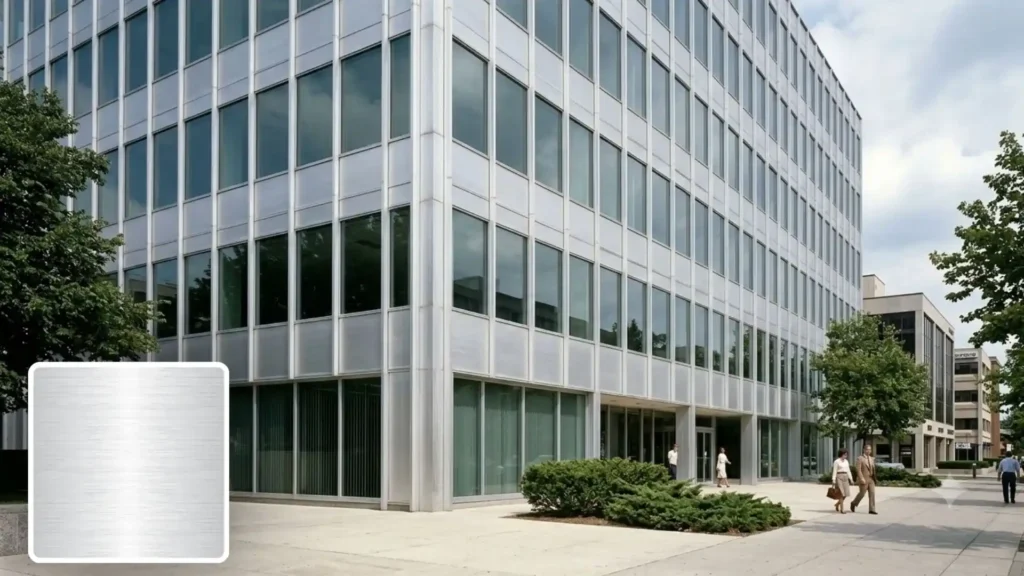
Clear anodized aluminum was one of the earliest widely adopted architectural finishes. It preserved the natural silver appearance of aluminum while providing enhanced corrosion resistance and long-term durability.
For many years, this finish became the standard choice for office buildings, public infrastructure, and commercial developments where performance and longevity were the primary concerns. Its clean metallic appearance also aligned with the minimalist architectural styles that emerged during this period.
2. Cream Powder Coating: Introducing Warmer Design Elements
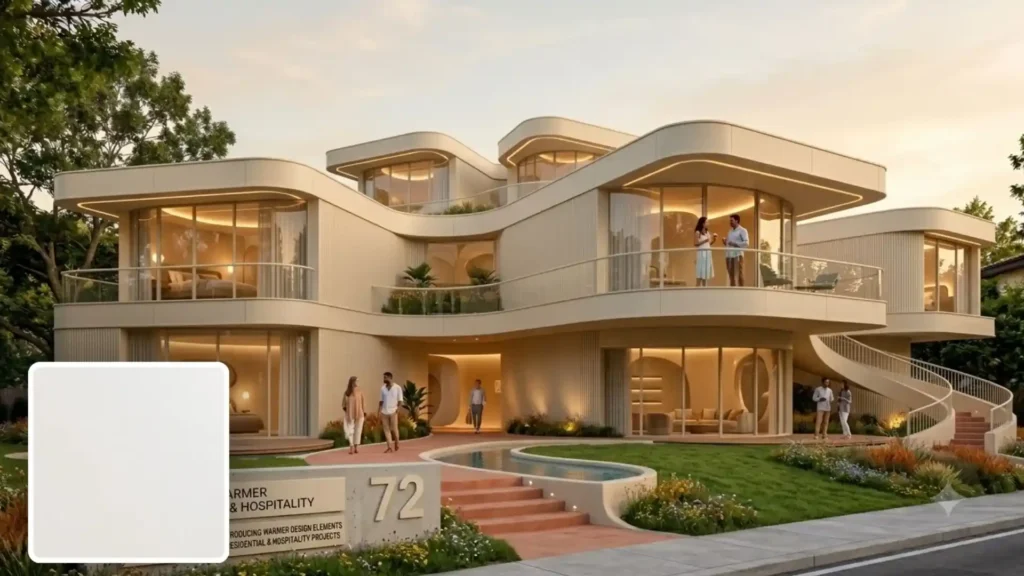
As aluminum became more visible in residential and hospitality projects, designers began looking for finishes that felt warmer and more welcoming.
Cream powder coating introduced a softer aesthetic that appealed to residential and hospitality projects, offering a warmer alternative to traditional metallic finishes.
3. White Powder Coating: The Growth of Minimalist Architecture
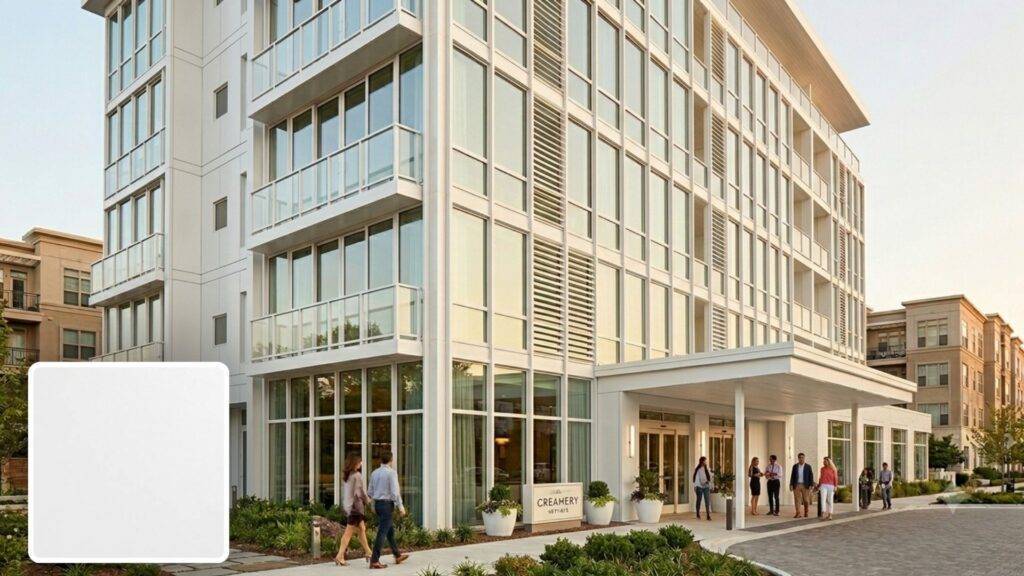
The rise of contemporary minimalist design increased demand for bright, clean finishes. White powder coating became one of the most popular options because it complemented glass facades, open spaces, and modern building forms.
Its versatility made it suitable for residential, commercial, and institutional projects while reinforcing the clean aesthetic of modern architecture.
4. Brown Powder Coating: A Shift Toward Warmer Design Palettes
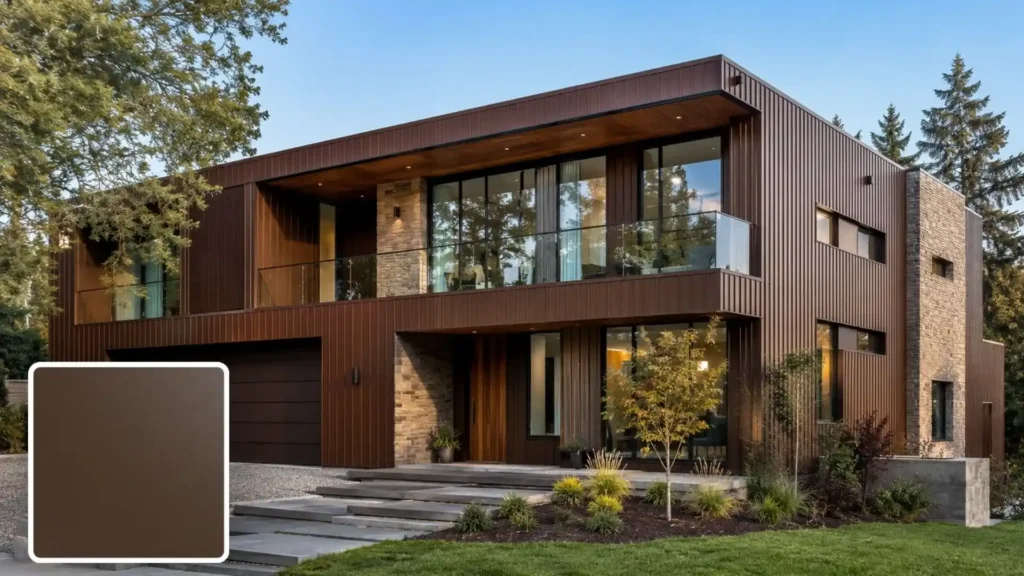
As architectural preferences evolved, designers began exploring finishes that introduced greater warmth and visual depth. Brown powder coating emerged as a practical solution for projects seeking a more natural and grounded appearance without moving away from contemporary design principles.
The finish became increasingly popular in residential developments, commercial buildings, and exterior architectural elements where warmer tones helped create a more inviting atmosphere. Brown also paired well with stone, brick, and other natural materials that were becoming more common in modern construction.
5. Wood Grain: Bringing Natural Warmth to Aluminum
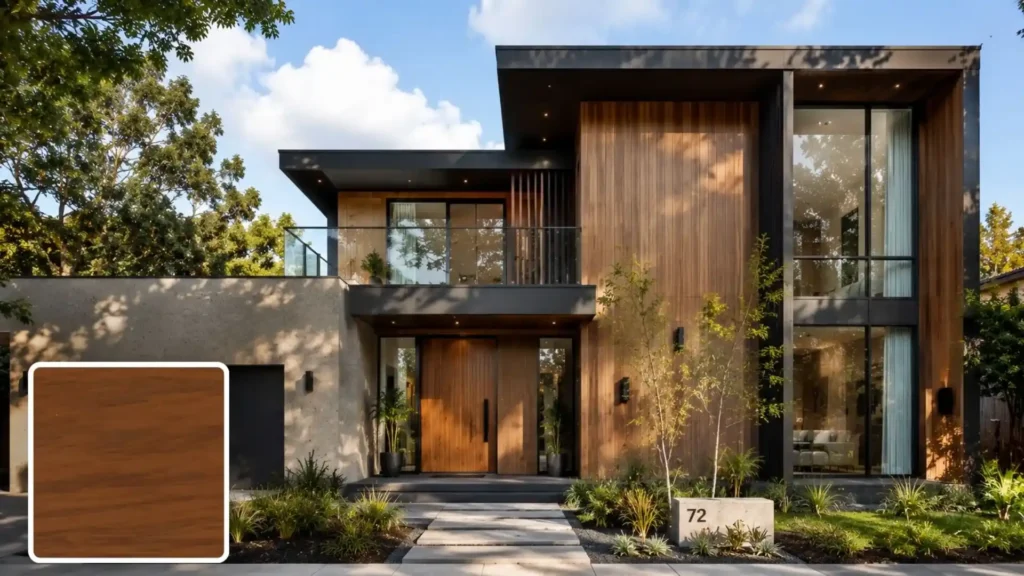
As design trends shifted toward more natural environments, wood grain finishes emerged as an attractive alternative to traditional timber.
Wood grain aluminum offered the visual appeal of wood while eliminating many of the maintenance concerns associated with natural materials. This combination of warmth, durability, and practicality made it increasingly popular in residential developments, hospitality projects, and mixed-use buildings.
6. Black Powder Coating: The Rise of Contemporary Luxury
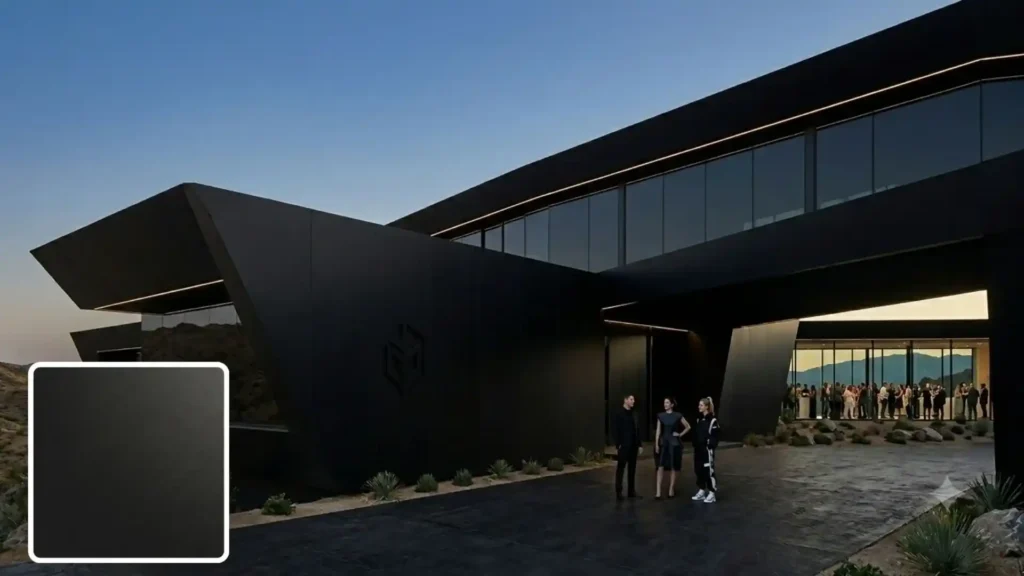
The growing influence of industrial-inspired and luxury contemporary architecture led to the widespread adoption of black aluminum finishes.
Black powder coating became closely associated with contemporary architecture, where strong contrast helps emphasize clean lines.
7. Grey Powder Coating: A Balanced Contemporary Alternative
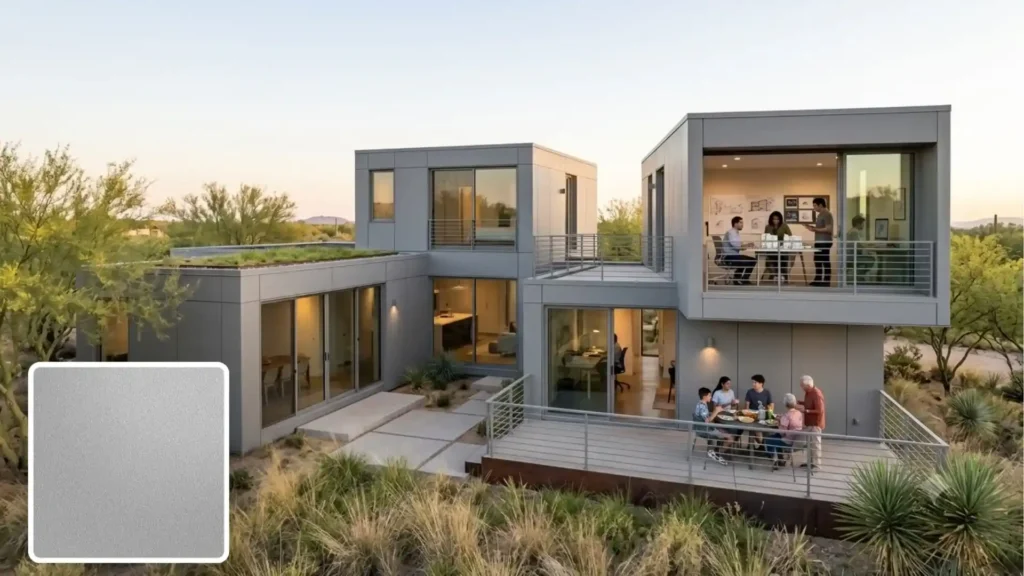
As minimalist architecture matured, many designers sought an alternative that felt less dramatic than black while still maintaining a modern appearance. Grey powder coating answered this demand by offering a softer contemporary look.
Its versatility makes it a popular choice for residential, commercial, and mixed-use developments.
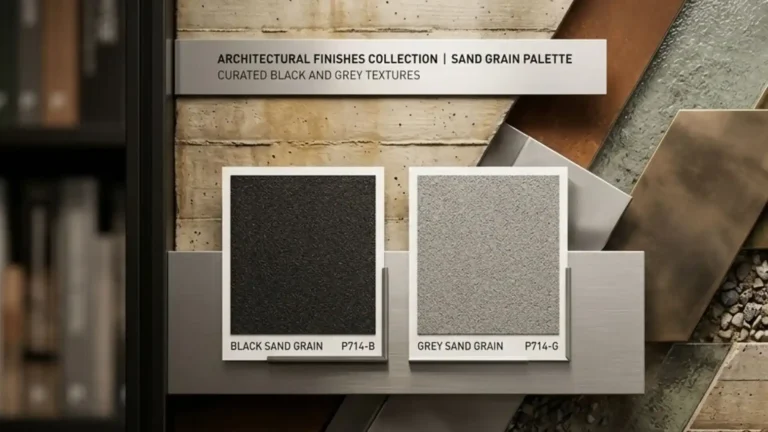
8. Black Sand Grain: Moving Beyond Color
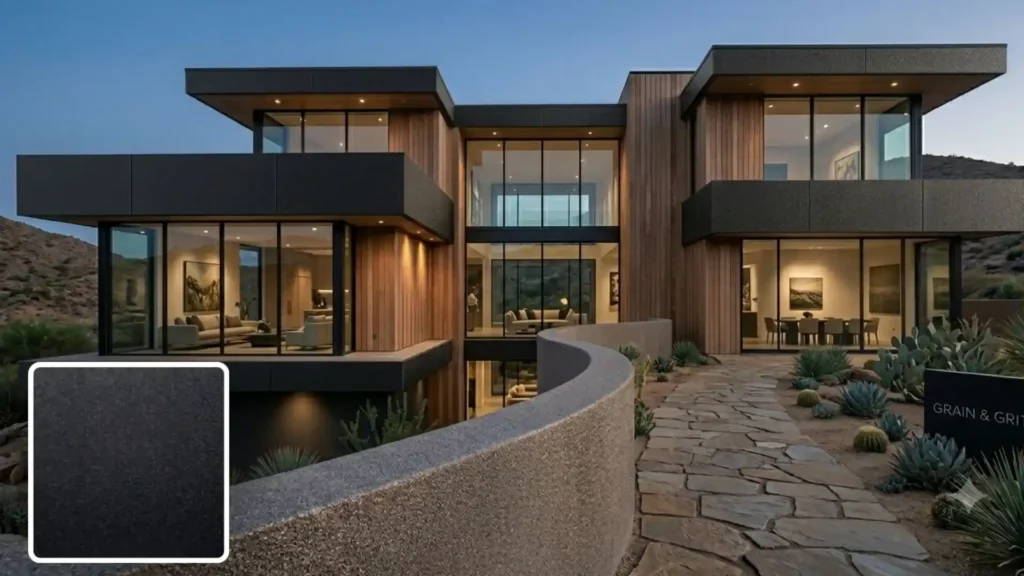
Recent architectural trends have focused not only on color but also on texture.
Black sand grain combines a contemporary dark finish with a subtle textured surface that adds depth and visual interest. The texture also helps reduce the visibility of fingerprints and minor surface imperfections, making it an appealing choice for premium projects.
9. Grey Sand Grain: One of Today’s Most Popular Finishes
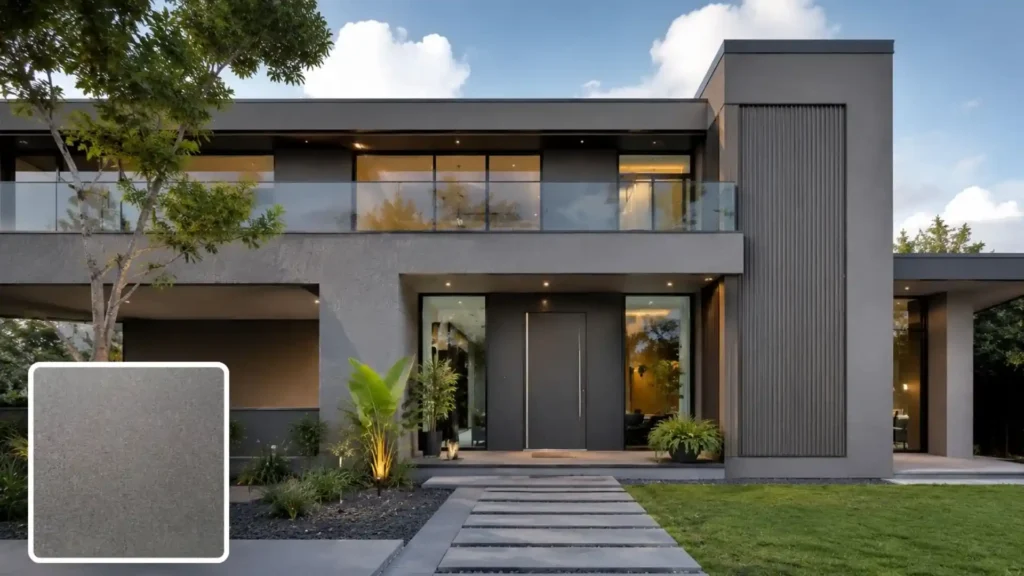
Grey sand grain represents one of the latest developments in aluminum finishing trends. By combining the versatility of grey with the premium appearance of textured surfaces, this finish aligns closely with current architectural preferences. It delivers a refined look while maintaining the practicality and durability expected from modern aluminum systems.
Its growing popularity reflects a broader industry shift toward finishes that balance aesthetics, texture, and lasting performance.
Why Aluminum Finish Trends Continue to Evolve
The evolution of aluminum finish colors reflects broader changes in architectural design. While durability remains essential, today’s projects increasingly prioritize finishes that complement surrounding materials and create a distinctive architectural character. This shift explains the growing popularity of textured finishes such as black and grey sand grain.
Choosing the Right Aluminum Finish for Your Project
Choosing the right aluminum finish depends on your project’s design goals, maintenance expectations, and environmental conditions. Clear anodized remains a timeless choice, while wood grain, black, grey, and textured finishes suit contemporary architecture that emphasizes warmth, contrast, and visual depth.
Considering both aesthetic preferences and reliable protection helps ensure the finish remains suitable throughout the building’s lifecycle.
Explore Aluminum Finishing Solutions with Exalum Metal
Whether you’re looking for anodized aluminum or custom aluminum finishing solutions, Exalum Metal is ready to help. Our fabrication facility is based in Indonesia, and we ship worldwide to support clients across many industries and regions.
Ready to discuss your project or request material specifications? Get in touch with our team directly:
Email: [email protected] WhatsApp: +62 811 9429 970 Website: www.exalummetal.com