
A dock plate is the bridge that makes loading possible. It spans the gap and the height difference between a loading dock and the bed of a truck or trailer, giving forklifts, pallet jacks, and hand trucks a continuous surface to cross. It is a simple piece of equipment that carries a serious responsibility, because everything moving between the warehouse and the truck rolls across it, and a plate that is undersized, worn, or wrongly specified is a safety hazard at one of the busiest points in any operation. Why aluminum suits the job, and what separates a safe plate from a risky one.
What a Dock Plate Does and How It Differs From a Leveler
A dock plate is a portable, removable bridge placed across the gap between the dock and the vehicle when loading begins, and lifted away when it is done. It is the manual, flexible solution, moved by hand or with a forklift to wherever it is needed, and it suits operations that load occasionally, use multiple dock positions, or need a lightweight bridge they can reposition.
This is distinct from a dock leveler, which is a permanently installed mechanical platform built into the dock pit that adjusts in height and stays in place. A dock plate is the simpler, lower-cost, portable option, while a leveler is the fixed, higher-capacity installation. Many operations use dock plates precisely because they are portable and affordable, and because they can be carried to any dock or used in facilities without built-in leveling equipment. Understanding which one an operation actually needs is the first decision, and for portable, flexible loading, the dock plate is the right tool.
Why Aluminum Is the Standard for Dock Plates
Dock plates are made from steel and aluminum, and aluminum dominates the portable plate market for a reason that becomes obvious the first time someone has to move one. A dock plate has to be lifted, carried, and repositioned by hand or with light equipment, and at a third the density of steel, an aluminum plate of the same capacity is dramatically easier and safer to handle. A steel plate heavy enough to carry a loaded pallet jack can be genuinely dangerous to lift manually, while the aluminum equivalent stays manageable.
Aluminum also resists corrosion, which matters because dock plates live at the threshold between inside and outside, exposed to rain, snow, road salt tracked in on truck beds, and the moisture of a loading area. A steel plate rusts at that threshold and eventually weakens, while an aluminum plate shrugs off the exposure. The strength of structural aluminum alloys is what makes this possible, delivering the load capacity a dock plate needs while keeping the weight low enough to handle. For a piece of equipment defined by the need to carry heavy loads and still be moved by hand, aluminum is the natural answer.
How to Size a Dock Plate Correctly
Sizing a dock plate is a safety calculation, not a guess, and it rests on a few factors that have to be considered together. The load capacity is the first and most important. The plate has to carry the heaviest combination it will ever see, which is the weight of the loaded forklift or pallet jack plus its cargo, not just the cargo alone. A forklift weighs far more than the load it carries, so the capacity rating has to account for the full rolling weight with margin to spare.
The width has to suit the equipment crossing it and the load, leaving safe clearance on both sides so a forklift does not run off the edge. The length has to span the actual gap and height difference between the dock and the truck bed, with enough overlap at each end to rest securely and create a safe grade rather than a steep, abrupt ramp. The capacity, width, and length work together, because a longer span or a heavier load both demand a stronger, thicker plate. Choosing a plate rated for the real worst-case load, sized to the real gap, with safe width for the equipment, is what keeps the loading point safe.
What Makes a Dock Plate Safe to Use
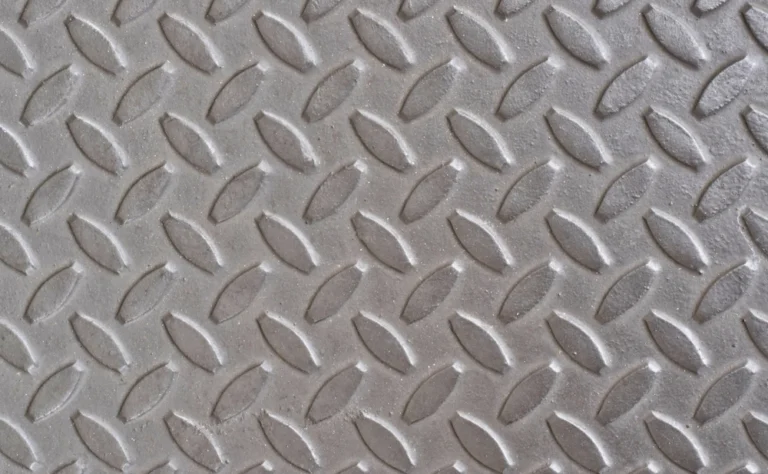
Beyond correct sizing, a dock plate’s safety depends on how it is built. The surface has to provide traction, since forklift tires and foot traffic both need grip on a plate that may be wet, and a raised, textured tread pattern is what prevents slipping. The capacity rating has to be genuine, which means the plate’s material and construction actually deliver the load it claims, because a plate that fails under an overload at the dock edge is a catastrophic event.
The curbs or side rails along the edges help keep equipment from rolling off the sides, an important safeguard at a point where a forklift operator has limited margin for error. The locking legs or positioning features that hold the plate in place stop it from shifting or sliding during use, which is essential when heavy equipment is rolling across it. And the structural integrity has to hold up to repeated heavy loading without cracking or deforming, which depends on the alloy, the plate thickness, and the quality of the material. These requirements come down to the material and construction behind the plate, which is why the source of the aluminum matters as much as the plate’s stated rating.
How Dock Plates Connect to Our Products
Dock plates are built from heavy aluminum plate and the structural extrusion that reinforces and frames them, both of which fall within what we produce. Our vertically integrated facility in Indonesia spans 20,000 square metres and controls alloy, extrusion, and finishing as one chain, delivering the structural strength and material consistency that load-bearing safety equipment demands.
The profile range covers the components a dock plate and its supporting equipment are built from:
- Flat Bars and heavy plate stock for the load-bearing surface and reinforcement of the plate
- Square Hollow and Rectangular Hollow for structural reinforcement, framing, and the understructure that stiffens the plate
- Equal Angle and Unequal Angle for the curbs, side rails, and edge reinforcement that keep equipment on the plate
- Round Bars for handles, locking legs, and positioning hardware
- Unequal Channel for edge framing and structural support
For dock equipment that needs a specific reinforcing profile or structural section, custom extrusion produces the exact geometry the design requires, in the structural alloys and tempers that load-bearing applications depend on.
Choosing a Dock Plate With Confidence
A dock plate is small equipment with a large responsibility, carrying everything that moves between the warehouse and the truck across the most accident-prone point in the operation. Getting it right means rating the capacity for the full rolling weight of the loaded equipment, sizing the width and length to the real gap and equipment, insisting on traction and edge safeguards, and sourcing from a manufacturer whose material genuinely meets its rated strength. Aluminum makes the plate light enough to handle safely while strong enough to carry the load, which is why it is the standard for portable dock plates.
We have supplied structural aluminum plate and extrusion to fabricators and manufacturers since 2009, with the strength and material consistency that load-bearing safety equipment demands.
Whether you need standard profiles or custom cross-sections designed for your specific equipment, we have the capacity and expertise to deliver.
Ready to discuss your project or request material specifications? Get in touch with our team directly:
Email: [email protected] WhatsApp: +62 811 9429 970 Website: www.exalummetal.com
When the load crosses the gap, start with material you can trust to carry it. Make Exalum Metal your standard.