
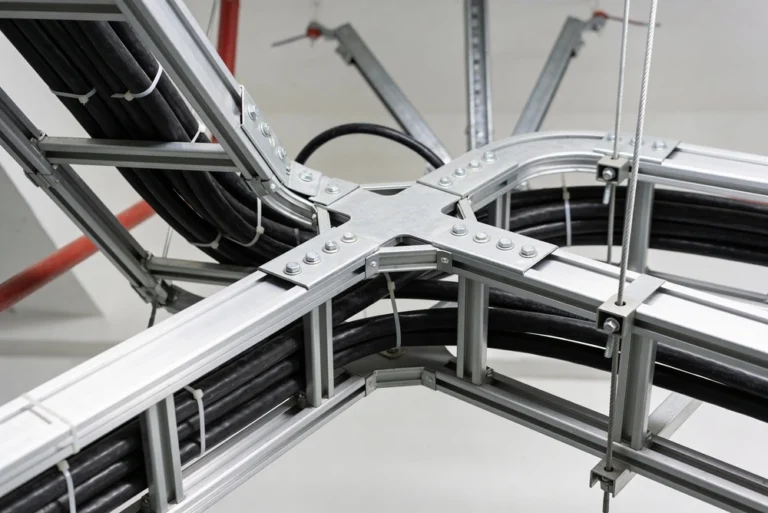
Conduit is the protective pathway that carries and shields electrical wiring, and the material it is made from shapes how easy it is to install and how well it lasts. Aluminum conduit has earned a strong place in electrical work because it weighs far less than steel, resists corrosion without coatings, and handles the runs that electrical systems demand while being genuinely easier to work with. We produce the extruded aluminum tube and profiles that conduit and electrical raceway applications draw on, and the points below cover where aluminum conduit excels, how it is sized, and what to keep in mind when installing it.
What Aluminum Conduit Is and Where It Fits
Conduit is the tubing that routes electrical conductors through a building or structure, protecting the wiring from physical damage, moisture, and interference while providing a defined path that can be inspected and rewired. It comes in several material types, including rigid steel, and aluminum has become a favored choice in the applications where its particular advantages matter.
Aluminum conduit is most at home in commercial and industrial electrical installations, in environments where corrosion is a concern, and in runs where the weight of steel conduit would slow installation and add cost. It is used for power distribution, cable protection, and raceway systems where the conduit has to shield the conductors reliably over a long service life. The reason aluminum gets chosen comes down to a handful of properties that fit electrical work especially well.
The Benefits That Make Aluminum Conduit Worth Choosing
Aluminum conduit offers a set of advantages rooted in the metal itself. The weight is the most immediately obvious. Aluminum conduit weighs roughly a third of equivalent steel conduit, which makes a real difference on a job site, where electricians handle, cut, and mount long runs of it. Lighter conduit installs faster, with less fatigue and less support hardware, which lowers labor cost across a project.
The corrosion resistance is the second major benefit. Aluminum forms its own protective oxide layer, so it resists rust in damp, humid, and chemically exposed environments where steel conduit would corrode, which makes it well suited to outdoor, marine-adjacent, and industrial settings. Aluminum is also non-magnetic, which avoids the inductive heating effects that can occur with steel conduit around certain alternating-current circuits, a genuine technical advantage in some power applications. And aluminum is highly conductive and fully recyclable, properties that fit electrical work and modern sustainability priorities. Together these make aluminum conduit a practical, durable, efficient choice for the right installations.
How Aluminum Conduit Is Sized
Conduit sizing follows established conventions built around the conductors it has to carry. Conduit is specified by a trade size that corresponds to its internal diameter, and the size is chosen so the conductors inside fill only a permitted fraction of the conduit’s interior, leaving room to pull the wires through without damage and to dissipate heat. Packing too many conductors into too small a conduit is both a code violation and a practical problem, since the wires become impossible to pull and run hotter than they should.
The right conduit size therefore follows from the number and gauge of the conductors it will carry, calculated against the fill limits that electrical codes set. Larger runs with more or thicker conductors need larger conduit. Beyond the bore, the wall thickness and the conduit type determine its mechanical protection and where it can be used, with heavier-walled rigid conduit suited to exposed and demanding locations. Selecting conduit is a matter of matching the bore to the conductor fill and the wall and type to the protection the location requires.
Installation Tips for Aluminum Conduit
Working with aluminum conduit rewards a few practical habits. Because aluminum is softer than steel, it cuts and threads more easily, but it also calls for clean, careful cuts and proper deburring so the smooth interior does not damage conductor insulation as wires are pulled through. Bending aluminum conduit is straightforward with the right tools, and its workability is part of its appeal, though bends should be made smoothly to avoid kinking the tube.
A specific point worth attention is dissimilar-metal contact. Aluminum in direct contact with certain other metals in the presence of moisture can experience galvanic corrosion, so fittings and connections should be chosen and made with that in mind, using compatible materials and appropriate measures where aluminum meets dissimilar metals. Proper support spacing matters too, since conduit runs need to be secured at intervals to stay straight and carry their own weight, though aluminum’s light weight eases this. And as with any conduit, the runs should be planned to keep the conductor fill within limits and to allow the wires to be pulled and, later, rewired. Handled with these points in mind, aluminum conduit installs cleanly and serves reliably.
How Aluminum Conduit Connects to Our Products
Conduit and electrical raceway applications draw on the extruded aluminum tube and profiles we produce, with the dimensional consistency and corrosion resistance that reliable wire protection demands. Our vertically integrated facility in Indonesia spans 20,000 square metres and manages alloy, extrusion, and finishing as one chain, which keeps tube dimensions consistent along every length and across orders.
The profile range covers tube and related electrical-protection applications:
- Tubing Pipes for round conduit and raceway tube where consistent bore and wall matter for conductor fit and protection
- Square Hollow and Rectangular Hollow for rectangular raceway, wireway, and enclosure framing
- Unequal Channel for cable tray, conduit support channel, and raceway sections
- Flat Bars for mounting plates, supports, and connection hardware
- Equal Angle and Unequal Angle for conduit supports, brackets, and structural mounting
- Heat Sinks for electrical enclosures where heat dissipation is part of the system
For conduit and raceway applications that need a specific bore, wall thickness, or profile, custom extrusion produces the exact geometry the system requires, in the alloys and finishes electrical applications call for.
Choosing Aluminum Conduit With Confidence
Aluminum conduit brings light weight, corrosion resistance, and non-magnetic behavior to electrical installations, which is why it has become a favored choice in commercial, industrial, and corrosion-prone settings. Getting it right means sizing the bore to the conductor fill, matching the wall and type to the location, handling the cutting, bending, and dissimilar-metal connections with care, and sourcing tube whose dimensions are consistent enough to protect the conductors reliably.
We have supplied extruded aluminum tube and profiles to fabricators, electrical contractors, and manufacturers since 2009, with the dimensional consistency that reliable conduit and raceway work demands.
Whether you need standard profiles or custom cross-sections designed for your specific electrical application, we have the capacity and expertise to deliver.
Ready to discuss your project or request material specifications? Get in touch with our team directly:
Email: [email protected] WhatsApp: +62 811 9429 970 Website: www.exalummetal.com
When the wiring has to be protected and the run has to be clean, start with tube you can trust. Make Exalum Metal your standard.