Aluminum arrives from the press a natural silver-grey, but it rarely stays that way. One of the metal’s quiet advantages is how readily it takes color, accepting finishes that range from deep architectural bronzes to any shade on a color chart, all while gaining surface durability in the process. The color on an aluminum profile is not paint slapped on as an afterthought. It is an engineered finish that becomes part of how the metal performs, resisting weather, scratches, and fading for decades. We finish the aluminum we produce in-house through both anodizing and powder coating, and the points below cover how aluminum takes color, the options available, and how to choose the right finish for a project.
How Aluminum Takes Color
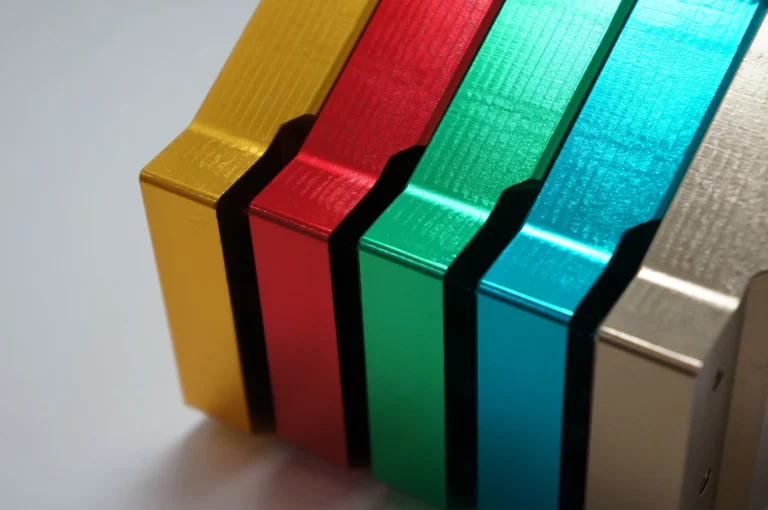
Aluminum gets its color through two main processes, and understanding the difference is the foundation of every color decision. The first is anodizing, an electrochemical process that thickens the natural oxide layer on the metal and, in the process, can introduce color into that layer. The color in an anodized finish sits within the oxide layer itself, integrated into the surface of the metal rather than coated on top, which is why anodized color is exceptionally durable and resists peeling or chipping.
The second is powder coating, where a dry polymer powder is electrostatically applied to the metal and then cured under heat into a tough, continuous colored film bonded to the surface. Powder coating sits on top of the metal as a coating, but a properly applied and cured powder coat bonds tightly and resists impact, weather, and fading. Both processes produce durable colored finishes, but they achieve color in fundamentally different ways, and that difference shapes which one suits a given project.
The Color Range of Anodizing
Anodizing offers a distinctive palette rooted in the metallic character of the aluminum beneath. The most common anodized finishes are the natural and metallic tones: clear anodize that keeps the bright silver of the aluminum, and the bronze, champagne, gold, and black shades that have defined architectural aluminum for decades. These metallic, semi-translucent colors let the texture and character of the metal show through the finish, which gives anodized aluminum its characteristic depth and quality.
Because the color is part of the oxide layer, anodized finishes are extremely color-stable and hold up to sun and weather for many years without fading, which is why anodizing is the traditional choice for architectural facades, window frames, and curtain walls meant to last. The trade-off is that anodizing’s color range, while rich, is narrower than powder coating’s, and matching exact custom colors is harder because the final shade depends partly on the alloy and the process. For projects that want a premium metallic finish with maximum durability and depth, anodizing is the established answer.
The Color Range of Powder Coating
Powder coating opens up color in a way anodizing cannot match. Because the color comes from the powder itself, powder coating is available in virtually any shade, including the full range of standard color systems used in architecture and manufacturing, which means a project can match nearly any specified color, brand palette, or design scheme. Beyond solid colors, powder coating offers textures and effects, from smooth gloss to matte, fine textures, and metallic and wood-grain effects that expand the design possibilities further.
This versatility is why powder coating has become the choice for projects that need a specific color, a bold or non-metallic shade, or a finish matched to other building elements. A powder coat also provides a thicker protective film than anodizing, giving strong impact resistance, and modern architectural powder coatings hold their color and gloss well under exposure. For projects where exact color matching, a wide palette, or a particular texture matters most, powder coating is the natural choice.
Choosing Between Anodizing and Powder Coating
The decision between the two finishes comes down to what the project values most. Anodizing suits projects that want a premium metallic appearance with the depth and character of the metal showing through, maximum long-term color stability, and the hard, scratch-resistant surface that the integrated oxide layer provides. It is the traditional architectural finish for visible aluminum meant to last decades in the natural and bronze tone family.
Powder coating suits projects that need a specific or non-metallic color, the widest possible palette, particular textures or effects, or a finish matched precisely to other elements. It provides excellent durability and a thicker protective layer, with the versatility that anodizing cannot offer on color. Many projects use both across different components, anodizing the elements where the metallic look is wanted and powder coating those where a specific color is needed, and because we run both processes in-house, a single project can draw on either or both with consistent quality.
Why the Finish Quality Depends on the Source
A color finish is only as good as the process behind it, and this is where the manufacturer matters. Anodizing quality depends on the consistency of the underlying aluminum, because the alloy chemistry and surface condition directly affect how evenly the color develops, with poor surface preparation or inconsistent alloy showing up as streaking and color variation in the finished work. Powder coating quality depends on proper surface preparation, even application, and correct curing, since a coat that is under-cured or poorly prepared fails early through peeling or fading.
When extrusion and finishing happen under separate roofs, every handoff introduces the risk of inconsistency, transit damage, and lost accountability when color does not match across a project. Our vertically integrated facility in Indonesia spans 20,000 square metres and controls the metal from alloy through extrusion to both anodizing and powder coating in one place, which is what keeps color consistent across components, across long runs, and across repeat orders, the consistency that visible architectural work depends on.
Color Across Our Product Range
Every profile we produce can be finished to suit the project, and the range that benefits from color spans most of the catalog:
- Curtain Wall, Windows Wall, Casement Windows, Doors, and Sliding Doors where the finish defines the architectural appearance
- Louvers, Diffusers, Partition, and Spandrel for visible building elements that coordinate with the facade
- Showcase, Handle, and Curtain Track for retail and interior work where color matches the design scheme
- Decorative Tubing Pipes and Tubing Pipes for railings and furniture where finish quality is on display
- Square Hollow, Rectangular Hollow, Equal Angle, Unequal Angle, and Flat Bars for structural and trim work in visible applications
For projects that need a specific anodized tone or a particular powder coat color and texture, our in-house finishing produces the exact finish the design calls for, applied consistently across every profile in the order.
Finishing a Project That Stands Out
The color on an aluminum project is both its appearance and part of its protection, and choosing the right finish is what makes a project look intentional and stay looking that way. Anodizing delivers metallic depth and maximum durability in the natural and bronze family, while powder coating opens the full color palette with textures and exact matching. The key is matching the finish to what the project values, and sourcing from a manufacturer who controls the metal and the finish together so the color is consistent and lasting.
We have supplied finished architectural and structural aluminum extrusion to fabricators, builders, and designers since 2009, with the in-house anodizing and powder coating that consistent, durable color demands.
Whether you need standard profiles or custom cross-sections designed for your specific project, we have the capacity and expertise to deliver.
Ready to discuss your project or request finish samples? Get in touch with our team directly:
Email: [email protected] WhatsApp: +62 811 9429 970 Website: www.exalummetal.com
When the color has to be right and stay right, start with finishing you can trust. Make Exalum Metal your standard.