
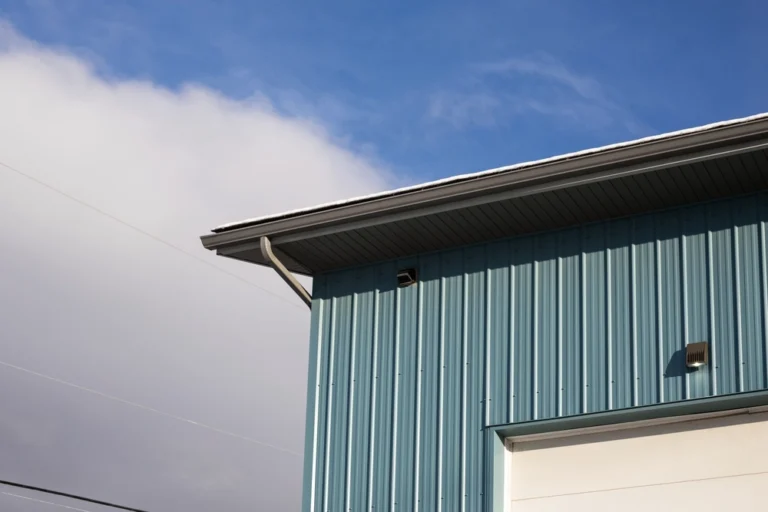
Cladding is the external skin of a building, and it does far more than make a structure look finished. It protects the structure from weather, contributes to insulation and moisture management, and defines the entire architectural character of the facade. Aluminium has become one of the leading cladding materials because it combines a light weight, genuine durability, and design flexibility that few other materials match. It also carries an important fire-safety dimension that every specifier needs to understand. We produce the aluminium framing and trim extrusion that cladding systems are built around, and the points below cover the benefits, the trends, and the facts that matter.
What Aluminium Cladding Does for a Building
Cladding is the protective and decorative layer fixed to the outside of a building’s structure. It shields the structure and the insulation behind it from rain, wind, and sun, and in a modern rainscreen design it works as part of a system that manages moisture by allowing a ventilated cavity behind the cladding to drain and dry. It contributes to the building’s thermal performance and, critically, it establishes the visual identity of the facade, since the cladding is what people actually see.
Aluminium cladding serves all of these roles across commercial, institutional, and residential buildings, from office towers and shopping centres to apartment blocks and homes. It appears as flat panels, profiled sheets, composite panels, and shaped sections, fixed to a supporting framework that holds it off the structure and manages the cavity behind. The combination of protection, performance, and appearance is why cladding is a major architectural decision, and why the material chosen for it matters so much.
The Benefits That Make Aluminium a Leading Cladding Material
Aluminium earned its place in cladding through a combination of properties suited to the facade. Its light weight reduces the load the cladding places on the building structure and makes panels easier to handle and install, which lowers both structural cost and installation cost compared with heavier materials. Its corrosion resistance, from the natural oxide layer that protects aluminium, means the cladding survives decades of weather exposure without rusting, which is fundamental for a material that spends its life fully exposed.
The design flexibility is a major draw. Aluminium can be formed into flat panels, folded shapes, profiled sheets, and complex sections, and it accepts a vast range of finishes and colours, which gives architects enormous freedom to shape the appearance of a facade. The durability and low maintenance mean a well-built aluminium facade holds its performance and appearance for decades with minimal upkeep. And aluminium is highly recyclable, which supports the sustainability goals that increasingly drive construction decisions. Together these make aluminium a practical and versatile cladding choice.
The Fire-Safety Facts You Must Know
No honest discussion of aluminium cladding can skip fire safety, because it has become the single most important consideration in cladding specification. The critical distinction lies in composite panels. Aluminium composite material, which sandwiches thin aluminium skins around a core, was widely used for cladding, but panels with a combustible polyethylene core were found to contribute to rapid fire spread, most tragically in major facade fires that prompted sweeping regulatory change.
The result is that fire performance is now a central requirement, not an afterthought. Cladding on many buildings, and especially on taller residential structures, must meet strict fire standards, which has driven a shift to non-combustible and fire-rated materials, including solid aluminium and mineral-core composite panels rather than combustible-core ones. Solid aluminium sheet and the framing behind a cladding system are non-combustible, while composite panels must be specified with a fire-rated or mineral core appropriate to the building. Any cladding decision today has to begin with the fire requirements for that building’s height and use, and specify materials that meet them. This is the most important fact in modern cladding, and it has to be addressed deliberately rather than assumed.
Current Trends in Aluminium Cladding
Aluminium cladding continues to evolve with architecture and regulation. The move to fire-safe materials is the defining trend, with non-combustible solid aluminium and fire-rated systems replacing combustible-core panels across the industry. Rainscreen design has become standard practice, using a ventilated cavity behind the cladding to manage moisture and improve performance, which has shaped how cladding systems are detailed and fixed.
In appearance, the trends run toward varied finishes and textures, with architects using aluminium’s finish flexibility to achieve everything from sleek metallic facades to wood-look and patterned surfaces. Mixed-material facades that combine aluminium cladding with glazing, stone, and other elements are common in contemporary design. And the emphasis on sustainability has reinforced aluminium’s appeal through its recyclability and long service life. Across all of these trends, the cladding still depends on a framing and fixing system to hold it, which is where extruded aluminium profiles do their work.
The Framing Behind Every Cladding System
Cladding panels do not attach to a building on their own. They require a supporting system of extruded aluminium profiles, the sub-framing, the carrier rails, the panel-fixing profiles, and the trim, that holds the cladding off the structure, manages the cavity, joins the panels, and finishes the edges and openings. This framing is precisely what we produce, and it is as essential to a cladding system as the panels themselves.
Our vertically integrated facility in Indonesia spans 20,000 square metres and produces the profile range that cladding systems are built around:
- Equal Angle and Unequal Angle for sub-framing, carrier brackets, and the connections that fix cladding to the structure
- Unequal Channel for panel edge capture, trim, and termination at openings
- Square Hollow and Rectangular Hollow for the sub-frame and structural support behind the cladding
- Flat Bars for backing, splices, and fixing plates
- Curtain Wall and Spandrel profiles for the glazed and infill sections that cladding facades combine with
- Louvers and Diffusers for the ventilation elements integrated into facades
For cladding systems that need a specific framing, carrier, or trim profile, custom extrusion produces the exact geometry the system requires, finished to complement the cladding it supports.
Specifying Aluminium Cladding the Right Way
Aluminium cladding gives a building a durable, lightweight, design-flexible skin that protects the structure and defines its appearance for decades. The decisions that matter most begin with fire safety, specifying non-combustible or properly fire-rated materials for the building’s height and use, then extend to choosing finishes and a rainscreen detail that suit the design, and pairing the cladding with a properly engineered aluminium framing and fixing system. Getting all of this right is what produces a facade that performs, complies, and endures.
We have supplied architectural aluminium extrusion to fabricators, cladding contractors, and facade specialists since 2009, with the dimensional precision and finishing quality that visible facade work demands.
Whether you need standard profiles or custom cross-sections designed for your specific cladding system, we have the capacity and expertise to deliver.
Ready to discuss your project or request material specifications? Get in touch with our team directly:
Email: [email protected] WhatsApp: +62 811 9429 970 Website: www.exalummetal.com
When the facade has to protect, comply, and endure, start with the framing extrusion you can trust. Make Exalum Metal your standard.