
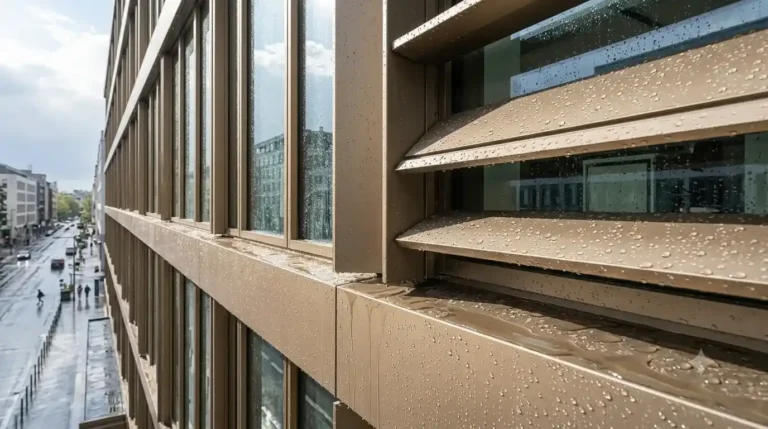
Although aluminum naturally resists corrosion, its performance depends heavily on the environment. In coastal regions, industrial zones, and areas with high humidity, untreated aluminum may deteriorate much faster than many people expect.
This is why anodizing has become one of the most widely used finishing methods for architectural and industrial aluminum. Rather than applying a protective coating on top of the surface, anodizing transforms the aluminum itself into a thicker, more durable oxide layer that significantly improves corrosion resistance and long-term performance.
Understanding how this process works can help architects, contractors, manufacturers, and project owners choose the right finish for demanding applications.
Why Does Aluminum Need Additional Protection?
One of aluminum’s greatest advantages is its ability to form a thin oxide layer naturally when exposed to air. This invisible layer protects the underlying metal from further oxidation, which is why aluminum does not rust like steel.
However, this natural oxide layer is extremely thin, typically measuring only 2 to 3 nanometers. While sufficient for many indoor environments, it may not provide enough protection against:
- High humidity
- Frequent rainfall
- Coastal or marine environments
- Industrial pollution
- Heavy wear and abrasion
Once the natural oxide layer is scratched or repeatedly exposed to aggressive contaminants, it must reform continuously. Over many years, this repeated exposure can affect both appearance and surface durability, especially in harsh environments.
How Does the Anodizing Process Work?
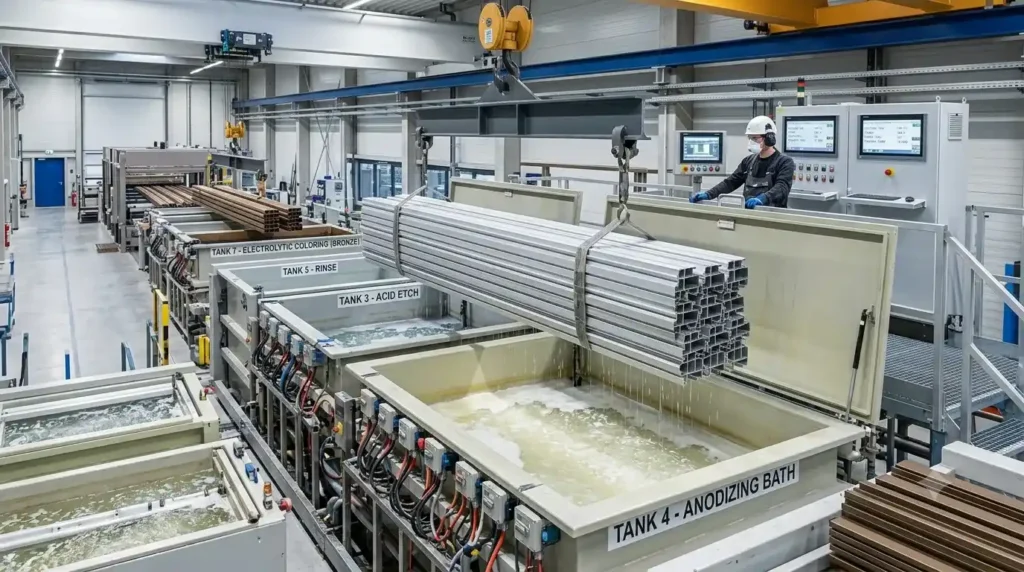
Anodizing is an electrochemical process that intentionally thickens aluminum’s natural oxide layer.
During the process, aluminum is immersed in an electrolyte solution while an electrical current passes through the metal. This causes the surface to develop a hard, porous oxide layer that becomes part of the aluminum itself rather than sitting on top like paint.
The pores are then sealed using hot water or specialized sealing solutions. This final step closes the microscopic pores, locks in color if dyes are used, and creates a dense barrier against moisture and contaminants. This process is also commonly applied to aluminum Heatsink products, where durability, electrical insulation, and long-term performance are important.
Because the protective layer is integrated into the metal, it will not peel or flake over time.
Why Does Anodizing Improve Corrosion Resistance?
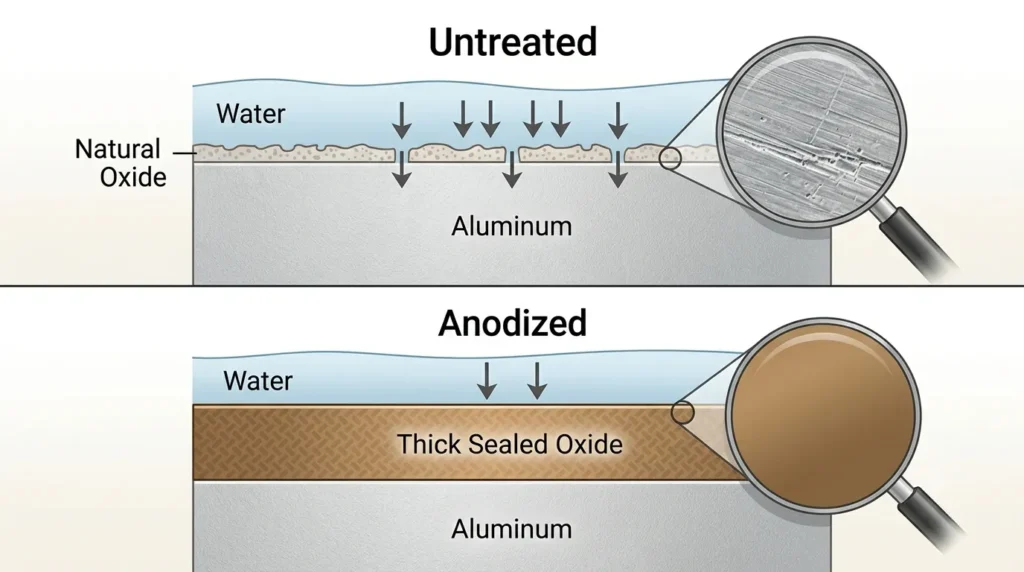
The superior performance of anodized aluminum comes from several protective characteristics.
- A Thicker Protective Layer
Natural oxidation creates only a very thin protective film. Anodizing increases this layer to approximately 5–150 micrometers, providing a much stronger barrier against environmental exposure.
- Better Protection Against Moisture
The sealed anodized layer makes it much more difficult for water, oxygen, salts, and pollutants to reach the underlying aluminum. This significantly slows the corrosion process, particularly in outdoor environments.
- Improved Wear Resistance
Anodized surfaces are considerably harder than untreated aluminum, making them more resistant to scratches and abrasion that could expose fresh metal to corrosion.
- Excellent UV Stability
Unlike many painted surfaces, anodized finishes maintain their appearance under prolonged sunlight. They resist chalking, peeling, and fading, making them suitable for long-term exterior applications.
Natural Oxide Layer vs. Anodized Layer
The difference between untreated and anodized aluminum becomes clear when comparing their protective performance.
| Factor | Natural Oxide Layer | Anodized Layer |
| Thickness | 2–3 nm | 5–150 μm |
| Corrosion Resistance | Basic | Excellent |
| UV Resistance | Limited | Excellent |
| Wear Resistance | Low | High |
Although untreated aluminum already provides some protection, anodizing creates a much stronger barrier for challenging environments.
Where Is Anodized Aluminum Commonly Used?
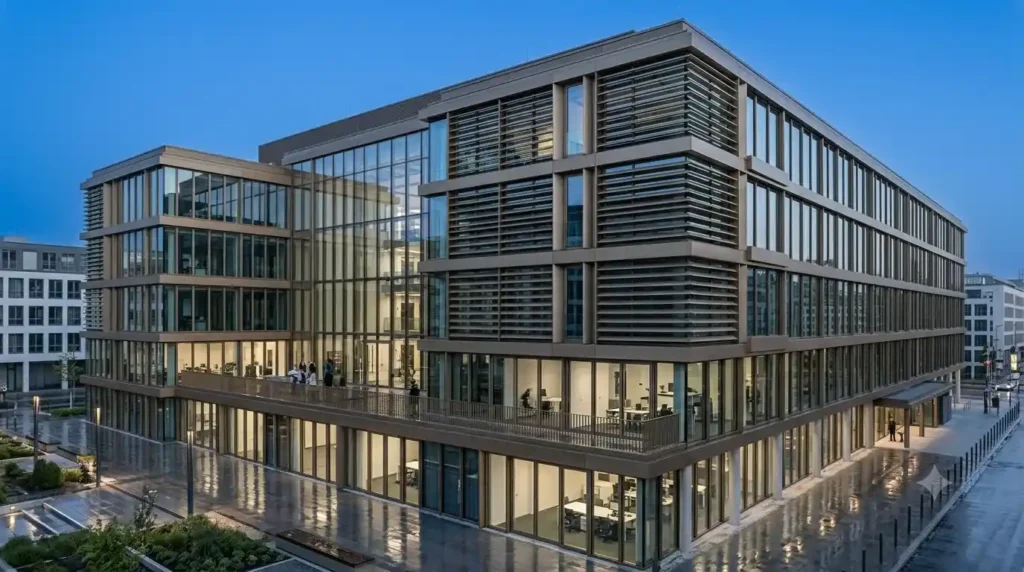
Because of its excellent corrosion resistance and durability, anodized aluminum is widely used in applications exposed to weather and frequent use.
Common applications include:
- Curtain Wall systems for commercial buildings
- Window and door systems
- Sliding Doors exposed to outdoor weather
- Balcony railings
- Louvers for ventilation and sun shading
- Outdoor signage
- Marine and coastal installations
- Public infrastructure
These applications benefit from a finish that maintains both its appearance and performance for many years with minimal maintenance.
Is Anodizing Better Than Paint?
Both anodizing and paint help protect aluminum, but they work differently.
Paint forms a protective film on the surface that may chip, crack, or peel if damaged. Anodizing, however, converts the aluminum surface itself into a protective oxide layer. Because this layer is integrated with the base metal, it cannot peel or flake like conventional coatings.
If a project requires a broad range of colors, powder coating may be another suitable option. However, for applications that require a durable metallic finish with exceptional corrosion resistance, anodizing remains one of the most reliable solutions.
Choosing the Right Finish for Your Project
The best aluminum finish depends on where the material will be used and the level of protection it requires.
Mill finish may be suitable for indoor or concealed applications, including certain industrial equipment such as Conveyor systems that will later be painted or powder coated. For architectural products exposed to weather, anodizing provides significantly better long-term protection and appearance.
At Exalum Metal, we provide anodizing and other aluminum finishing solutions for architectural and industrial applications. Whether you’re working on windows, doors, curtain walls, or custom aluminum profiles, our team can help you choose the finish that best matches your project’s performance and design requirements. Get in touch with our team directly:
Email: [email protected] WhatsApp: +62 811 9429 970 Website: www.exalummetal.com