
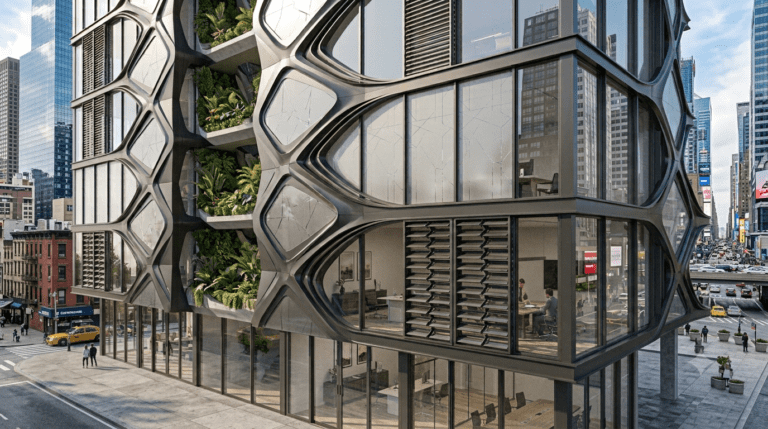
Modern buildings look very different from those built a few decades ago. Large glass panels, slim metal frames, and clean geometric lines have become defining features of contemporary architecture. Behind many of these designs is a manufacturing process that most people rarely think about: aluminum extrusion.
Although it may sound highly technical, aluminum extrusion is simply a way of shaping aluminum into precise profiles that can be used in everything from window frames to large building facades. Its versatility has made it one of the most important materials in modern construction.
This article explains what aluminum extrusion is, why it has become the backbone of modern facades, and how it supports both architectural creativity and long-term building performance.
What Is Aluminum Extrusion?
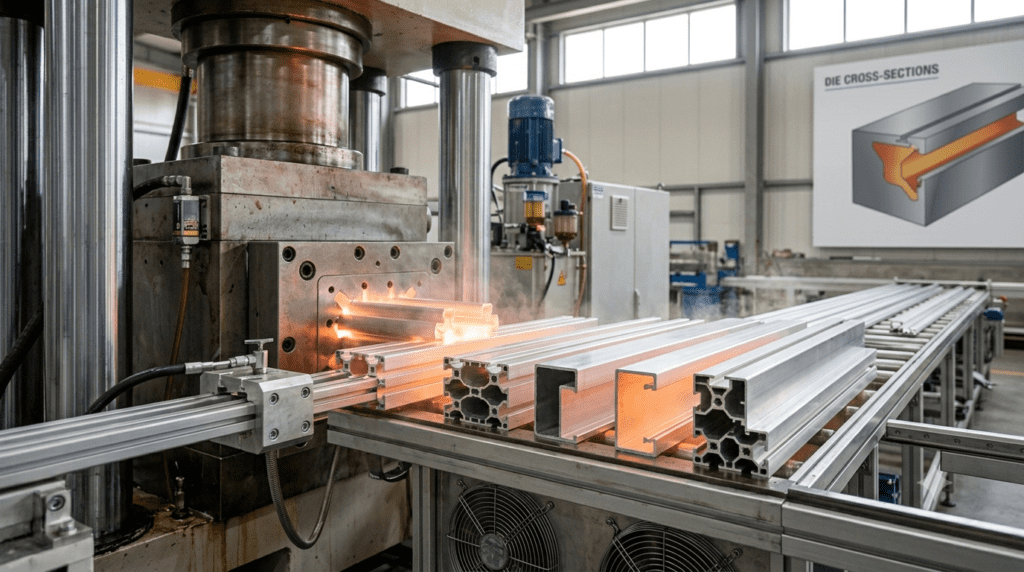
Aluminum extrusion is a manufacturing process in which heated aluminum is pushed through a specially designed die to create a specific cross-sectional shape. You can think of it as squeezing toothpaste through a nozzle, except the result is a strong aluminum profile instead of paste.
Because the die determines the final shape, manufacturers can produce profiles that match the exact requirements of a building project. Some are designed to support glass panels, while others create structural frames, decorative elements, or connection systems.
This flexibility explains why aluminum extrusion is used in a wide variety of architectural products, including Curtain Wall systems, Sliding Windows, and Door Jamb profiles.
Why Modern Facades Depend on Aluminum Extrusion
A building facade is much more than its exterior appearance. It protects the structure from weather, supports glazing systems, and contributes to energy efficiency and occupant comfort.
To perform these functions, facade components must be lightweight, durable, and manufactured with high precision. Aluminum extrusion meets all of these requirements.
Unlike many other materials, extruded aluminum profiles can combine structural strength with slim, elegant designs. This allows architects to maximize glass areas without making the building feel bulky or heavy.
As modern architecture increasingly favors open views and natural daylight, aluminum extrusion has become the foundation for many contemporary facade systems.
What Makes Aluminum Extrusion Ideal for Facades?
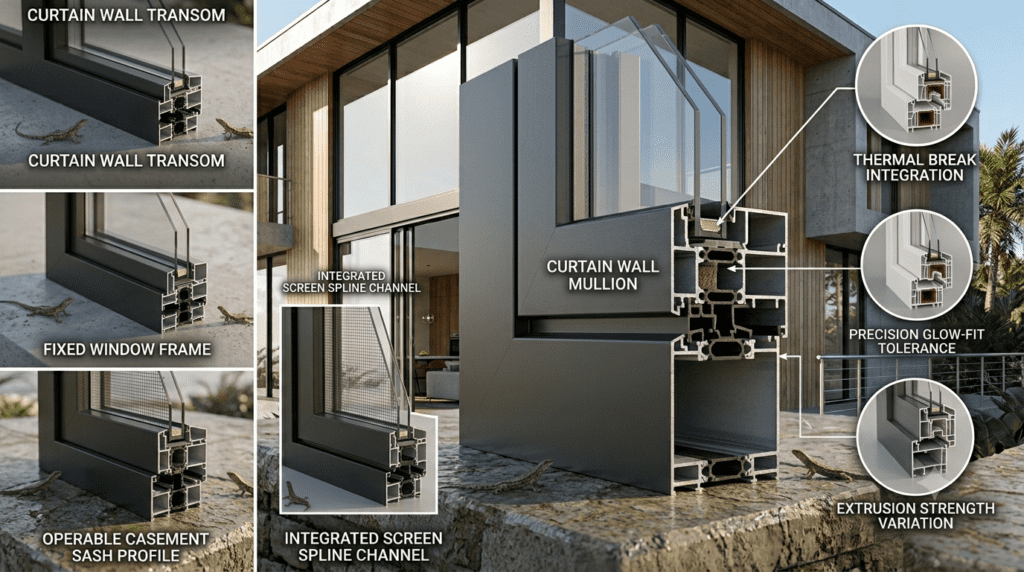
Several characteristics make extruded aluminum especially suitable for architectural applications.
High Strength Without Excess Weight
One of aluminum’s biggest advantages is its excellent strength-to-weight ratio.
Compared with heavier materials such as steel, aluminum provides substantial structural strength while remaining much lighter. This reduces transportation, handling, and installation challenges, particularly in high-rise projects.
The lighter weight also places less load on the building structure without compromising performance.
Precision That Supports Modern Design
Facade systems consist of many interconnected components that must fit together accurately.
Because aluminum extrusion produces highly consistent profiles, manufacturers can create complex systems with tight tolerances. This precision is especially important for applications such as Spandrel panels and large glazed facade systems, where alignment directly affects both appearance and performance.
Excellent Weather Resistance
Building exteriors are constantly exposed to sunlight, rain, humidity, and changing temperatures.
Aluminum naturally forms a protective oxide layer that helps resist corrosion. When combined with finishing methods such as anodizing or powder coating, extruded aluminum profiles can maintain their appearance for many years while requiring relatively little maintenance.
Aluminum Extrusion Supports More Than Appearance
Although facades are often judged by how they look, appearance is only one part of their job.
A well-designed facade also helps improve building performance by supporting daylight, ventilation, and long-term durability.
Extruded aluminum profiles can be engineered to accommodate drainage channels, thermal breaks, glazing systems, and other functional features within a single profile. This allows architects and engineers to combine aesthetics with practical performance instead of treating them as separate considerations.
Common Applications of Aluminum Extrusion in Buildings
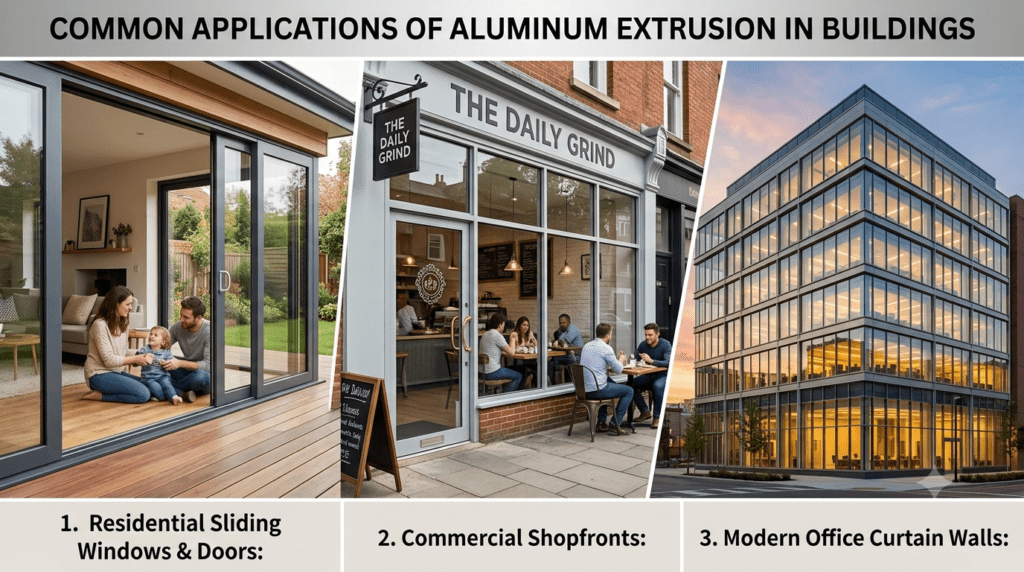
Because extrusion allows aluminum to be shaped into countless profiles, it is used throughout modern buildings rather than only on the exterior.
Some of the most common applications include:
- Curtain Wall systems for commercial buildings
- Sliding Windows and Casement Windows for residential and office projects
- Shop Front systems for retail developments
- Interior Partition systems
- Decorative architectural profiles and framing components
Many people interact with extruded aluminum every day without realizing it, whether they are entering an office building, shopping mall, or apartment complex.
Why Aluminum Is Preferred Over Many Other Facade Materials
Every facade material has its own strengths, but aluminum offers a combination of properties that is difficult to match.
| Feature | Aluminum Extrusion | Steel | Timber |
| Weight | Lightweight | Heavy | Moderate |
| Corrosion Resistance | Excellent | Requires protection | May deteriorate over time |
| Design Flexibility | Excellent | Moderate | Moderate |
| Maintenance | Low | Moderate | High |
| Suitable for Large Glazing | Excellent | Excellent | Limited |
Steel remains valuable where exceptionally high structural strength is required, while timber continues to appeal to projects that prioritize natural aesthetics.
However, for modern facade systems that combine large glass panels, slim framing, durability, and design flexibility, aluminum extrusion often provides the most balanced solution.
Why Aluminum Extrusion Continues to Shape Modern Architecture
As buildings become taller, more energy efficient, and increasingly design-focused, facade systems must perform more functions than ever before.
Architects are looking for materials that support creative designs without sacrificing durability or constructability. Contractors need components that are consistent and easy to install. Building owners want solutions that maintain their appearance while minimizing long-term maintenance costs.
Aluminum extrusion addresses all of these needs, which is why it continues to play a central role in contemporary architecture around the world.
Building Better Facades with Aluminum Extrusion
Choosing the right facade system starts with choosing the right materials and profiles.
At Exalum Metal, we provide aluminum extrusion and finishing solutions for architectural applications, including facade systems, windows, doors, and custom aluminum profiles. Whether you’re developing a residential project or a large commercial building, our team can help you select extrusion solutions that combine structural performance, durability, and modern design. Get in touch with our team directly:
Email: [email protected] WhatsApp: +62 811 9429 970 Website: www.exalummetal.com