
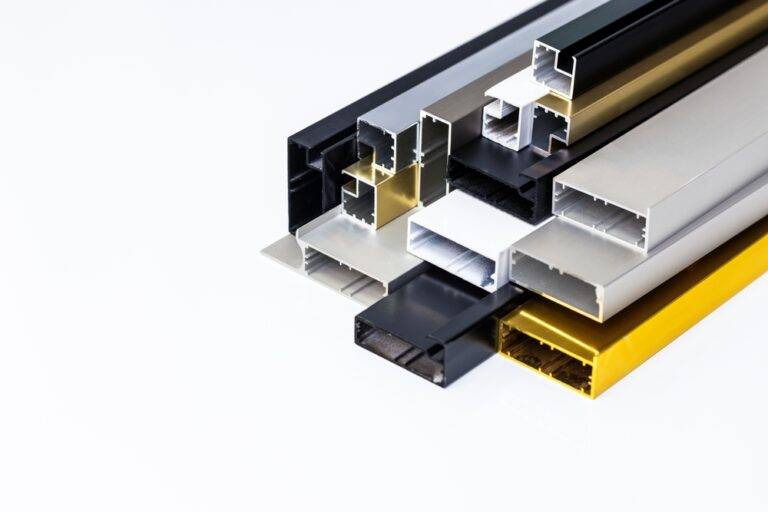
Clear anodized aluminum is one of those finishes that looks deceptively simple. The aluminum keeps its natural silver-gray appearance, the surface is protected from corrosion, and the part looks clean and architectural without needing paint. Most procurement teams check the “clear anodized” box on the spec sheet and assume they’re done.
The problem is that “clear anodized” can mean five very different finishes depending on the process used, the thickness specified, and the quality of the underlying aluminum. The difference between a clear anodized window frame that holds up for 30 years and one that dulls within five comes down to spec details most buyers never write down.
For fabricators, architects, and procurement teams working with anodized aluminum, this article walks through what clear anodizing actually is, what to specify, and why the manufacturer behind the finish matters as much as the finish itself.
What Clear Anodizing Actually Does to Aluminum
Anodizing is an electrochemical process that thickens the natural oxide layer on aluminum from a few nanometers up to between 5 and 25 microns, depending on the spec. The aluminum part is submerged in a sulfuric acid bath and an electrical current is passed through it, which causes the surface to oxidize in a controlled, uniform way.
The result is a hard, glass-clear oxide layer that becomes part of the metal itself rather than a coating sitting on top. Three things happen at the same time:
The surface becomes harder. Anodized aluminum surfaces are second only to diamond in hardness. They resist scratches, abrasion, and impact damage far better than bare aluminum or painted finishes.
Corrosion resistance increases dramatically. The thicker oxide layer protects the underlying metal from moisture, salt, pollution, and chemical exposure that would gradually corrode bare aluminum.
The aluminum keeps its natural appearance. Because the oxide layer is transparent, the finished surface still looks like silver-gray aluminum, just brighter and more uniform than the raw mill finish.
This combination is what makes clear anodizing the default finish for architectural extrusions worldwide.
The Five Common Anodizing Spec Standards
Here’s where most buyers stop reading and where most problems start. “Clear anodized” without a thickness spec is not a complete specification. The major standards used in industry:
Class II architectural anodize is a 10 to 18 micron coating, the standard for interior architectural work and most commercial applications. Good corrosion resistance, durable for indoor and protected outdoor use.
Class I architectural anodize is an 18 micron or thicker coating, specified for exterior architectural work where the finish needs to survive direct weather exposure for decades. The standard for curtain walls, exterior window systems, and outdoor structural aluminum.
Decorative anodize is a thinner coating, typically 5 to 8 microns, used for interior decorative work where appearance matters but corrosion exposure is minimal
Hard anodize produces a much thicker coating (25 to 50 microns or more) for engineering applications where extreme wear resistance is required. Industrial machinery, pistons, and aerospace parts use hard anodize.
Bright anodize is a process variant that uses chemical or electrochemical brightening before anodizing to produce a mirror-like finish. Used for decorative work and reflective applications.
For most architectural and fabrication work, the choice comes down to Class I or Class II. Specifying generic “clear anodized” without the class designation is what produces finishes that look fine on day one and disappoint over time.
Why the Aluminum Underneath Matters as Much as the Anodize
Anodizing is a finish, not a fix. The quality of the underlying aluminum directly determines how the anodized finish looks and lasts.
Alloy chemistry matters. 6063 anodizes beautifully because of its clean grain structure and low iron content. 6061 anodizes acceptably but with slightly more visible surface variation due to higher silicon. Casting alloys and high-silicon extrusion alloys produce inconsistent or yellowish anodized finishes.
Surface preparation matters. Mill marks, die lines, handling scratches, and pickup defects all become more visible after anodizing, not less. The process amplifies surface inconsistencies rather than hiding them.
Grain consistency matters. Inconsistent grain structure from poor extrusion control produces streaking, color variation, and uneven finish appearance across the same part or across batches.
This is why architectural specifications increasingly call for both the alloy and the finish together. “Clear anodized 6063-T5” produces consistent, beautiful results. “Clear anodized aluminum” without alloy specification can produce anything from excellent to disappointing depending on what the supplier delivers.
How to Actually Specify Clear Anodized Finish
A complete clear anodized specification includes five elements:
Standard or class (Class I, Class II, or specific standard like AAMA 611 or AA-M12C22A41)
Coating thickness (in microns or mil, with minimum acceptable values)
Alloy and temper (6063-T5 is standard for architectural extrusion)
Surface finish before anodizing (mill finish acceptable, polished, brushed, or etched)
Sealing method (hot water seal, nickel acetate seal, or cold seal, each with different durability and color stability characteristics)
A specification with these five elements gives the manufacturer everything they need to produce consistent, predictable finish quality. A spec that just says “clear anodized” leaves room for interpretation that usually ends up costing the buyer.
Where Clear Anodized Aluminum Shows Up
Clear anodized aluminum is the default finish across most architectural and commercial fabrication categories:
- Window and door frames in residential, commercial, and high-rise applications
- Curtain wall systems on commercial and institutional buildings
- Storefront and shop front profiles in retail and hospitality
- Interior partition systems and modular office construction
- Handrails, balustrades, and stair systems in commercial buildings
- Furniture frames and structural members in contract and hospitality furniture
- Display cases, showcases, and retail fixtures
- Cabinet hardware and architectural accents
- Industrial machine guarding and equipment housings where appearance matters
- LED light housings and electrical enclosures
In all of these applications, the clear anodized finish delivers a clean, modern aluminum appearance with the durability to last decades without maintenance.
Common Clear Anodizing Problems and What Causes Them
Three issues account for most clear anodizing failures:
Color variation between batches. Usually caused by inconsistent alloy chemistry, varying surface preparation, or different sealing methods across runs. Specifying alloy, temper, and sealing method along with the anodize spec prevents this.
Streaking and die lines. Caused by extrusion defects that the anodizing process makes more visible. Working with a manufacturer who controls extrusion quality and surface finish from the press onward prevents most of these issues.
Premature dulling or chalking. Usually caused by undersized coating thickness for the exposure environment. Class I (18 micron+) coatings are required for direct outdoor exposure. Specifying Class II for exterior work guarantees disappointment.
The pattern across all three is that finish problems usually trace back to spec problems or supplier problems, not the anodizing process itself.
Why Vertical Integration Matters for Clear Anodized Finish
Most aluminum extrusion supply chains separate extrusion and anodizing across multiple suppliers. The billet comes from one source, the extrusion happens at another, and the anodizing is outsourced to a third. Every handoff introduces variation, transit damage, and lost accountability when problems show up.
A vertically integrated manufacturer handles the entire process under one roof, from billet preparation through extrusion, surface preparation, anodizing, and quality control. This is the model that produces consistent finish quality across long production runs and across different product categories on the same project.
At Exalum, our 20,000 m² vertically integrated facility in Indonesia includes in-house anodizing capability that supports the full range of architectural and decorative profiles we produce. The vertical control over alloy chemistry, extrusion surface, and anodizing process is what allows us to deliver clear anodized finish that matches across components and holds up for decades.
Exalum Products Available in Clear Anodized Finish
Our standard product range includes profiles regularly supplied in clear anodized finish:
- Curtain Wall and Windows Wall for commercial facade systems
- Casement Windows and Sliding Doors for fenestration work
- Doors and Door Jamb for architectural openings
- Shop Front profiles for retail and hospitality fronts
- Spandrel for facade infill panels
- Partition profiles for interior partition systems
- Showcase for retail display fixtures
- Handrails and Ladders components for architectural and industrial use
- Decorative Tubing Pipes and Tubing Pipes for railings, furniture, and architectural details
- Square Hollow, Rectangular Hollow, and standard structural profiles for visible architectural framing
- Equal Angle, Unequal Angle, and Unequal Channel for edge trim and visible structural connections
- Flat Bars and Round Bars for visible accent components
- Handle profiles for cabinetry and architectural hardware
- Louvers, Diffusers, and Curtain Track for ventilation and interior installations
- Heat Sinks for visible electronic and industrial applications
Custom anodizing thickness, sealing method, and finish appearance can be specified to match project requirements. For projects requiring color anodizing in bronze, black, or custom shades, the same in-house process supports those variants alongside clear anodize.
Sourcing Clear Anodized Aluminum With Confidence
The right clear anodized aluminum specification combined with the right manufacturer produces a finish that does exactly what anodizing is supposed to do: protect the metal, preserve the natural aluminum appearance, and look the same in year 20 as it did in year 1. The wrong combination produces a finish that disappoints buyers and architects alike, with no clear way to fix it after installation.
Exalum Metal has supplied clear anodized aluminum extrusion to architects, fabricators, and OEMs since 2009, with vertical integration that keeps alloy chemistry, extrusion quality, and anodizing process consistent across every shipment. When the spec calls for Class I clear anodized 6063-T5, that’s exactly what arrives at your shop.
Whether you need standard profiles or custom cross-sections designed for your specific project requirements, Exalum Metal has the capacity and expertise to deliver.
Ready to discuss your project or request finish samples? Get in touch with the Exalum Metal team directly:
Email: [email protected] WhatsApp: +62 811 9429 970 Website: www.exalummetal.com
Your next architectural project deserves a finish you can count on. Make clear anodized aluminum from Exalum Metal your standard.